

Milwaukee-area property damage often starts with weather, but disruption usually comes from what follows. Heavy rain can push water into basement-heavy homes. Sewer backups can contaminate stored belongings. Thunderstorms can break windows, damage roofs, scatter debris, and expose rooms to rain. Winter colds can turn a hidden pipe into a soaked ceiling.
For homeowners, renters, facility managers, and property managers, repairs create a second problem: how do you keep life or operations moving while rooms are wet, smoky, contaminated, or full of damaged contents? Pack-out helps answer that question. It removes salvageable belongings from the work zone and makes room for cleanup, drying, demolition, odor control, and reconstruction.
Water-damaged areas and items should be dried within 24 to 48 hours to help prevent mold growth. Wisconsin averages 30 to 40 thunderstorm days per year, which makes storm-season planning practical.
Why Contents Pack-Out Matters When Repairs Disrupt the Property
A pack-out separates belongings from the damage zone so repair work can move in the right order.
Repairs need clear access
Drying, debris removal, wall opening, flooring removal, smoke cleanup, and structural repair all require space. When furniture, boxes, clothing, inventory, records, and equipment remain in the affected area, work slows down. It also becomes harder to see where water or soot traveled.
People need usable rooms
A house or building can feel frozen during major repairs. You may lose access to storage, bedrooms, offices, or customer-facing areas. A pack-out creates order by deciding what stays accessible, what moves to a clean area, and what leaves for cleaning or storage.
What a Contents Pack-Out Actually Does
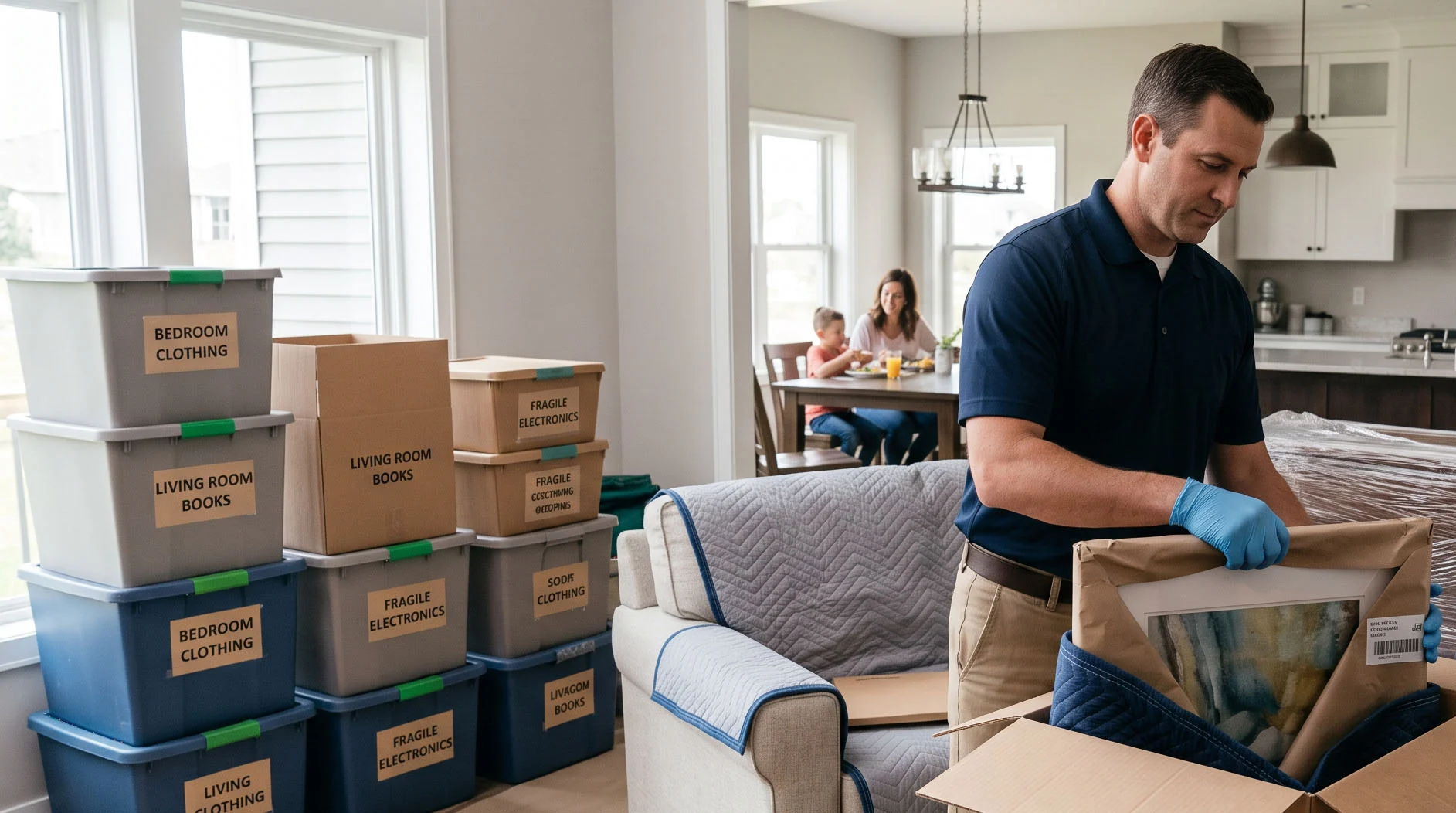
A contents pack-out is structured protection for salvageable items while the building is restored.
Inventory creates accountability
Items may be photographed, listed, labeled by room, and separated by condition. This helps you understand what moved, what needs cleaning, and what needs careful handling.
For water losses, use item condition, water source, and exposure time to guide decisions. What to toss vs save after water damage can help before you make emotional choices about porous items, electronics, documents, or furniture.
Cleaning and storage protect salvageable items
During fire-related repairs, Fire Damage Restoration Services include contents pack out and cleaning. Salvageable belongings may be carefully packed, transported to a secure facility, inventoried with photos, cleaned, stored, and returned after reconstruction.
Smoke odor, soot, water from suppression, and exposed building materials can keep affecting contents after the fire is out.
Pack-out clears the way for drying
When water affects floors, walls, ceilings, lower levels, or commercial interiors, contents may block extraction and drying. Water Extraction and Drying Services focus on standing water removal, structural dehumidification, moisture monitoring, and related cleaning steps when relevant.
The same 24 to 48 hour drying window is one reason pack-out decisions should happen early when porous belongings sit in a wet basement or damp work area.
Safety Priorities Before Moving Belongings
Pack-out decisions should begin with safety, not speed.
Identify the source of the damage
Clean water from a supply line is different from sewer backup, stormwater, or drain waste. If the water may be contaminated, avoid unnecessary contact. Do not carry soaked porous items through clean living areas unless a qualified professional says it is appropriate.
Watch for electrical, structural, and smoke risks
Do not enter wet areas near outlets, appliances, or service panels. Stay out of rooms with sagging ceilings, buckled flooring, active leaks, broken glass, or visible structural movement. After fire or lightning damage, avoid soot-covered materials or areas with lingering smoke, odor, or damaged wiring until the space is evaluated.
Separate essentials from affected contents
Your first pack-out category should be items needed for basic function: medications, identification, chargers, work devices, school materials, keys, pet supplies, and clean clothing. Keep these away from damaged zones. Then focus on affected contents by room and condition.
When a Pack-Out Becomes the Practical Next Step
A pack-out makes sense when belongings interfere with safe cleanup, drying, odor control, or repair access.
Common situations that point to pack-out
Consider pack-out when basement flooding reaches stored contents, when a frozen pipe soaks finished rooms, when storm damage opens the building to rain, or when smoke odor affects furniture, textiles, documents, or business materials. It may also help after hail, wind, fallen tree damage, board-up work, or debris intrusion.
The first 48 hours of water removal matter because visible puddles are only part of the problem. If belongings cover wet flooring, block walls, or hide damp storage areas, they can delay drying decisions.
When to ask for pack-out help
If contents are blocking drying, soaked by stormwater, exposed to smoke, or located in a space that needs demolition or reconstruction, call (414) 571-9977 to ask about a contents pack-out plan that protects salvageable belongings, clears work areas, and helps keep essential rooms or business functions organized during repairs.
How Pack-Out Keeps Families and Workplaces Functional
The value of pack-out is continuity during disruption.
It protects routines
You may still need to cook, work, study, care for pets, or support older relatives while part of the property is unusable. A pack-out can reduce clutter, isolate affected items, and help you decide whether staying is realistic. The guide on whether to stay or leave during water damage restoration is useful when access, utilities, contamination, or room loss affects daily function.
It supports commercial decisions
In mixed-use buildings and commercial properties, pack-out can involve desks, files, stock, equipment, tenant items, or common-area contents. Organized moving can help managers separate urgent access issues from longer repair decisions.
Wisconsin’s 30 to 40 thunderstorm days per year also make preparedness valuable for storm-prone properties. A contents priority list can help you know what should be moved first after wind, hail, roof exposure, or water intrusion.
What to Do Before, During, and After Pack-Out
A simple plan helps you stay organized while the structure is cleaned and repaired.
Before pack-out
Photograph rooms before items move, when it is safe. Make a quick essentials list. Avoid throwing away valuable or disputed items until they are documented, unless they create an immediate safety or contamination concern.
During pack-out
Ask for room-by-room labeling, clear separation of affected and unaffected contents, and notes about items needing cleaning, drying, odor removal, or disposal decisions.
After pack-out
Use the cleared space to focus on the structure. Confirm that water removal, drying, cleaning, demolition, and repair decisions happen in the right order. Do not rush cosmetic repairs over damp materials. Seasonal water damage repair tips can also help you plan around heavy rain, storm openings, frozen pipes, and repeated dampness.
A Calmer Way to Get Through Major Repairs
Contents pack-out helps turn a chaotic property loss into a more organized recovery.
Pack-out does not remove the stress of a flood, fire, sewer backup, storm opening, or burst pipe. It does help protect function. It gives families, renters, owners, and managers a way to preserve essentials, clear the work area, and make safer decisions while the structure is being repaired.
Frequently Asked Questions
1. What is contents pack-out during major repairs?
Contents pack-out is the organized removal of salvageable belongings from damaged or repair-heavy areas. Items may be documented, packed, moved, cleaned when appropriate, stored, and returned after reconstruction. It helps keep repair zones clearer and reduces confusion during restoration.
2. When should you consider pack-out after basement flooding?
Consider it when stored contents sit in standing water, when water reaches walls or flooring, or when belongings block drying work. Basement-heavy homes can hide moisture behind boxes, furniture, and finished materials. Moving contents helps expose the affected area for safer cleanup decisions.
3. Does sewer backup change what can be packed out?
Yes. Sewer or drain backup can introduce contamination concerns that affect handling, cleaning, and disposal choices. Do not move soaked porous items through clean areas without guidance. Treat contaminated contents differently from items exposed to a clean supply-line leak.
4. Can pack-out help after frozen pipe water damage?
Yes. A burst or thawed pipe can soak ceilings, walls, floors, cabinets, and stored belongings. Pack-out can clear the area so water extraction, drying, and repair decisions can happen in the right order. It also helps separate essential items from affected contents.
5. How does pack-out help after fire or smoke damage?
Fire-related pack-out can protect salvageable belongings from soot, odor, moisture, and dust during repair work. Items may need cleaning or storage while reconstruction happens. This is especially useful when smoke odor affects textiles, furniture, documents, or room contents.
6. What should you move first during a contents pack-out?
Start with essentials needed for daily life, such as identification, medication, clean clothing, chargers, keys, school materials, pet supplies, and work devices. Keep these away from damaged areas. Then sort affected items by room, condition, and exposure type.
7. Can pack-out help if you stay in the property during repairs?
Yes, when the property remains safe enough to occupy. Pack-out can reduce clutter, isolate affected contents, and keep usable rooms more functional. Staying still depends on water source, utilities, structural condition, contamination, and access through the property.
8. How can pack-out help commercial or mixed-use properties?
Pack-out can help protect records, equipment, stock, tenant belongings, and common-area contents. It can also clear access for drying, debris removal, odor control, or repair work. Organized contents handling supports better decisions when tenants, staff, or customers are affected.
9. Should you throw away damaged items before pack-out?
Do not rush to discard valuable or disputed items unless they create an immediate contamination or safety concern. Photograph items first when it is safe. Disposal decisions should consider water source, exposure time, material type, odor, visible damage, and whether cleaning is practical.
10. Can pack-out reduce mold risk after a leak or flood?
Pack-out alone does not prevent mold, but it can support faster drying by clearing affected areas. Wet contents can trap moisture against floors, walls, and shelving. Since water-damaged items should dry quickly, early sorting and removal can help limit hidden dampness.
11. What if storm damage leaves openings in the structure?
Broken windows, roof damage, hail impacts, fallen trees, and debris intrusion can expose interiors to rain. Contents near the opening may need to be moved before drying or repairs. Temporary protection, cleanup, drying, and contents decisions should be coordinated in a safe sequence.
12. What should property managers document during pack-out?
Document affected rooms, item locations, visible damage, access concerns, and tenant or operational impacts. Keep photos, dates, notes, and item lists together. Clear documentation helps you track what moved, what still needs attention, and which areas remain unusable.
Related posts:
![Summer Hoarding Cleanup: Why Waiting Can Worsen the Damage]()
Summer Hoarding Cleanup: Why Waiting Can Worsen the Damage
![When Wind Opens a Multifamily Roof: A First-Day Action Plan]()
When Wind Opens a Multifamily Roof: A First-Day Action Plan
![Emergency-Board-Up-for-Duplexes-and-Mixed-Use-Buildings-What-Owners-Need-Done-the-Same-Day]()
Same-Day Emergency Board-Up for Duplex and Mixed-Use Buildings
![Vehicle Impact Damage: Why Repairs Cannot Come First]()
Vehicle Impact Damage: Why Repairs Cannot Come First
![installing-board-up-racine]()
Building Board Up and Tarp Over In Racine
![How to Protect Retail Display Windows After Hail or Vandalism?]()
How to Protect Retail Display Windows After Hail or Vandalism?
![Glass Board Up At Restaurant In Milwaukee]()
Glass Board Up At Restaurant In Milwaukee