

Retail display windows do more than show merchandise. They control access, shape first impressions, and help customers decide whether a store looks open, orderly, and safe enough to enter.
In Milwaukee-area neighborhoods, first-ring suburbs, and mixed-use corridors, that glass can fail during severe thunderstorm winds, hail, fallen debris, vehicle impact, or vandalism.
A severe thunderstorm can involve hail at least 1 inch wide or wind gusts over 58 mph, which is enough to turn a storefront into an exposed opening. Once that happens, the revenue problem starts before permanent glass repair is scheduled.
Why Retail Display Windows Create Immediate Business Risk
A broken display window is a security breach, a weather opening, and a customer-experience problem at the same time.
The storefront stops acting like a barrier
Retail glass is part of the building envelope. When it breaks, rain, wind, debris, pests, and unauthorized entry can reach merchandise, fixtures, flooring, drywall, and point-of-sale areas. Even a small opening can become a larger loss if wind pushes rain inside or if broken glass remains in pedestrian areas.
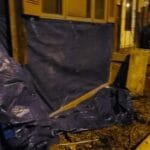
Fast temporary securing helps restore a controlled boundary. Board-up and tarp-over services are especially relevant when broken windows, damaged doors, roof exposure, vandalism, break-ins, or storm damage leave a property open.
Customers read damage quickly
A boarded window is not ideal, but an unsecured broken window sends a worse message. It can make a shop look closed, unsafe, or unattended. In retail, perception affects foot traffic. The faster you secure the opening, clean the visible hazard, and update staff or tenants, the easier it becomes to keep operations organized.
Hail and Vandalism Damage Are Different, but the First Priorities Match
The cause matters for documentation and repairs, but early decisions follow the same safety-first logic.
Hail can create glass and roof exposure together
Hail damage rarely stops at one surface. A storm can bruise roofing, crack siding, break glass, and drive water into exposed areas. Hail damage cleanup and restoration services fit this pattern because the loss may involve both exterior damage and interior water concerns.
The severe thunderstorm threshold matters for retail planning. Hail at least 1 inch wide or wind over 58 mph can affect display windows, signs, awnings, roof edges, and nearby trees. After the storm clears, look for damaged frames, shifted doors, water near interior walls, and glass fragments in display zones.
Vandalism adds security and evidence concerns
- After vandalism, do not rush to reset the storefront before you document the scene.
- Keep people away from glass.
- Preserve useful photos and videos.
- Follow instructions from property ownership, law enforcement, or management before cleanup changes key details.
Once documentation is handled, securing the opening helps reduce theft risk, weather exposure, and after-hours access. For shared buildings, review guidance on same-day board-up for mixed-use buildings because retail damage can affect tenants above, adjacent units, or common areas.
Immediate Response Checklist for Storefront Glass Damage
Use the first hour to prevent injuries, reduce exposure, and separate urgent securing from later repair decisions.
Keep people away from the opening
- Move staff and customers away from the damaged area.
- Do not let anyone step through glass or lean on fractured panels.
- If power outlets, signage, lights, or wet floors are nearby, avoid the area until the right professional checks it.
Document before cleanup
- Take photos from a safe distance.
- Capture the broken window, frame, interior water, damaged merchandise, affected flooring, exterior storm debris, and any roof or door exposure.
- Save camera footage if vandalism or impact damage may be involved.
Separate securing from permanent repair
Temporary board-up does not replace permanent glass, frame, roof, or water restoration decisions. It buys time while you arrange assessment, cleanup, drying, debris removal, and permanent repair planning.
Revenue Protection Is Also Moisture Control
The storefront may look like a glass problem, but rainwater can turn it into a drying and restoration problem.
Water can move beyond the window line
Storm-driven water can run under flooring, behind baseboards, into wall cavities, and below display fixtures. A clean-looking sales floor may still hold moisture under mats, laminate, carpet edges, or built-in merchandising. This is why retail securing and drying decisions often overlap.
When wind, hail, or fallen debris opens a structure, rain can enter interior finishes and create a water restoration issue.
A related guide explains what types of water damage are covered under restoration services and why storm openings can lead to drying and cleanup decisions.
The mold clock starts early
The EPA recommends drying water-damaged areas and items within 24 to 48 hours to help prevent mold growth. That timing is important for commercial interiors because wet drywall, carpet, trim, packaging, and stored inventory can stay damp out of sight.
The same 24 to 48-hour window should shape your next steps. After temporarily securing, review the first 48 hours of water removal so you can prioritize extraction, drying, and salvage decisions before hidden moisture becomes a bigger disruption.
What Not to Do After a Broken Retail Window
Bad first moves can increase injury risk, damage inventory, or delay the path back to normal operations.
Do not reopen before hazards are controlled
A partly open store can still be unsafe. Broken glass near entrances, unstable frames, wet electrical areas, ceiling stains, or debris on sidewalks can expose staff and customers to preventable risk. Limit access until hazards are addressed.
Do not ignore water just because the glass is covered
Boarding the opening stops new exposure. It does not remove water already inside. Check the floor line, display bases, storage rooms, fitting rooms, and shared walls. Hidden moisture can spread after the visible puddle is gone.
Do not make cleanup assumptions after sewer or contaminated water
If heavy rain, drain backup, or contaminated water enters the space, treat the situation differently from clean rainwater. Avoid direct contact and keep porous materials separate until the water source and cleanup needs are understood. The same caution applies when smoke, odor, or fire damage follows lightning-related storm damage.
For broader early mistakes, review what not to do after water damage before moving contents, entering wet areas, or assuming the loss is only surface-level.
Planning the Permanent Recovery
Temporary protection works best when it leads into a clear restoration plan.
Build a written damage map
List every affected area: glass, frame, door hardware, signage, awning, roof edge, flooring, walls, fixtures, merchandise, electronics, storage rooms, and basement or lower-level spaces. In older buildings and mixed-use corridors, water may travel into adjacent units or down into basement areas.
Coordinate cleanup, drying, and repair decisions
Retail recovery often involves more than one trade. Glass replacement, board-up removal, drying, debris removal, odor control, fire cleanup, or mold removal may all be considered depending on the event. Keep notes, photos, receipts, and communication records organized.
Keep the storefront readable
Customers need simple signals. A secured window, clear entry path, visible hours, and clean sidewalk help people understand whether the business is open. That clarity protects revenue while permanent repairs move forward.
Frequently Asked Questions
1. Why is a broken retail display window such an urgent issue?
A broken display window creates more than cosmetic damage. It can expose merchandise, fixtures, flooring, and interior finishes to weather and unauthorized access. It can also affect customer confidence because people judge the storefront before they decide to enter.
2. Should hail-damaged storefront glass be boarded before permanent glass repair?
Temporary board-up can help control the opening while permanent repair decisions are made. It is especially useful when broken glass, damaged frames, or roof exposure leave the building vulnerable. The goal is to reduce additional weather intrusion, debris entry, and security risk.
3. What should I do first after vandalism breaks a storefront window?
Keep people away from glass, document the damage, and preserve any useful camera footage. Follow guidance from property ownership, management, or law enforcement before cleanup changes the scene. Once documentation is complete, securing the opening helps reduce additional loss.
4. Can hail damage lead to interior water damage?
Yes. Hail and wind can break windows, damage roofing, or open exterior surfaces. Rain can then move into walls, ceilings, flooring, and display areas. Even after the opening is covered, drying may still be needed if water enters the property.
5. What if water enters a retail space after the window breaks?
Treat the water as a separate restoration concern, not just a glass issue. Check flooring, wall bases, storage areas, displays, and nearby electrical items from a safe distance. Water extraction and drying services may be relevant when moisture has spread into interior materials.
6. How does basement flooding relate to commercial window damage?
In mixed-use corridors and older buildings, water can move below grade after heavy rain, roof exposure, or storm-driven intrusion. A storefront issue may also coincide with basement water or drain problems. Lower levels should be checked when stormwater enters the building or when the property already has a history of basement water intrusion.
7. What if a sewer or drain backup happens during the same storm?
Avoid direct contact with suspected contaminated water. Keep staff, customers, and tenants away from the affected area until cleanup needs are understood. Sewage backup cleanup and disinfection may be relevant when drain backups or contaminated water are involved.
8. Can a boarded storefront still develop mold problems?
Yes. Board-up helps stop new exposure, but it does not dry materials that are already wet. Moisture can remain under flooring, behind trim, or inside wall cavities. Mold removal may become part of the recovery plan when delayed drying or hidden dampness leads to growth.
9. What should property managers document after hail or vandalism?
Document the broken glass, damaged frames, water entry, flooring conditions, merchandise damage, roof or door exposure, debris, and any affected neighboring spaces. Photos, notes, footage, receipts, and repair communications help create a clearer recovery record.
10. How can retail tenants and landlords reduce confusion after storefront damage?
Clarify who controls emergency securing, who documents the loss, and who coordinates permanent repairs. Mixed-use buildings need extra communication because damage may affect tenants, shared walls, or upper-level spaces. A written damage map helps everyone see what has been checked and what still needs attention.
11. When can storm debris or fallen trees become part of the storefront recovery?
Storm debris matters when branches, signs, roof materials, or tree limbs break glass or block entrances. Debris removal may be needed before safe access, drying, or permanent repairs can begin. Do not move large or unstable debris without the right help, especially near power lines or damaged structures.
Related posts:
![How Contents Pack Out Helps Families Stay Functional During Major Repairs]()
Contents Pack-Out During Major Repairs
![installing-board-up-racine]()
Building Board Up and Tarp Over In Racine
![Summer Hoarding Cleanup: Why Waiting Can Worsen the Damage]()
Summer Hoarding Cleanup: Why Waiting Can Worsen the Damage
![Vehicle Impact Damage: Why Repairs Cannot Come First]()
Vehicle Impact Damage: Why Repairs Cannot Come First
![Emergency-Board-Up-for-Duplexes-and-Mixed-Use-Buildings-What-Owners-Need-Done-the-Same-Day]()
Same-Day Emergency Board-Up for Duplex and Mixed-Use Buildings
![When Wind Opens a Multifamily Roof: A First-Day Action Plan]()
When Wind Opens a Multifamily Roof: A First-Day Action Plan
![Glass Board Up At Restaurant In Milwaukee]()
Glass Board Up At Restaurant In Milwaukee