An opening where your storefront window or living room wall used to be creates more than a repair problem. During rainy weather, that opening can admit water before permanent repairs begin. During freezing conditions, exposed plumbing and lost heat can create another emergency.
Property damage restoration after a vehicle impact requires several connected decisions. You need to establish where people can go, identify damaged utilities, protect exposed areas, and determine what needs rebuilding. Replacing glass or covering broken siding cannot answer all those questions.
Whether you manage apartments, own a commercial property, or rent an affected home, the recovery plan should address both the collision and the damage that may follow.
Put People and Scene Safety First
Your first decisions should reduce exposure to unstable materials, traffic, and utility hazards.
Stay Outside the Impact Zone
-Move away from the damaged building and call 911 after a serious collision involving injuries, possible structural damage, or utility hazards. Keep other occupants away from broken glass, loose masonry, damaged ceilings, and the vehicle.
-Do not enter to retrieve belongings or inspect cracks. A wall may remain upright while its connections or supporting members have shifted. Follow emergency personnel’s access instructions.
Leave Vehicle Removal to Coordinated Professionals
Do not pull the vehicle free, move heavy debris, or push displaced building materials back into place. Removal can change how damaged components carry weight.
Vehicle recovery may require coordination between responders, towing personnel, and structural specialists. Understanding why stabilization matters after a vehicle strikes a building helps explain why clearing the opening is not automatically the first repair step.
Separate Board-Up From Structural Stabilization
Temporary protection and structural support solve different problems, even when both are needed urgently.
Stabilization Addresses Movement
Damaged framing, masonry, or connections may require temporary support before work proceeds nearby. Qualified professionals should determine whether bracing is needed and how it should be installed.
Boarding over a damaged wall does not restore its ability to support the floors or roof above it. Treat proposed temporary supports as part of a professionally assessed plan.
Board-Up Addresses Exposure
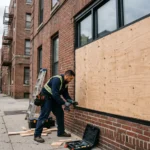
Once conditions allow, boarding damaged openings can reduce weather intrusion and unauthorized access. Roof damage may also require temporary covering.
We offer Board-Up & Tarp-Over Services, including temporary structural stabilization and debris removal. The appropriate work depends on the opening, surrounding damage, and access conditions.
At ERS Remove Water, we can help with board-up and temporary property protection. Once you have reached safety and contacted emergency responders, call (414) 571-9977. Describe the impact location, visible openings, and any access restrictions so you can discuss the next restoration step.
Check Utilities Before Cleanup Expands
A collision can affect systems hidden inside a wall, beneath a floor, or beside an exterior meter.
Gas and Electrical Concerns
- If you smell gas or hear hissing, leave immediately and contact emergency services or the gas utility from a safe location.
- Do not investigate the source.
- Keep away from damaged wiring, electrical equipment, and standing water near electrical systems.
- Do not reset breakers to test whether power still works.
- Utility personnel and qualified electricians should assess suspected damage before affected systems return to use.
Plumbing and Heating Concerns
Broken plumbing can turn impact damage into water damage. Water may travel through wall cavities or collect below the damaged room.
- Report visible leaks and heating interruptions.
- Have qualified professionals address damaged systems. Do not enter an unstable or electrically hazardous area to reach a shutoff.
- In freezing weather, an exposed wall and interrupted heat deserve prompt attention because nearby pipes may become vulnerable.
Prevent Weather Exposure From Expanding the Loss
Rain, wind, and cold can increase the repair scope after the initial collision.
Follow Water Beyond the Opening
Water does not necessarily remain beside the damaged wall. It can move beneath flooring, behind trim, and into lower levels.
After access is authorized, document visible staining, wet finishes, and affected belongings. Ask whether concealed spaces need evaluation. The same concern applies when impact damage opens the building to rain: the entry point may be smaller than the affected area.
Resolve Moisture Before Closing Cavities
Rebuilding over damp materials can conceal an unresolved moisture problem. Drying and material decisions should happen before insulation, drywall, or flooring covers the area again.
Your water-damaged drywall repair decisions should account for the wall cavity as well as the visible finish. After a collision, leave opening and removal work to qualified professionals because utilities and structural components may also be damaged.
Plan Structural Repairs Around the Full Damage
Structural damage restoration should follow an assessment of affected components, not simply the outline of the visible hole.
Define What Needs Repair
Ask for a written scope that separates temporary protection, cleanup, utility work, drying, structural repairs, and finish replacement.
Useful questions include:
- Which damaged components support other parts of the building?
- Does the assessment need a structural engineer?
- What remains concealed or uncertain?
- Who will address affected utilities?
- What must happen before walls close?
- Which approvals or inspections apply to the proposed work?
Avoid assuming every impact needs identical repairs. A shattered storefront and a displaced load-bearing wall present different conditions.
Keep Records and Contents Organized
Photograph damage only from authorized areas. Preserve incident information, estimates, receipts, and repair communications. Ask your insurer about documentation and coverage without assuming who will pay.
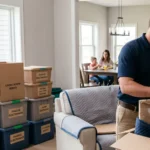
Plan how belongings or inventory will leave the work zone. Organized contents handling during major repairs can help preserve access and reduce confusion about what moved.
Choose a Recovery Plan That Fits Your Property
Your property’s use affects access, communication, and the order of repair decisions.
For residential property damage restoration, consider sleeping areas, essential utilities, and access to belongings. If you rent, notify your landlord or property manager promptly.
For commercial and mixed-use properties, address shared entrances, tenant access, deliveries, and customer areas. Do not assume an undamaged-looking room can remain occupied without assessment.
When comparing property restoration services, look for clear responsibilities and a written sequence. Ask how damage restoration services connect with utility specialists and any necessary structural review. A useful estimate identifies unresolved conditions instead of presenting cosmetic replacement as the whole project.
At ERS Remove Water, we offer restoration services that include property reconstruction and interior repair. Call (414) 571-9977 to discuss your damaged areas, temporary protection needs, and repair priorities. Explain whether water entered, utilities were affected, or occupied spaces remain inaccessible so you can discuss the relevant services.
Frequently Asked Questions
Can you stay inside after a vehicle hits an exterior wall?
-Do not assume the building remains suitable for occupancy because the damage looks localized.
-Follow emergency personnel’s restrictions and obtain qualified assessment of structural and utility concerns.
-Access to unaffected-looking rooms may still depend on shared supports, exits, and building systems.
Does board-up mean the building is ready to use?
Board-up provides temporary enclosure and helps reduce weather exposure and unauthorized entry. It does not establish structural stability or confirm that utilities can operate. Reentry and occupancy decisions require separate consideration of the actual damage and applicable restrictions.
Should you arrange immediate towing?
Tell responders if the vehicle remains embedded in the building or against damaged materials. Its removal could shift weakened components or change their support. Let responders, towing personnel, and structural specialists coordinate removal when stability is uncertain.
When should a structural engineer become involved?
An engineer may be needed when damage affects load-bearing components or the repair approach is uncertain. Displaced walls, altered openings, and damaged connections deserve qualified evaluation. Ask who will determine the need for engineering and how that assessment will inform repairs.
What if the lights still work after the collision?
Working lights do not establish that all wiring, connections, or electrical equipment escaped damage. Keep away from the impact zone and report exposed wires, sparks, or damaged electrical components. Have suspected electrical damage evaluated before affected circuits or equipment return to use.
Can a collision lead to basement water damage?
Yes. A broken pipe or rain entering the damaged exterior can send water into lower levels. The wet area may extend beyond the room where the vehicle struck. After access is authorized, ask whether adjacent cavities, flooring, and basement areas need moisture evaluation.
How does freezing weather change recovery priorities?
An open exterior wall can expose plumbing to cold air, especially if heating is interrupted. Temporary weather protection and qualified assessment of heating and plumbing become important considerations. Do not improvise heating around damaged wiring or enter restricted spaces to protect pipes.
What if water near the impact area smells like sewage?
-Avoid contact and report the odor and visible conditions to qualified professionals.
-Damaged wastewater piping or an unrelated backup may require a different cleanup approach from a supply-line leak.
-Do not assume ordinary drying or surface cleaning will address potentially contaminated materials.
Can your business reopen while repairs continue?
Partial reopening depends on structural conditions, utilities, exits, work boundaries, and applicable restrictions. An intact customer area alone does not establish that continued use is appropriate. Confirm permitted access and operating conditions before directing employees, tenants, or customers back inside.
How long will vehicle-impact repairs take?
Timing depends on damage extent, concealed conditions, utility repairs, materials, and any required approvals. Temporary protection may happen separately from permanent reconstruction. Request a staged schedule that identifies dependencies and explains how newly discovered damage could change it.
Related posts:
![When Wind Opens a Multifamily Roof: A First-Day Action Plan]()
When Wind Opens a Multifamily Roof: A First-Day Action Plan
![Vehicle Impact Damage: Why Repairs Cannot Come First]()
Vehicle Impact Damage: Why Repairs Cannot Come First
![Glass Board Up At Restaurant In Milwaukee]()
Glass Board Up At Restaurant In Milwaukee
![Emergency-Board-Up-for-Duplexes-and-Mixed-Use-Buildings-What-Owners-Need-Done-the-Same-Day]()
Same-Day Emergency Board-Up for Duplex and Mixed-Use Buildings
![How to Protect Retail Display Windows After Hail or Vandalism?]()
How to Protect Retail Display Windows After Hail or Vandalism?
![Summer Hoarding Cleanup: Why Waiting Can Worsen the Damage]()
Summer Hoarding Cleanup: Why Waiting Can Worsen the Damage
![How Contents Pack Out Helps Families Stay Functional During Major Repairs]()
Contents Pack-Out During Major Repairs