


Water damage is sneaky. Sometimes it’s a dramatic burst pipe that turns your living room into a wading pool. Other times it’s a slow leak that quietly soaks a cabinet base until everything smells like a swamp. Either way, one of the first questions you’ll face—right after “How bad is this?”—is: what has to go, and what can be saved?
The answer depends on a few key factors: how long the materials were wet, what kind of water caused the damage, and whether items can be thoroughly cleaned and dried. Below is a practical guide to help you make fast, safe decisions, plus a few tips for maximizing what you can salvage with help from ERS, a leading water damage restoration company.
First: Know What Kind of Water You’re Dealing With
Not all water damage is equal. Restoration pros often categorize water as:
- Clean water: From a supply line, rainwater (initially), or a sink overflow without contaminants.
- Gray water: From appliances like washing machines or dishwashers, or sink water with minor contamination.
- Black water: Sewage backups, floodwater from outdoors, toilet overflows with waste—this is the high-risk category.
The “dirtier” the source, the more likely porous items must be discarded for health reasons.
Items You Should Usually Throw Away After Water Damage
1) Porous Soft Goods (Especially if Wet for 24–48+ Hours)
Porous materials absorb water deeply and can become moldy fast. In many cases, especially after 24–48 hours, these items are not worth the risk:
- Mattresses and box springs
- Pillows
- Stuffed animals
- Upholstered furniture (especially with particleboard frames)
- Area rugs with thick padding (depending on water type and duration)
If the water source was gray or black water, disposal is often the safest call even if it’s been less time.
2) Carpets and Carpet Padding
Carpet might be salvageable in clean-water situations if addressed quickly, but padding is almost always a loss because it holds moisture and contaminants. If water is gray/black, both carpet and padding are usually discarded.
3) Drywall and Insulation
- Drywall typically needs to be removed at least up to the waterline (and often higher) because it wicks moisture.
- Insulation (especially fiberglass batts or cellulose) loses effectiveness and can harbor mold.
This is one of those places where professional drying equipment and moisture mapping really matter—ERS teams can pinpoint how far moisture traveled behind surfaces so you’re not guessing.
4) Particleboard / MDF and Cheap Pressboard Furniture
If it’s made of:
- particleboard,
- MDF,
- laminate over pressboard,
…water causes it to swell, crumble, and delaminate. Once it’s puffed up, it rarely returns to shape or strength. Throw it out.
5) Food, Medicine, and Cosmetics Exposed to Floodwater
If the item is:
- in a cardboard package,
- in a non-sealed container,
- or came in contact with floodwater/black water,
it should go. When in doubt, toss it—especially meds and baby-related products.
6) Anything That Smells Like Mold and Can’t Be Fully Cleaned
Odor is a clue. If porous items remain musty after drying attempts, mold may already be established. Saving it might mean moving the problem around your home.
What Can Often Be Saved (If You Act Fast)
1) Hard, Non-Porous Items
These are your best salvage candidates because they don’t absorb water deeply:
- Glass, metal, plastic
- Solid surface décor
- Most dishes and cookware
- Some sealed wood furniture (depending on finish)
Clean and disinfect them properly, and dry thoroughly.
2) Solid Wood Furniture (Real Wood)
Real wood can sometimes be saved—even if it warps slightly—because it’s structurally more resilient than pressboard. Success depends on:
- how long it sat wet,
- whether joints loosened,
- and whether mold developed.
A restoration professional may be able to dry it slowly to reduce warping and recommend specialty cleaning.
3) Clothing and Some Textiles
Many clothes can be washed and saved if:
- the source was clean water, and
- the items didn’t sit wet too long.
If exposed to sewage or floodwater, it becomes trickier. Some items can be restored with specialized laundering, but delicate fabrics and heavily contaminated textiles may need disposal.
4) Electronics (Sometimes!)
This one surprises people. Electronics aren’t automatically trash—but do not power them on. Disconnect them, remove batteries if possible, and let a pro advise next steps. Certain devices can be restored depending on exposure and whether water reached internal components.
5) Important Paper Items and Photos
Time is critical. You can sometimes save:
- photographs,
- books,
- documents,
by freezing them quickly to stop deterioration until proper drying can occur. Restoration companies often have stabilization techniques and may advise on document recovery vendors for high-value items.
The 24–48 Hour Rule (Mold Doesn’t Wait)
Mold can start growing in as little as 24–48 hours in the right conditions. That’s why quick drying, dehumidification, and containment are everything. The sooner you stop water migration and control humidity, the more you can save—and the less you’ll need to rip out later.
How ERS Helps You Save More (and Stress Less)
After water damage, the goal isn’t just to “dry things out.” It’s to dry them correctly, so hidden moisture doesn’t turn into mold, odors, or structural issues.
As a leading water damage restoration company, ERS supports homeowners and businesses by:
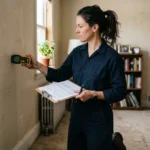
- Inspecting and mapping hidden moisture (behind walls, under flooring, inside cavities)
- Extracting standing water quickly to prevent further absorption
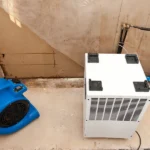
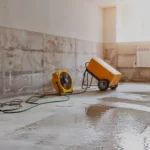
- Using professional-grade drying and dehumidification to stabilize materials properly
- Advising what’s salvageable vs. unsafe based on water type, exposure time, and material
- Helping document losses for smoother insurance conversations
This combination—speed + precision—often makes the difference between saving a room and replacing it.
A Quick “Keep vs. Toss” Cheat Sheet
Usually Toss:
Mattresses, pillows, padding, soaked insulation, swollen pressboard furniture, contaminated food/medicine/cosmetics, musty porous items that won’t clean up
Often Save (with proper drying/cleaning):
Hard goods (glass/metal/plastic), some real wood furniture, many clothes, some electronics (if handled correctly), documents/photos (if stabilized fast)
Final Thought
Water damage decisions can feel overwhelming, especially when you’re staring at soggy belongings and trying to process what just happened. Focus on safety first, act quickly, and don’t gamble with contamination or mold risk. When you bring in experienced help like ERS, you get a clear plan: what must be removed, what can be restored, and how to protect your home from long-term damage.
FAQ
1) How can I tell if something is safe to keep after water damage?
If the item is non-porous (plastic, metal, glass) and the water source was clean, it can usually be cleaned, disinfected, and dried safely. If it’s porous (fabric, drywall, insulation, particleboard) and stayed wet for 24–48+ hours, it’s often safer to discard—especially if there’s a musty smell or visible mold.
2) What’s the difference between clean water, gray water, and black water?
- Clean water: From supply lines, rainwater (initially), or clean sink overflows.
- Gray water: From appliances (dishwasher/washer) or sinks with mild contamination.
- Black water: Sewage backups, floodwater, or toilet overflows with waste—highest health risk and usually requires more disposal.
3) Can I save a mattress or couch after water damage?
Usually no, especially if it’s been wet for more than a day or exposed to gray/black water. Mattresses and upholstered furniture are porous and can trap moisture and bacteria deep inside, making mold and odor problems likely.
4) Is carpet always a loss after water damage?
Not always. Carpet can sometimes be saved if it was exposed to clean water and dried quickly. However, carpet padding is almost always discarded because it holds moisture and contaminants. If the water is gray/black, replacing both is usually the safest route.
5) Do I really have to remove drywall after a flood or leak?
Often, yes. Drywall absorbs water and can wick moisture upward. If the wall cavity is wet, removing affected drywall helps prevent hidden mold. A restoration team like ERS can use moisture detection tools to confirm where water traveled so you don’t remove more than necessary.
6) What should I do if I see mold or smell a musty odor?
Treat it as a warning sign. Mold can start growing in 24–48 hours. Avoid spreading spores by disturbing materials. Increase ventilation if safe, but the best move is to have a professional assess, dry, and remediate properly—ERS can identify the moisture source and stop regrowth.
7) Can electronics be saved after water exposure?
Sometimes. Don’t power them on (that can cause short circuits). Unplug devices, remove batteries if possible, and let them dry. Depending on the extent of exposure, some electronics can be evaluated and restored, but others may be unsafe.
8) Can I save photos, documents, or books that got wet?
Often yes—if you act quickly. Gently separate items if possible and freeze photos/documents/books in a sealed bag to slow damage until proper drying can be done. Professional restoration guidance can improve the odds of recovery for valuable papers.
9) Should I throw away food and medicine after water damage?
If items came into contact with floodwater/black water, discard them—especially anything in cardboard, paper, or unsealed containers. When it comes to medication, baby supplies, and cosmetics, it’s safest to replace if there’s any doubt.
10) When should I call a water damage restoration company like ERS?
Call as soon as possible when:
- Water has entered walls, floors, or ceilings
- The source might be gray/black water
- You’ve had standing water or wet materials for more than a few hours
- You smell mustiness or suspect hidden moisture
ERS, as a leading water damage restoration company, can extract water, map moisture, dry structures correctly, and help you decide what can be safely saved versus what should be removed.
Related posts:
![How to Get Rid of an Ice Dam Safely (and When to Call for Water Damage Help)]()
How to Get Rid of an Ice Dam Safely (and When to Call for Water Damage Help)
![Roof Drain Overflow Protecting Commercial Inventory Below]()
Roof-Drain Overflow: Protecting Commercial Inventory Below
![ProcessWaterDamageRestoration]()
Water Damage Restoration: Process Details
![Water-Flood-Damage-Restoration-in-Oak-Creek]()
How to Fix Water Damage: A Step-by-Step Guide to Protect Your Home
![Three Reasons Dry Out Is A Critical Step In Water Damage Restoration]()
Three Reasons Dry Out Is A Critical Step In Water Damage Restoration
![DIY-Vs-Professional-Water-Extraction-1]()
DIY vs. Professional Water Extraction—What’s the Risk?
![What-certifications-should-a-restoration-company-have]()
What Certifications Should a Restoration Company Have