

A vehicle crashing into a home, storefront, garage, office, or mixed-use building creates a different type of property emergency. The opening may resemble ordinary exterior damage, but the collision can transfer force into wall framing, masonry, columns, utilities, windows, and interior finishes.
The risk can increase quickly in Milwaukee-area neighborhoods and first-ring suburbs. A collision that opens the building envelope may be followed by heavy rain, freezing temperatures, wind, or snow. Older housing stock, basement-heavy homes, and closely spaced commercial properties can also complicate access and damage assessment.
That is why permanent repairs do not come first. The initial priorities are life safety, scene control, structural evaluation, temporary stabilization, board-up, weather protection, and debris management. Repairs begin only after the building is stable enough to support controlled recovery work.
Why Vehicle-Into-Building Damage Is More Than a Broken Wall
The visible opening may represent only one part of the collision’s damage path.
Impact force can travel beyond the entry point
A vehicle may strike siding, brick, a garage door, or a storefront window first. However, the force can continue into studs, headers, floor systems, roof supports, and nearby connections.
Interior damage may appear several feet from the point of impact. Drywall can crack, doors may stop closing, ceilings may shift, and flooring can separate. Masonry may also loosen without immediately falling.
The vehicle itself may temporarily support part of the damaged assembly. Moving it without a coordinated plan could change how the remaining load is carried. For that reason, you should not enter the impact zone or attempt to move structural debris.
Utilities can create additional hazards
A collision may damage electrical wiring, gas lines, plumbing, heating components, sprinkler piping, or utility meters. Water may begin leaking inside walls or flow into a basement. Damaged wiring may remain energized even when lights are out.
Stay away from standing water, exposed wiring, fuel odors, smoke, sparking equipment, and damaged utility components. Contact emergency services or the appropriate utility authority when an immediate hazard may be present.
Stabilization Must Happen Before Cleanup or Repair
Temporary stabilization helps prevent damaged components from shifting while the structure is assessed.
The building needs a controlled safety perimeter
Keep occupants, customers, tenants, and bystanders away from the damaged area. Do not use a doorway, stairway, hallway, or room near the impact until qualified professionals determine that access is appropriate.
In a commercial or mixed-use property, the unsafe area may affect customer routes, shared entrances, loading areas, apartments, or utility rooms. Closing one room may not be enough if the damaged wall supports other parts of the building.
Structural movement must be evaluated
Warning signs can include:
- Bowed or leaning walls
- Loose brick or block
- Cracked beams, columns, or headers
- Sagging ceilings
- Separated roof or floor connections
- Doors and windows that suddenly bind
- New gaps between walls, floors, and ceilings
- Falling plaster, drywall, insulation, or masonry
These signs do not establish the full scope of damage. They indicate that the area should remain restricted until the structure has been evaluated.
Temporary shoring or another stabilization method may be necessary before the vehicle, damaged materials, or contents can be moved. This work should follow qualified structural direction when load-bearing components may be affected.
Board-Up Protects the Property While Decisions Are Made
Temporary enclosure reduces additional exposure without hiding the need for a complete assessment.
Open walls and windows invite secondary damage
Once a vehicle breaches the exterior, rain, snow, wind, debris, animals, and unauthorized entry can affect the interior. A relatively dry collision loss can become a water damage project after one storm.
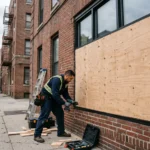
Professional board-up and tarp-over services can secure broken windows, damaged doors, roof openings, and other exposed areas while inspection and repair planning continue. The goal is temporary protection, not a finished wall.
A board-up should not place pressure on unstable masonry or conceal areas that still require examination. Stabilization and enclosure must work together rather than treating the opening as a simple carpentry problem.
Weather protection matters during every season
In winter, an exposed wall can allow cold air to reach plumbing and mechanical areas. In warmer months, thunderstorms can push water through openings and into wall cavities, flooring, storage areas, or basements.
The same principles apply after a vehicle damages a duplex, storefront, or shared-use building. Same-day emergency board-up for duplex and mixed-use buildings helps explain why shared access routes, lower levels, and connected tenant spaces need careful attention.
Need help securing a vehicle-damaged property? Keep people outside the affected area and call (414) 571-9977 to request stabilization-related restoration support, board-up, weather protection, and cleanup planning before permanent repairs begin.
Debris Removal Must Follow the Stabilization Plan
Broken materials need controlled handling because some debris may still affect the damaged structure.
Not every loose-looking material is ready to move
Brick, lumber, glass, drywall, signage, shelving, and vehicle parts may block access. However, some damaged pieces may still carry weight, brace an opening, or rest against unstable components.
Do not pull boards, cut framing, remove masonry, or clear heavy debris simply to expose the area. Premature removal can cause shifting, falling materials, or a wider collapse.
Once the structure can support controlled work, debris removal services may help clear damaged materials and prepare the property for further restoration. Debris should be handled in an order that preserves safe access and supports the approved repair sequence.
Contents also need organized decisions
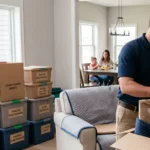
Furniture, inventory, documents, appliances, and personal belongings may be trapped near the impact zone. Some items may be physically damaged, while others may be affected by rain, dust, smoke, glass, or leaking water.
Do not enter an unstable space to retrieve nonessential belongings. When major work requires a clear area, an organized contents pack-out during major repairs can help separate accessible items from belongings that require cleaning, storage, or condition-based decisions.
Water, Fire, and Contamination Can Expand the Loss
Vehicle impact may trigger several restoration needs at the same time.
Water can spread far from the opening
A damaged pipe, sprinkler line, roof edge, or exterior wall can release water into ceilings, insulation, wall cavities, floors, and basements. Water may follow framing or utility routes before appearing in another room.
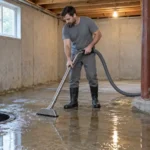
Securing the opening stops new weather exposure, but it does not remove water already inside. Extraction and drying should occur after the area is stable enough for controlled access.
The sequence described in what is included in property restoration shows how temporary protection, cleanup, drying, and repair planning connect during a complex loss.
Fire or smoke may change the response
A collision can damage electrical systems, fuel sources, batteries, or heating components. If fire or smoke is present, leave the area and contact emergency services.
Smoke residue and odor may travel into nearby rooms or through shared building areas. Fire damage, water from suppression, broken openings, and debris may then require coordinated restoration rather than isolated wall repair.
Unknown liquids, sewer water, bodily fluids, or other contaminated materials also change cleanup decisions. Avoid direct contact and keep the area restricted.
Permanent Repairs Begin After the Damage Scope Is Clear
Repair planning should address the collision path, not only the visible hole.
The repair scope should connect all affected systems
A complete assessment may need to consider:
- Load-bearing framing and masonry
- Roof, floor, and wall connections
- Windows, doors, siding, and exterior finishes
- Electrical, gas, plumbing, and mechanical systems
- Interior walls, ceilings, insulation, and flooring
- Water migration and drying needs
- Damaged contents and debris
- Safe tenant, staff, or occupant access
Repairing finishes before hidden damage is understood can conceal movement, moisture, or compromised connections. New drywall and paint cannot correct a shifted header, wet insulation, damaged wiring, or unstable masonry.
Commercial properties need an access plan
Facility managers and commercial owners should separate emergency closure decisions from reopening decisions. A boarded opening does not automatically make adjacent rooms suitable for normal use.
Evaluate customer paths, staff entrances, tenant areas, deliveries, emergency exits, utilities, inventory, and shared walls. A limited reopening may be possible only when safe areas can remain clearly separated from the damaged zone.
The recovery order should remain consistent: control immediate hazards, stabilize the structure, secure openings, manage debris and water, define the repair scope, and then rebuild.
Prevention Starts With the Vehicle Path
Properties with repeated vehicle exposure can reduce risk by examining traffic movement around vulnerable walls.
Review parking layouts, drive-through lanes, loading zones, ramps, alleys, storefront approaches, and spaces facing busy intersections. Look for routes where a vehicle could travel directly toward occupied rooms, utility equipment, entrances, or structural supports.
Lighting, pavement markings, wheel stops, barriers, signs, speed control, and traffic-flow changes may reduce exposure when selected and designed appropriately. Commercial property owners should use qualified professionals when evaluating protective barriers or changes that affect accessibility, traffic circulation, or structural loading.
Vehicle-into-building damage is disruptive, but the recovery sequence should not be rushed. Stabilization and board-up create the controlled conditions needed for inspection, cleanup, drying, and informed repair decisions. Permanent work becomes safer and more accurate only after the building is protected from movement, weather, debris, and unauthorized access.
Frequently Asked Questions
Can you enter the building after a vehicle hits an exterior wall?
Do not enter the impact area until emergency personnel or qualified professionals determine that access is appropriate. Damage may extend into framing, masonry, ceilings, floors, or utilities. Falling materials and sudden movement can occur even when the opening appears localized.
Why should the vehicle sometimes remain in place temporarily?
The vehicle may be pressing against damaged materials or supporting part of the opening. Moving it can change the load on weakened framing or masonry. Vehicle removal should be coordinated with emergency responders and structural specialists when building stability is uncertain.
What is the difference between stabilization and board-up?
Stabilization addresses the risk of structural movement or collapse. Board-up closes broken windows, doors, walls, or other openings to reduce weather exposure and unauthorized entry. Stabilization generally comes first when the enclosure work could disturb damaged structural components.
Is board-up considered a permanent repair?
No. Board-up is temporary property protection. It creates time for structural assessment, utility review, water control, debris removal, and repair planning. Permanent repairs should address all affected materials and connections rather than simply covering the collision opening.
What happens if rain enters before the wall is secured?
Rain can move into insulation, framing, drywall, flooring, contents, and lower levels. After the structure is stabilized and enclosed, water removal and drying may be necessary. Moisture should not be covered with new finishes before the affected areas are evaluated.
Can you remove broken brick and framing yourself?
Avoid moving structural debris near the impact zone. Loose-looking brick, lumber, or wall components may still support weight or brace another damaged section. Controlled debris removal should begin only after the area is stabilized and an appropriate removal sequence has been established.
What if the collision damages a pipe or sprinkler system?
Keep people away from wet areas, exposed wiring, and damaged utilities. Stop the water source only when it can be done without entering an unsafe area. Stabilization, water extraction, drying, and repairs may need to proceed as coordinated parts of the same loss.
Can vehicle impact lead to basement water damage?
Yes. Broken water lines may drain downward, and an exterior opening may admit rain that travels through walls or floors. In basement-heavy homes and mixed-use buildings, inspect lower levels after access is considered safe, even when the collision occurred above grade.
What changes if the vehicle hits a storefront or mixed-use building?
Shared entrances, tenant spaces, apartments, utility rooms, and customer routes may all be affected. Property managers should restrict the damaged zone and review emergency exits and safe circulation. Reopening decisions should remain separate from the decision to board up the opening.
Can mold become a concern after a vehicle collision?
Mold may become a secondary concern when rain, plumbing water, or suppression water leaves materials damp. Board-up reduces new exposure but does not dry moisture already inside. Water-damaged cavities, flooring, insulation, and contents may require further evaluation and drying.
What if there is smoke, a fuel odor, or damaged electrical equipment?
Leave the area and contact emergency services. Do not operate switches, start equipment, or investigate the odor yourself. Fire, electrical, battery, or fuel hazards require appropriate emergency and utility professionals before restoration access or cleanup begins.
When can permanent repairs start?
Repairs can begin after immediate hazards are controlled, structural concerns are evaluated, openings are secured, and damaged areas are accessible. Water, debris, utilities, and hidden damage should be included in the scope before framing, masonry, drywall, flooring, or finishes are replaced.
Related posts:
![Can-Water-Damaged-Drywall-Be-Saved-or-Should-It-Be-Replaced]()
Can Water-Damaged Drywall Be Saved or Should It Be Replaced?
![Storm Damage Restoration Why Flat Roof Leaks Show Up Late]()
Storm Damage Restoration: Why Flat Roof Leaks Show Up Late
![How Contents Pack Out Helps Families Stay Functional During Major Repairs]()
Contents Pack-Out During Major Repairs
![What Shared Buildings Should Inspect Before Summer Programs]()
What Shared Buildings Should Inspect Before Summer Programs
![Common Places Where Mold Grows and How to Get Rid of It]()
Common Places Where Mold Grows and How to Get Rid of It
![Emergency-Board-Up-for-Duplexes-and-Mixed-Use-Buildings-What-Owners-Need-Done-the-Same-Day]()
Same-Day Emergency Board-Up for Duplex and Mixed-Use Buildings
![Emergency Water Removal For Sump Line Backups Importance]()
Emergency Water Removal for Sump Line Backups: Importance