


In basement-heavy homes, older housing stock, mixed-use corridors, and storm-prone properties, water damage rarely stays small for long. A summer downpour can push water into lower levels. A frozen pipe can let loose overnight. A roof leak after hail or wind can keep feeding moisture into ceilings and wall cavities long after the weather clears. In this regional footprint, that urgency is not theoretical.
Flooding is the most common and most costly disaster in Wisconsin, which is one reason fast water removal matters so much in Milwaukee-area neighborhoods and first-ring suburbs.
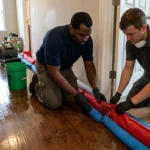
Water removal in the first 48 hours is crucial because those first two days decide whether you are dealing with a manageable cleanup or a much broader restoration problem. The goal is not just to get visible water off the floor. It is to stop the spread, reduce hidden moisture, lower contamination risks, and protect materials before damage multiplies.
Our water-related solutions include water damage restoration and water extraction and drying services, both built around fast removal and drying before secondary damage takes hold.
Water does its worst work after the obvious puddles
Let’s understand why visible water is only part of the problem.
Water travels farther than you think
Standing water is easy to notice. Moisture inside drywall, under flooring, behind baseboards, and inside insulation is not. Once water moves into porous materials, the damage becomes less about mopping and more about moisture migration. That is why fast extraction and drying matter for both homes and commercial properties.
It is a race against secondary damage, especially after burst pipes, flooded basements, storm damage, and appliance leaks.
The clock on mold starts early
One of the clearest reasons to act fast is mold risk. Water-damaged areas and items should be dried within 24 to 48 hours to help prevent mold growth. Understand how to dry out a house after water damage and prevent secondary damage to stay ahead.
Delay turns cleanup into replacement
The first 48 hours are often the difference between drying and demolition. Carpets, pads, drywall, trim, insulation, and engineered wood can all become harder to save when they stay wet. That is especially true in basement flooding, roof leaks, and repeated dampness where moisture lingers out of sight.
Even our basement flooding solutions center around quick removal, air circulation, drying, and safety as the foundation of damage control.
If water has already reached drywall, trim, flooring, or stored basement contents, use this window to move from guesswork to a real plan. A good starting point is to know what to do in the first 60 minutes after water damage in your home and then arrange qualified help for extraction, drying, and damage assessment before hidden moisture spreads further.
What should happen in those first 48 hours?
The most important priorities right after water intrusion.
Step 1: Protect people before property
If water is near outlets, appliances, or the breaker panel, electricity becomes a serious concern. If the source involves sewage backup or floodwater, contamination risk also rises. Our experts draw a practical distinction between cleaner water sources and higher-risk gray or black water, and our services also include sewage backup cleanup for those more hazardous losses.
Step 2: Stop the source if you can do it safely
Shutting off a supply line, isolating an appliance, or preventing more rain from entering can keep the loss from expanding. This matters in plumbing failures, roof leaks after storms, and frozen-pipe events where water keeps moving long after discovery.
It also matters in commercial spaces where a small leak can disrupt tenants, staff, or customers faster than expected.
Step 3: Remove water and start drying immediately
This is the core reason the first 48 hours matter. Extraction without drying is incomplete, and drying without removing standing water first is slow and less effective. Water extraction, structural drying, and moisture removal are the steps used to reduce further damage and mold risk.
For local property owners, it is relevant whether the problem started with neighborhood flash flooding, a burst pipe, a leaking water heater, or a storm-driven intrusion.
Step 4: Decide early what can be saved
You do not have unlimited time to make salvage decisions. Wet drywall, soaked padding, waterlogged insulation, and saturated belongings can cross a line where cleaning and drying are no longer practical. That is why it helps to review whether water-damaged drywall can be saved or should be replaced.
Why this matters so much in this climate
Heavy rain, flash flooding, basement water intrusion, and sewer-related concerns are practical risks in this market, not edge cases. That is especially true for basement-heavy housing stock, denser neighborhoods, and lake-adjacent communities where stormwater, overwhelmed drainage, and repeated wet-weather exposure can all affect cleanup urgency.
The regional sewer system also illustrates how quickly rainfall volume escalates: MMSD says one inch of rain over its service area equals 7.1 billion gallons of water, while the City of Milwaukee’s infiltration and inflow program exists specifically to reduce basement backup risk.
Winter changes the source, but not the urgency. When pipes freeze and rupture, the damage still becomes a moisture problem first and a repair problem second.
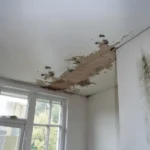
The same logic applies after severe thunderstorms, hail, or wind damage when roof exposure lets water keep entering the building envelope.
What not to do while the clock is running
The common mistakes that make damage worse.
- Do not assume a room is dry just because the floor looks better.
- Do not wait for a musty smell before taking moisture seriously.
- Do not treat sewer backup or floodwater like a normal spill.
- Do not move forward with cosmetic repairs before the area is actually dry.
Those mistakes trap moisture, delay decisions, and increase the odds that a simple water loss becomes mold remediation, material removal, or a broader rebuild.
The real reason 48 hours matters
The practical takeaway for property owners and managers.
The first 48 hours matter because water damages compounds. It spreads, soaks in, contaminates, weakens materials, and raises mold risk before many property owners can see the full extent. That is why prompt removal, drying, and early decisions about contamination and salvage are the smartest way to protect your property and reduce disruption.
In a region where flooding remains the most common and most costly disaster in Wisconsin and storms, frozen pipes, and basement water intrusion are recurring realities, waiting is rarely the lower-risk choice.
Frequently Asked Questions
1. How fast can water damage get worse after a basement flood?
Water damage can worsen within hours because moisture keeps moving into drywall, trim, flooring, and stored contents even after the standing water looks lower. In basement-heavy homes, that means the cleanup window is shorter than many people expect, especially after heavy rain or sewer-related events.
2. Is the 48-hour rule really that important for mold?
Yes. The EPA says water-damaged areas and items should be dried within 24 to 48 hours to help prevent mold growth. That is why fast extraction and structural drying are so important after leaks, flooding, burst pipes, and repeated dampness.
3. What if the water looks minor and only affects one room?
Even a smaller loss can spread behind baseboards, under flooring, or into wall cavities. What looks limited on the surface may still create hidden moisture that leads to swelling, staining, odor issues, or mold if drying is incomplete.
4. Should you handle a sewer backup the same way as a clean-water leak?
No. Sewage backup and black water losses involve contamination concerns that make cleanup more complex and less suitable for routine DIY handling.
5. Why are older homes and older buildings more vulnerable after water intrusion?
Older materials, older plumbing, and hidden voids can make water harder to detect and dry fully. Basement-heavy layouts and repeated wet-weather exposure can also make lower levels more vulnerable to lingering moisture and secondary damage.
6. Can a frozen pipe create the same urgency as storm flooding?
Yes. The source is different, but the moisture problem is similar once water is inside the building. Burst pipes can quickly soak walls, floors, ceilings, and contents, which is why frozen-pipe losses still demand immediate water removal and drying.
7. What should commercial property owners or facility managers focus on first?
The first priority is safety, then stopping the source if possible, and then protecting the building from ongoing spread. In mixed-use or commercial properties, acting fast also helps reduce tenant disruption, business interruption, and wider material loss.
8. Is floodwater from storms different from water from a broken supply line?
Yes. Storm-related floodwater is generally treated as a higher-risk category because it may carry debris, sewage, or other contaminants. That difference affects safety precautions, cleanup decisions, and what materials may need to be removed rather than dried.
9. Why can water damage continue after the visible water is gone?
Because damp materials can keep releasing moisture into enclosed spaces. Hidden wetness under floors, inside insulation, or behind finishes can continue damaging materials and raising mold risk unless drying reaches the full affected area.
10. What if water damage started after hail, wind, or a roof leak?
The same 48-hour logic still applies. Once the building envelope is compromised, rainwater can keep entering and spreading into ceilings, walls, and insulation. That is why emergency protective work and rapid drying are both important after storm-related losses.
Related posts:
![8.-How-do-professionals-stop-water-from-spreading]()
How Pros Stop Water from Spreading
![how-to-dry-out-house-after-water-damage]()
How to Dry Out a House After Water Damage (Step-by-Step)
![mold-after-water-damage-what-you-need-to-know-and-how-to-act-fast]()
Mold After Water Damage: What You Need to Know and How to Act Fast
![Your Property's Foundation & Water Damage]()
Your Property's Foundation & Water Damage
![7.-How-to-Handle-Water-Damage]()
How to Handle Water Damage: A Step-by-Step Guide for Homeowners
![Water Dry Out Is Another Way To Save A Building]()
Water Dry Out Is Another Way To Save A Building
![2.-How-To-Tackle-Water-Damage-Repair-in-Older-Homes]()
Older Homes and Water Damage: What to Do First