

Storm damage in Milwaukee-area neighborhoods rarely stays limited to one broken pane or one wet room. In basement-heavy buildings, older housing stock, and mixed-use corridors, a shattered storefront window, torn roof edge, or rear entry breach can quickly expose apartments, common stairs, utility areas, and lower levels to wind-driven rain and disruption. That risk is not abstract.
This is also a market where severe weather returns often, not occasionally. Wisconsin averages 30 to 40 thunderstorm days per year, which means emergency board-up is part of a broader same-day property protection plan, not a rare edge-case service.
If you own or manage a duplex or mixed-use building, the right first-day decisions help you limit water spread, reduce occupant disruption, and preserve smarter repair options.
What same-day board-up must achieve
The first-day goals that protect occupants, reduce secondary damage, and keep recovery decisions organized.
Stop weather intrusion and unauthorized entry
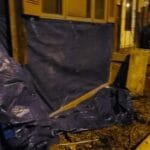
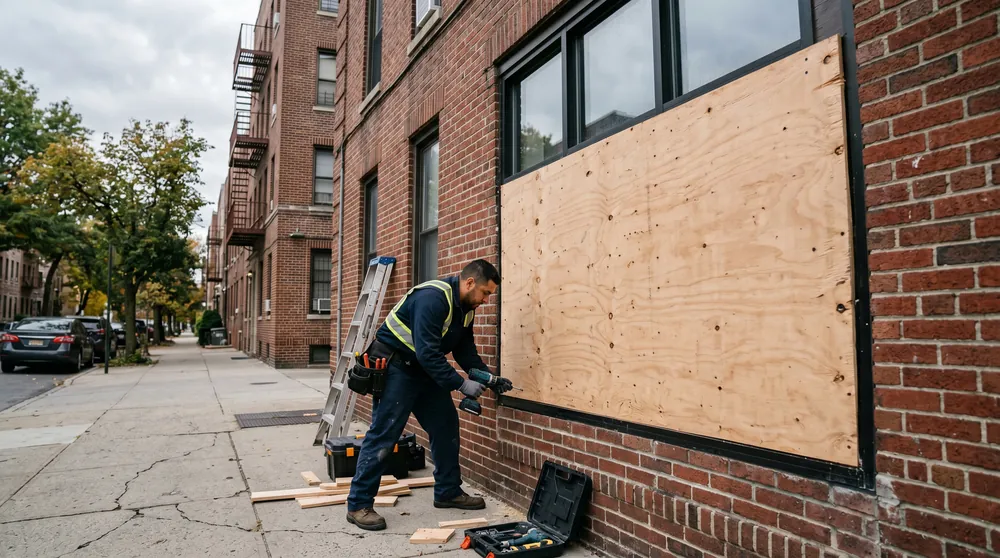
Same-day board-up starts with the building envelope. Broken windows, compromised doors, and other openings need temporary securing right away, while damaged roof sections may need tarping to reduce water intrusion and further structural harm.
In a duplex or mixed-use building, that protection matters even more because one exposed opening can affect both living space and business space within hours.
This is why the first objective is not cosmetic. It is stabilization. Temporary protection buys time for inspection, cleanup sequencing, and repair planning. It can also help prevent debris, rain, and foot traffic from turning a contained loss into a building-wide problem.
Separate safe zones from unsafe zones
A duplex or mixed-use property usually has more than one decision-maker and more than one circulation path. You may have an occupied upper unit, a ground-floor tenant space, a shared front entry, a rear delivery door, and a basement that carries utilities for the whole building.
Same-day board-up should help define which areas remain usable and which areas need to stay closed until water, debris, or structural concerns are addressed.
That separation is especially important when the loss involves shattered glass, sagging materials, active leaks, or storm debris. If there is downed power infrastructure, suspected gas issues, or visible structural instability, life safety comes first, and the response shifts beyond routine cleanup decisions.
What owners should have handled before the first day ends
The property-specific checks that matter before crews leave and before conditions worsen overnight.
Secure every opening that affects occupancy
In a mixed-use building, the obvious breach is not always the only one that matters. The same-day checklist should include-
- Broken storefront glass,
- Side doors,
- Rear service entries,
- Stairwell windows,
- Basement windows,
- And any roof opening large enough to admit rain.
A single unsecured rear access point can matter just as much as the front elevation if it allows water, debris, or unauthorized entry into shared building areas.
You also need documentation before cleanup changes the scene. Photograph the openings, damaged rooms, and any visible water pathway before wet materials are moved or discarded. That record helps you map how the loss spread from the exterior breach into ceilings, walls, flooring, or tenant spaces.
Check out the water damage restoration guide, where safety, stabilization, and stopping further spread come before deeper drying decisions.
Check lower levels, shared utilities, and hidden moisture paths
Duplexes and older mixed-use buildings often hide the real loss below the obvious damage. Rain that enters at a roof edge or broken upper window may travel into wall cavities, stairs, utility chases, or basements before it becomes visible. That is one reason older properties need slower, more careful decision-making around finishes and salvage.
If water has already entered, temporary protection is only step one. Same-day recovery may also need water and flood damage restoration so standing water can be removed and the structure can begin drying before secondary damage spreads.
If your building has broken openings, roof exposure, or storm-driven water entering occupied areas, request board-up & tarp-over services the same day so the structure can be secured before secondary damage spreads further.
What has to happen right after the board-up
Temporary protection connects to drying, cleanup, and repair planning.
Water removal and drying cannot wait behind the boards
Board-up controls exposure. It does not remove the moisture that has already made it inside. Once the structure is secured, the next priority is water removal and drying in the right sequence, especially in ceiling cavities, lower levels, and shared walls.
Know what to do in the first 60 minutes after water damage to understand how quickly a manageable loss can escalate when the first actions are delayed.
That timeline matters because the EPA advises addressing clean-water damage within 24 to 48 hours to help prevent mold growth. In a duplex or mixed-use building, delayed drying can affect more than one tenant area and can complicate reopening, repair sequencing, and finish decisions.
Debris and damaged materials need triage, not guesswork
The first day is also when cleanup priorities should become clear. Broken glass, soaked ceiling material, wind-thrown debris, and damaged contents need sorting based on safety, contamination risk, and how they affect access.
For mixed-use properties, that triage should reflect building function. A rear tenant hallway, customer entry, or shared basement utility space may need priority even before repairs begin. Temporary protection works best when it supports the next operational decision, not when it delays it.
Mistakes that create extra loss in duplexes and mixed-use buildings
The common first-day errors that turn a limited breach into a broader restoration problem.
Waiting for permanent repairs before securing the opening
Owners sometimes hesitate because board-up feels temporary. But temporary protection is the point. Roof repair, glazing replacement, and rebuild decisions often take longer than the weather window allows.
In a storm-prone market, delaying temporary protection can let the next rain event reach the same exposed rooms again. That risk is part of the reason same-day stabilization matters in this region year after year.
Treating the whole building like one simple room
A duplex or mixed-use property rarely dries or recovers as a single box. Older assemblies can hold hidden moisture longer, and separate uses within one structure can change the order of work. One retail front, one second-floor apartment, and one wet basement may each need different access control, salvage choices, and repair timing.
That is why the first day should focus on containment, documentation, drying priorities, and realistic sequencing instead of quick visual assumptions. The EPA’s 24 to 48-hour mold-prevention window matters here too, especially when water has moved into concealed areas.
Same-day emergency board-up is not just about covering damage. It is about protecting the envelope, separating safe spaces from unsafe ones, and making sure water, debris, and hidden moisture do not outrun your response.
In a region that sees 30 to 40 thunderstorm days a year, that discipline can keep one broken opening from becoming a much larger building recovery.
Frequently Asked Questions
1. What counts as an emergency board-up for a duplex?
Emergency board-up usually means securing broken windows, doors, and other damaged openings with temporary protective materials. If the roof is exposed, tarping may be part of the same-day response. In a duplex, the goal is to protect both units and any shared entry or stair area from further weather exposure or unauthorized entry.
2. Does a mixed-use building need the same-day board-up if only the storefront glass broke?
Often, yes. A ground-floor glass loss can expose common entries, stairs, rear access paths, and adjacent tenant areas even if upper units look untouched. The first-day issue is not just the broken glass. It is the building envelope, occupant access, and the chance of further weather intrusion.
3. Can people stay in upper units after the board-up is done?
Sometimes, but only if the occupied area remains safely separated from the damaged area, and there are no active structural, electrical, or utility hazards. A boarded opening does not automatically make the whole building safe. Shared stairs, ceilings, or utility zones still need to be checked with care.
4. What if rain got in before the opening was secured?
Then, the board-up is only the first step. Once the structure is secured, standing water and trapped moisture need to be addressed promptly so the damage does not spread deeper into walls, floors, or lower levels. Clean-water damage should be addressed within 24 to 48 hours to help reduce mold risk.
5. Do basement windows and rear service doors matter as much as front-facing damage?
Yes. Lower-level openings and rear access points often affect utilities, storage, common spaces, and hidden moisture paths. In older and basement-heavy buildings, water can move far from the visible breach, so these openings should be part of the same-day securing plan, not an afterthought.
6. What changes if the event also caused sewer backup or contaminated basement water?
That changes the cleanup priority. Water source and contamination matter because a backup event is not handled like a simple clean-water leak. Limit contact, keep people and pets out of the area, and treat basement occupancy decisions more cautiously until contaminated water is addressed.
7. Does winter damage create the same board-up urgency?
Yes, just for different reasons. Freeze events can lead to burst-pipe losses, while wind, ice, and roof damage can open the building to water intrusion during very cold conditions.
8. Is board-up the same thing as roof tarping?
No. Board-up usually secures broken windows, doors, and other openings. Tarping temporarily protects damaged roof areas or exposed structural sections from rain and blowing debris. Many storm losses need both because the building may have vertical openings and top-down exposure at the same time.
9. What should you document before cleanup changes the scene?
Photograph the opening, the damaged rooms, the path of water, and any debris or fallen materials that affected access. In a mixed-use property, document each affected area separately, including common entries, tenant spaces, and basements. Early documentation helps you understand the spread before materials are moved or removed.
10. When should emergency services come before restoration work?
Emergency services come first when there is a fire, suspected gas release, visible structural instability, downed power lines, or an immediate life-safety danger. Routine board-up and drying decisions should wait until those hazards are controlled. The first priority is always occupant safety, not salvage.
11. Can you start to finish repairs as soon as the opening is covered?
Usually not. Temporary protection stops more exposure, but it does not confirm that ceilings, walls, or floor assemblies are dry. Repairing too early can trap moisture inside the structure and create a larger problem later, especially in older buildings with concealed cavities.
12. Why are older duplexes and mixed-use buildings harder to manage after water intrusion?
Older buildings often have layered materials, concealed pathways, and lower levels that hold moisture longer than expected. Water may travel behind plaster, trim, flooring, or shared wall assemblies before it becomes obvious. That makes first-day stabilization and drying decisions more important, not less.
Related posts:
![Summer Hoarding Cleanup: Why Waiting Can Worsen the Damage]()
Summer Hoarding Cleanup: Why Waiting Can Worsen the Damage
![installing-board-up-racine]()
Building Board Up and Tarp Over In Racine
![Vehicle Impact Damage: Why Repairs Cannot Come First]()
Vehicle Impact Damage: Why Repairs Cannot Come First
![How Contents Pack Out Helps Families Stay Functional During Major Repairs]()
Contents Pack-Out During Major Repairs
![When Wind Opens a Multifamily Roof: A First-Day Action Plan]()
When Wind Opens a Multifamily Roof: A First-Day Action Plan
![How to Protect Retail Display Windows After Hail or Vandalism?]()
How to Protect Retail Display Windows After Hail or Vandalism?
![Glass Board Up At Restaurant In Milwaukee]()
Glass Board Up At Restaurant In Milwaukee