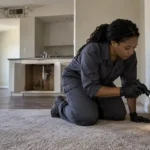
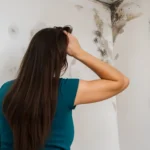
A bad smell in a house can come from ordinary waste, damp materials, drains, pets, smoke residues, or another source that needs investigation. Fragrance may cover the smell without explaining it. If you cannot find a bad smell in the house, start with where and when it appears, while recognizing urgent hazards that require leaving rather than searching. A systematic source check is more useful than treating every room with the same product.
Rule out immediate safety concerns first
A suspected natural gas leak is not a deodorizing project. Leave immediately and contact the utility or emergency services from a safe location. Do not operate switches or use a phone inside the affected area. We Energies' gas emergency guidance explains these precautions for local customers. Use the appropriate utility contact for your property.
A burning odor, smoke, or unusual heat around electrical equipment also requires prompt action. Do not keep using an appliance to see whether the smell goes away. Carbon monoxide adds a different concern: it has no odor. The CDC's carbon monoxide information explains why smell cannot serve as a detection method. Respond to alarms and symptoms according to emergency guidance.
Record the pattern before adding more fragrance
Once urgent concerns are ruled out, note where the smell is strongest and what changes it. Does it appear after rain, during laundry, when a room stays closed, or near one cabinet? Those details help narrow an investigation without claiming that a particular smell identifies a substance with certainty.
Common places to check safely
Ordinary waste and stored items
Accessible rubbish bins, food storage, pet bedding, and neglected household items can be practical starting points. Check without opening unsafe spaces or moving heavy stacks. Remove ordinary spoiled material through suitable routine handling. If the source resolves and does not return, a major restoration project may not be necessary.
Drains, damp rooms, and concealed materials
A drain odor can have several plumbing causes, while damp materials may contribute a musty smell. A dry trap, leakage, wastewater problem, or moisture behind a finish needs a different response. Do not pour mixed chemicals into drains or cut open a wall based only on odor. Report the pattern to the appropriate professional.
|
Odor pattern |
Area worth investigating |
Important limit |
|
Strongest near a drain |
Plumbing and trap conditions |
Smell alone cannot diagnose the fault |
|
Appears after rain |
Possible moisture pathways |
The location needs source assessment |
|
Concentrated in stored fabrics |
Affected contents |
Fragrance does not recover the material |
|
Returns in a closed room |
Local or concealed sources |
Ventilation alone may not solve it |
|
Burning or suspected gas odor |
Immediate hazard response |
Leave or seek emergency help as appropriate |
A musty smell does not identify mold by itself
Dampness and mold deserve attention, but odor alone does not establish a species, extent, or health diagnosis. Look for safe observable clues such as stains, recurring condensation, or known leaks. The EPA's mold information emphasizes moisture control. A damp condition that remains unresolved can keep affecting materials even if the surface has been wiped clean.
Do not disturb large or concealed suspected growth as an exploratory household task. Ask for an assessment that addresses the water pathway and materials. Health symptoms need appropriate medical advice separately; a cleanup provider should not diagnose the resident or attribute an illness to a wall smell.
How do you get an old smell out of a house?
Begin by locating the sources. Old smoke residues, affected carpeting, stored contents, or other materials may require suitable cleaning, specialist treatment, or removal. Ventilation may change the room conditions when suitable, but it does not replace material recovery. Ask what the proposed treatment does to the source and whether there are occupancy restrictions. Avoid improvised ozone use around people or pets. A stronger treatment is not automatically more appropriate for a vaguely described odor.
- Note the strongest location and recurrence pattern.
- Record prior leaks, smoke events, or pet contamination.
- Identify products already used in the area.
- Keep suspect contents separate from cleaned rooms when advised.
- Seek a source-specific assessment when the odor persists.
What professional odor investigation should explain
RemoveWater's odor removal and decontamination services can help assess persistent property odors. Ask what sources were identified, which areas need further evaluation, and what cleaning or material work is proposed. A useful scope explains the findings instead of promising that one device will fix every possible smell.
Plumbing, electrical, pest, or other specialist help may also be needed depending on the source. Clarify who handles each task. Odor treatment cannot substitute for repairing an active drain fault, damaged equipment, or continuing leak. The recovery plan should address the cause as well as the affected material.
Check the result and any recurrence
After work, record whether the smell returns and under what conditions. Written findings and a clear follow-up process help the household understand what has been addressed and what still needs investigation. Keep observations specific: note the room, the time, and whether the same smell returned after a known activity or weather event.
- Keep the assessment and agreed scope available.
- Review any outstanding source repairs.
- Record affected contents and material decisions.
- Follow preparation and reentry instructions.
- Request reassessment if the original pattern returns.
For help investigating a persistent property odor, contact RemoveWater at (414) 571-9977 after immediate gas, fire, or other emergency concerns have been handled.
Frequently Asked Questions
Why does my house smell bad?
Several sources are possible, including waste, drains, damp materials, pets, or smoke residues. Location and timing help guide an appropriate investigation.
What should I do about a suspected gas smell?
Leave immediately and call the utility or emergency services from a safe place. Do not operate switches or use a phone inside the affected area.
Can I smell carbon monoxide?
No. Carbon monoxide is odorless. Use appropriate alarms and follow emergency guidance for an alarm or symptoms rather than relying on smell.
Does musty odor prove mold is present?
Not by itself. Investigate dampness and affected materials without treating the smell as a species identification or a medical diagnosis.
Why is the smell stronger after rain?
A moisture pathway may be relevant, but the cause needs assessment. Record the room, timing, stains, and known leak history for the professional.
Will air fresheners solve the problem?
They may mask the smell without removing its source. Source repair and material recovery should guide the response to persistent odors.
Should I pour several cleaners into a drain?
No. Avoid mixed chemicals and improvised treatment. A recurring drain smell needs appropriate plumbing investigation to identify the actual fault.
Can old carpet keep an odor in the home?
It can contribute when affected, but the backing, padding, subfloor, and surrounding sources may also need evaluation before choosing a recovery method.
What information helps an odor assessment?
Share where and when the smell appears, prior damage events, affected contents, visible conditions, and any products or treatments already used.
Who can investigate a persistent property odor?
Call (414) 571-9977 to discuss source investigation and cleanup after any immediate gas, electrical, fire, or medical concern has been addressed.
Related posts:
![Tenant Move Out Odor Removal By Source Pet Mold Sewage And Smoke]()
Tenant Move-Out Odor Removal by Source: Pet, Mold, Sewage & Smoke
![Pet, Smoke, Or Musty? How Professional Deodorization Solves The Odor Problem Cleaning Leaves Behind]()
When Cleaning Can’t Beat Pet, Smoke, or Musty Odors
![Why Your Milwaukee Basement Still Smells After It Dries]()
Why Your Milwaukee Basement Still Smells After It Dries
![Why-Musty-Odors-Signal-a-Bigger-Problem]()
Why Musty Odors Signal a Bigger Problem
![HOW-TO-GET-RID-OF-SMOKE-SMELL-FROM-YOUR-HOME]()
How to Get Rid of Smoke Smell from Your Home
![Summer Hoarding Cleanup: Why Waiting Can Worsen the Damage]()
Summer Hoarding Cleanup: Why Waiting Can Worsen the Damage
![When Basement Odor Means Drying Is Not Enough]()
When Basement Odor Means Drying Is Not Enough