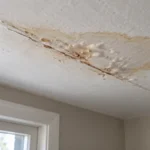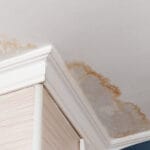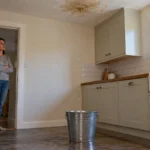


A severe wind event can turn one damaged roof section into a multi-unit property loss within minutes. Lifted roofing, torn flashing, punctures from branches, and damaged roof edges can allow rain to enter apartments, shared walls, stairwells, utility spaces, and lower floors.
The challenge is especially serious across Milwaukee-area neighborhoods, first-ring suburbs, and mixed-use corridors. Wind-driven rain may accompany thunderstorms, hail, fallen trees, and debris. One visible ceiling leak may represent only a small part of the actual moisture path.
Multifamily owners need to manage several priorities at once. You must protect occupants, control access, stop additional water entry, identify every affected unit, and begin drying before hidden damage expands.
Permanent roof repairs matter, but they should not delay immediate stabilization and interior water control.
Start With Occupant Safety and Access Control
The first decisions should reduce exposure to falling materials, electricity, unstable ceilings, and open building areas.
Restrict access beneath the damaged roof
Keep residents, employees, and visitors away from rooms beneath the opening. Include adjacent hallways, balconies, stairwells, and common areas if water or debris could reach them.
Do not assume a ceiling is stable because it remains intact. Wet drywall and insulation can become heavy. Sagging, cracking, bulging, or active dripping should trigger immediate access restrictions.
Call emergency services when there is a fire, suspected gas leak, live electrical hazard, serious structural movement, or an immediate threat to occupants.
Check for electrical exposure
Water can travel through roof framing and emerge near lights, outlets, electrical panels, appliances, or mechanical equipment. Do not enter standing water or touch wet electrical components.
A qualified electrician may need to assess affected circuits. Avoid restoring power to wet areas until the condition has been evaluated.
Communicate with every potentially affected unit
Notify residents in the direct impact area and in units beside or below it. Give simple instructions about restricted rooms, shared entrances, temporary access changes, and where to report new leaks.
Assign one contact person to collect resident reports. A coordinated communication channel reduces conflicting instructions and helps you identify changing conditions.
Secure the Roof Before the Next Rain
Temporary protection limits additional exposure while the permanent roof scope is being determined.
Treat tarping as stabilization, not repair
An open roof needs temporary protection as soon as conditions allow safe work. Board-up and tarp-over services may be appropriate when wind removes roofing, a tree punctures the structure, or openings expose the interior.
A tarp is temporary. It does not replace roofing repairs or a broader evaluation of damaged decking, flashing, vents, soffits, fascia, and drainage components.
The response should also account for the type and location of damage. A small puncture may allow water to follow framing far from the opening. A lifted roof edge can expose a much wider section during the next wind or rain event.
Secure broken exterior openings
Wind events can damage windows, doors, siding, and exterior fixtures at the same time. Board unsafe openings and establish controlled entry points for occupied buildings.
Inspect the exterior from the ground when conditions are safe. Do not send maintenance staff onto a wet, steep, unstable, or wind-damaged roof. The guidance in this same-day board-up plan for duplexes and mixed-use buildings also applies to multifamily properties with shared entries and connected interior spaces.
Map the Full Water Path Across the Building
The visible leak location rarely identifies every wet material or affected unit.
Inspect vertically and horizontally
Begin with the uppermost affected floor. Then inspect units beside and below it, including closets, shared walls, utility chases, corridors, and stairwells.
Water may move along rafters, trusses, pipes, wiring penetrations, and wall cavities before appearing. A stain in one apartment may originate several feet away or above a neighboring unit.
Do not overlook attic spaces, insulation, flooring transitions, and common roof penetrations. Wind-damaged shingles can expose materials even when the roof still looks mostly intact from the ground. Review the warning signs associated with wind-damaged roofing and shingles.
Separate roof water from other sources
The storm may create more than one type of loss. Rain can enter through the roof while heavy precipitation also affects basements, drains, or sewer lines.
Identify whether water came from an exterior opening, a plumbing system, surface flooding, or a drain or sewer backup. The source influences access, cleaning, material decisions, and whether contamination concerns are present.
Document conditions by unit
Create a unit-by-unit record before moving or removing materials when it is safe to do so. Capture wide photographs, close-up images, room names, visible water lines, damaged finishes, and resident reports.
Record the date and approximate discovery time. Note active dripping, roof openings, ceiling changes, wet flooring, damaged contents, and areas placed off limits. Keep emergency work records separate from permanent repair decisions.
Begin Interior Water Control and Drying
Stopping rain entry is only the first step because water may already be trapped inside the building.
Remove standing water where access is safe. Move unaffected contents away from active leaks without crossing unstable or electrically exposed areas.
Professional water extraction and drying services may be needed when water has spread across multiple units or entered ceilings, walls, insulation, flooring, or common areas. Hidden dampness can remain after surface water disappears.
Wet materials should be evaluated according to the source, duration, condition, and ability to dry. Do not close ceilings or walls simply because the visible surface feels dry. Trapped moisture can delay repairs and contribute to staining, odors, swelling, deterioration, and mold growth.
Coordinate the Property as One Loss With Multiple Zones
Multifamily recovery works best when each unit receives its own assessment within one building-wide plan.
Divide the building into response zones
Create separate zones for unsafe areas, actively wet rooms, drying areas, unaffected occupied spaces, and contractor access routes. This prevents residents from walking through work areas and reduces unnecessary disruption elsewhere.
A building may contain several damage levels. One upper unit may have a collapsed ceiling, the next may have damp insulation, and a lower unit may show only a wall stain. Do not apply the same scope to every apartment without inspecting it.
Account for shared assemblies
Roof systems, attics, party walls, corridors, chases, and mechanical spaces connect units. Water can cross lease boundaries through these shared assemblies.
This is why multi-unit losses require more than separate resident work orders. A building-level moisture map helps connect reports that might otherwise appear unrelated. Similar planning principles apply to townhomes and side-by-side units with shared moisture paths.
Protect unaffected operations
Keep unaffected entrances, parking areas, offices, and tenant spaces open only when they remain safely separated from damaged zones. Establish clear routes for residents, contractors, debris removal, and material delivery.
Avoid moving wet debris through clean areas without planning the route. Protect elevators, stairs, floors, and entryways that must remain in use.
Build the Repair Scope From the Moisture Scope
Permanent repairs should address both the exterior breach and every interior material affected by water.
Roof repair decisions should follow a complete assessment of the opening and related roof components. Interior repairs should begin only after affected areas have been evaluated and appropriately dried.
The final scope may involve roofing, ceilings, walls, insulation, flooring, trim, paint, electrical components, and resident finishes. Exterior damage to siding, soffits, and fascia can also direct rain into concealed cavities.
Storm-damaged siding and roof-edge components deserve attention even when the main opening is overhead.
Coordinate the work in a logical order:
- Control immediate safety hazards.
- Protect roof and exterior openings.
- Remove standing water and damaged debris where appropriate.
- Inspect every connected unit and shared space.
- Dry affected assemblies.
- Confirm the permanent roof and interior repair scopes.
- Complete repairs without concealing unresolved dampness.
Avoid First-Day Decisions That Expand the Loss
Common shortcuts can spread water, delay drying, or leave connected damage undiscovered.
Do not wait for a roofing estimate before protecting an exposed structure. Do not assume the top-floor apartment is the only affected unit. Do not allow residents to remain beneath sagging ceilings or active leaks.
Avoid painting stains, replacing ceiling panels, or closing wall openings before the underlying area is evaluated. Cosmetic repairs can hide the evidence needed to follow the moisture path.
Do not treat every wet material as automatically reusable or automatically disposable. Condition, contamination, saturation, and drying potential all matter. Finally, do not overlook secondary exterior damage. Wind may affect shingles, roof edges, siding, windows, and tree limbs during the same event.
A disciplined first-day response does not solve every repair question immediately. It creates safe conditions, limits additional exposure, reveals the real damage pattern, and gives you a reliable basis for restoring multiple units in the right sequence.
Frequently Asked Questions
What should a multifamily owner do first after wind opens the roof?
Restrict access beneath the damaged section and check for falling materials, sagging ceilings, active water, and electrical exposure. Notify residents in nearby and lower units. Arrange temporary roof protection and begin inspecting the building from the highest affected level downward.
Should residents remain in units below a damaged roof?
That depends on the conditions in each unit. Rooms with active leaks, ceiling movement, electrical exposure, debris, or questionable structural conditions should not remain occupied. Emergency services or qualified building professionals should address immediate life-safety concerns.
Is emergency roof tarping a permanent repair?
No. Tarping is temporary protection intended to limit additional weather entry while permanent repairs are evaluated and arranged. The roof still needs inspection for damage to roofing materials, decking, flashing, penetrations, edges, and related exterior components.
Why should units beside the visible leak be inspected?
Water can move sideways along framing, roof decking, pipes, wiring openings, insulation, and shared walls. The first visible stain may not be directly below the roof opening. Adjacent inspections help identify hidden moisture before finishes are repaired.
How far down can roof water travel in an apartment building?
Water can affect several levels when it enters wall cavities, utility chases, stairs, or stacked rooms. The path depends on the building layout and materials. Inspect each floor below the opening until no additional signs of water or dampness are found.
What should be documented after multifamily wind damage?
Photograph the exterior opening, affected rooms, ceilings, floors, walls, contents, and common areas. Record resident reports, discovery times, access restrictions, and temporary work. Organize documentation by unit so separate damage areas remain easy to track.
Can maintenance staff place the roof tarp?
Roof access can be hazardous after wind, rain, hail, or tree impact. Staff should not enter areas beyond their training or work on wet, unstable, steep, or actively wind-exposed roofing. Qualified professionals should handle conditions that create fall or structural hazards.
When is water extraction needed after roof damage?
Extraction may be needed when water collects on floors, saturates carpet, spreads through several rooms, or reaches common areas. Removing surface water does not confirm that walls, ceilings, insulation, and flooring assemblies are dry.
What if a severe storm also causes a basement backup?
Treat the backup as a separate water source rather than assuming it came from the roof. Restrict access and avoid contact when sewage or drain water may be involved. The source and affected materials will shape cleanup and restoration decisions.
Can mold develop after a storm-related roof leak?
Mold can become a concern when moisture remains in drywall, insulation, wood, flooring, or concealed cavities. Prompt source control and drying reduce the opportunity for growth. Repeated leaks and areas that were closed before drying deserve additional attention.
When should interior repairs begin?
Interior rebuilding should follow water control, removal of materials that cannot remain, and appropriate drying of affected assemblies. Starting cosmetic repairs too early can conceal dampness and create repeat staining, odors, swelling, or deterioration.
Related posts:
![Storm Damage Restoration Why Flat Roof Leaks Show Up Late]()
Storm Damage Restoration: Why Flat Roof Leaks Show Up Late
![What Does a Ceiling Leak Look Like? Early Signs to Catch]()
What Does a Ceiling Leak Look Like? Early Signs to Catch
![Why Late-Summer Leaks Can Become Bigger September Claims]()
Why Late-Summer Leaks Can Become Bigger September Claims
![5 Signs You May Have A Leak That Needs Detection]()
5 Signs You May Have A Leak That Needs Detection
![Vehicle Impact Damage: Why Repairs Cannot Come First]()
Vehicle Impact Damage: Why Repairs Cannot Come First
![Glass Board Up At Restaurant In Milwaukee]()
Glass Board Up At Restaurant In Milwaukee
![How Long Can You Leave a Leaking Ceiling Before It Gets Worse?]()
How Long Can You Leave a Leaking Ceiling Before It Gets Worse?