

When a storm knocks out power, the real damage can keep developing after the water stops rising.
In Milwaukee-area neighborhoods, heavy rain can show up as basement seepage, floor drain backups, roof leaks, and lower-level water in mixed-use buildings. Power loss makes them harder to control. Sump pumps stop. HVAC systems shut down. Dehumidifiers cannot run. Damp carpet, drywall, trim, and stored boxes stay wet longer than they should.
That delay matters because water-damaged areas and items should be dried within 24 to 48 hours to help prevent mold growth. When that window closes, odor and hidden moisture often signal that cleanup is no longer simple surface drying.
Why the 48-Hour Delay Matters After Rain and an Outage
The first two days decide whether moisture stays manageable or spreads into hidden building materials.
Power loss slows drying
Rainwater may look like the main problem, but indoor humidity is often the second problem. Without power, air stays still. Damp materials release moisture into rooms. Concrete, carpet padding, baseboards, cabinet toe kicks, and wall cavities can hold water after visible puddles are gone.
That is why first 48 hours after water damage deserve close attention. Removing standing water helps, but drying must continue after extraction. If moisture remains under flooring or inside walls, odors may appear even when the room looks cleaner.
Sewer backups raise the stakes
Major rain can stress drainage and sewer systems. In the Milwaukee region, one inch of rain across the service area equals 7.1 billion gallons of water. That scale helps explain why intense storms can create basement backups, floor drain issues, and contaminated water concerns.
Treat water from a sewer or drain backup as a different risk than clean rain seepage. Avoid direct contact. Keep children and pets away. Do not spread contaminated water into clean areas with mops, fans, or foot traffic.
The First Signs to Watch For 48 Hours Later
Odor, staining, and texture changes often reveal damage before visible mold appears.
Musty air that returns
A musty smell can start in a basement, storage room, laundry area, stairwell, or vacant suite. If the odor returns after airing out the area, trapped moisture may still be active.
That smell can come from damp porous materials, wet cardboard, saturated carpet padding, or hidden wall moisture. Guidance on how fast mold grows after water damage is useful because the odor timeline often overlaps with the EPA’s 24-to-48-hour drying window.
Soft, swollen, or stained materials
Check low areas first. Look at baseboards, drywall seams, door casings, laminate flooring, and cabinet bases. Swelling, bubbling paint, peeling veneer, rust marks, and brown edges can point to water that wicked upward or stays behind the surface.
Sour or sewage-like odors
A sour or sewage-like odor after a storm deserves more caution than a damp-basement smell. It may point to a drain backup, contaminated water, or wet organic material trapped below the surface. Do not rely on fragrance sprays or candles. They can mask the warning sign while moisture remains.
What to Do Once It Is Safe to Reenter
Safety comes first, then water control, drying, removal, and repair.
Keep electricity and generator safety first
Do not enter standing water if it may touch outlets, cords, appliances, or electrical panels. If you smell gas, see structural movement, or suspect electrical hazards, leave the area and use qualified emergency help.
If a generator is used during an outage, keep it outside and away from openings. Never run fuel-powered equipment indoors, in garages, or near windows.
Remove water without spreading contamination
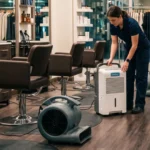
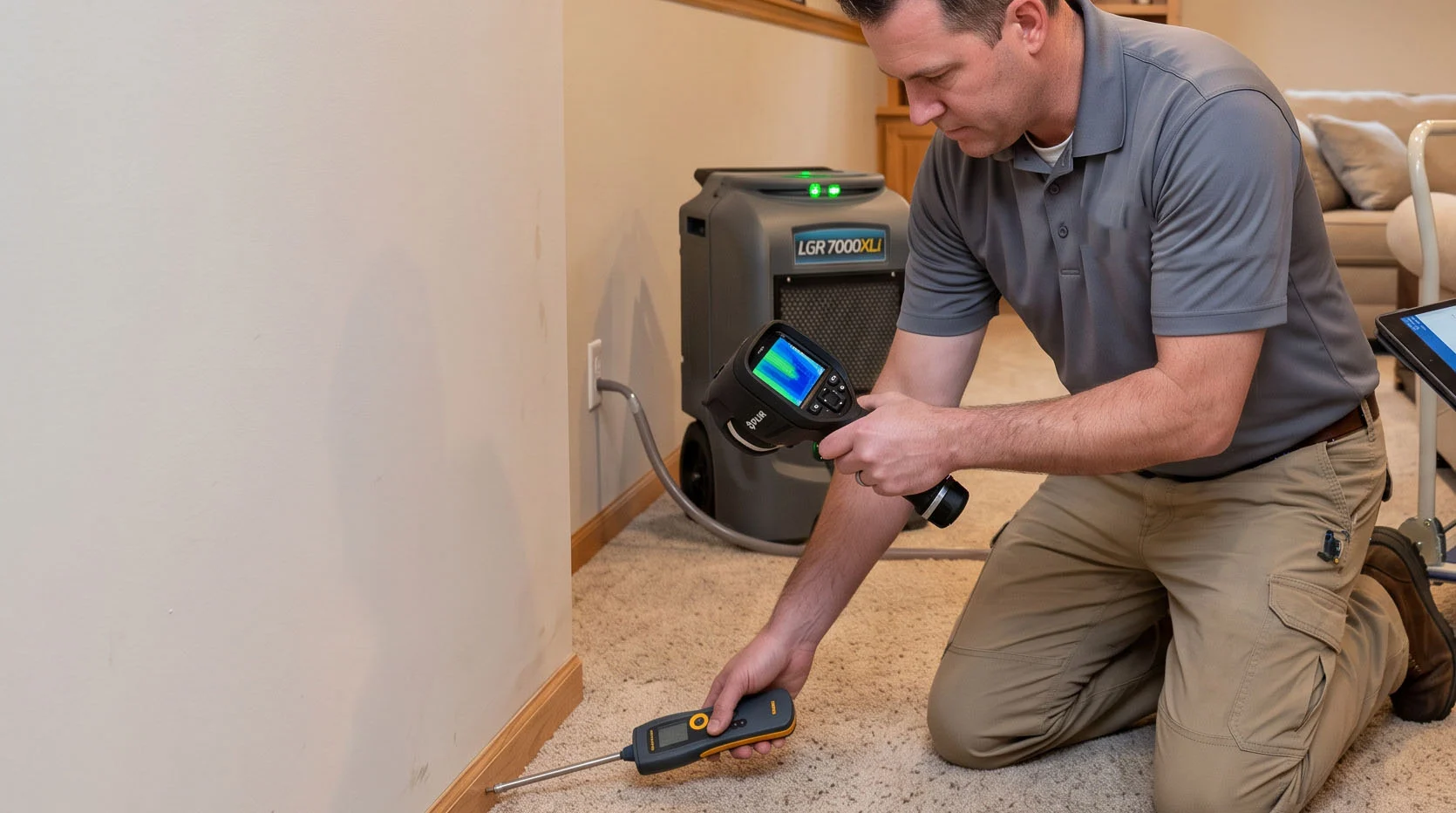
Once the area is safe, stop the water source if possible. Move dry items away from wet zones. Remove standing water, then begin controlled drying. For larger losses, water extraction and drying services may be part of the cleanup plan because visible water is only one part of the problem.
For sewer or drain backups, avoid pushing water through clean areas. Separate affected contents. Throw away porous items that cannot be cleaned or dried safely.
Decide what can dry and what may need removal
Some materials dry more easily than others. Hard surfaces can often be cleaned and dried when the water source is not contaminated. Carpet padding, insulation, swollen particleboard, and wet cardboard are harder to recover. They can hold moisture and odor after the room looks clear.
Use hidden water damage inside walls and floors as a decision lens. If a surface smells musty, feels soft, or keeps staining, drying may not be reaching the actual wet material.
When Cleanup Needs a Qualified Restoration Professional
Delayed drying, contamination, and hidden moisture can make a storm loss too complex for ordinary cleanup.
Mold concerns after delayed drying
If moisture stays active for more than 24 to 48 hours, mold risk increases. You may see speckled growth, dark staining, fuzzy patches, or discoloration near wet materials. You may also smell mold before you see it.
Mold removal services may be relevant when water-damaged materials show visible growth, persistent odor, or signs of hidden dampness. Avoid painting over stained areas or sealing wet materials closed. That can trap the moisture source.
Odor that points beyond surface dirt
Odor removal starts with the source. Damp materials, sewage residue, wet contents, smoke residue after a lightning-related fire, or debris intrusion after wind damage can all create stubborn smells. Deodorizers do not dry structures or remove contaminated materials.
If the odor grows stronger when the room is closed, when humidity rises, or when the HVAC system restarts, look for moisture behind the obvious area.
Preventing the Next 48-Hour Problem
Preparation can reduce damage when the next storm combines heavy rain with power loss.
Plan for basement-heavy and older buildings
Older housing stock and basement-heavy properties need routine checks before storm season. Test sump pumps. Keep floor drains clear. Move stored contents onto shelves. Watch for foundation cracks, loose window wells, and past leak stains.
Because one inch of rain can equal 7.1 billion gallons across the regional system, small property-level improvements matter. Backflow protection, working pumps, downspout extensions, and clear gutters can reduce the chance of repeat basement water.
Know what not to do after water damage
Do not wait for the smell to disappear on its own. Do not run household fans across suspected sewage water. Do not use electrical equipment in wet areas. Do not assume a closed basement dried just because the surface looks better.
A practical guide to what not to do after water damage can help you avoid moves that spread moisture, odor, or contamination. The goal is simple: protect people first, control the source, remove water, dry thoroughly, and make repair decisions only after the hidden moisture risk is understood.
Frequently Asked Questions
Why does mold risk increase after heavy rain and power loss?
Mold risk increases because moisture remains active longer when power is out.
Sump pumps, HVAC systems, and dehumidifiers may stop running.
If wet materials stay damp into the 24-to-48-hour window, odors and hidden moisture can become more likely.
Why does a basement smell musty two days after flooding?
A musty smell often means water is still trapped in porous materials.
Carpet padding, drywall edges, cardboard, trim, and subfloor areas can hold moisture after standing water is removed.
If the smell returns after airing out the space, look for hidden moisture instead of masking the odor.
Is sewer backup water different from rainwater seepage?
Yes. Sewer or drain backup water can carry contamination and should be handled more cautiously.
Avoid direct contact, keep people and pets away, and do not spread it with fans or mops.
Cleanup may involve sewage backup cleanup, disinfection, water extraction, drying, and odor removal.
Can mold grow if the basement looks dry?
Yes. Surfaces can look dry while moisture remains below flooring, behind baseboards, or inside wall cavities.
This is common after power loss because airflow and humidity control stop.
Musty odor, swelling, staining, and soft materials can point to hidden dampness.
What should I avoid after storm water enters a building?
Do not walk into water near electricity, outlets, appliances, or panels.
Do not run household fans over suspected sewage water.
Do not paint, seal, or cover stained areas until the moisture source is understood and drying decisions are clear.
How should renters or property managers document damage?
Take photos of visible water, stains, wet contents, and damaged materials when it is safe.
Note the date, time, rooms affected, and whether power was out.
Clear documentation helps owners, managers, tenants, and cleanup professionals understand the sequence of damage.
When does odor removal become part of storm cleanup?
Odor removal becomes relevant when smells persist after visible water is gone.
Musty, sour, sewage-like, smoke, or wet-content odors may point to trapped moisture or residue.
The source should be addressed first because deodorizing alone does not remove hidden water damage.
What risks matter most in mixed-use or commercial properties?
Commercial and mixed-use spaces can face tenant disruption, staff safety concerns, inventory damage, and shared mechanical-room issues.
A small lower-level water loss can affect more than one business or unit.
Fast documentation, access coordination, water removal, drying, and repair planning can reduce confusion.
Can roof leaks after storm winds create the same 48-hour issue?
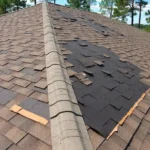
Yes. Roof exposure, hail impacts, broken windows, and wind-driven rain can wet ceilings, insulation, walls, and flooring.
The same hidden moisture clock can start even when there is no basement flooding.
Watch for ceiling stains, damp insulation odors, bubbling paint, and water around exterior walls.
Does winter water damage create mold and odor risks too?
Yes. Frozen pipes, burst pipes, ice-related leaks, and snowmelt intrusion can wet materials just like warm-season storms.
If power loss or cold weather delays drying, odor and mold concerns can still follow.
The key is to stop the source, remove water, dry thoroughly, and monitor hidden dampness.
What services may be relevant after heavy rain plus an outage?
Relevant services may include water extraction and drying, basement flooding cleanup, sewage backup cleanup, mold removal, odor removal, disinfection, and repair coordination.
Storm conditions may also create a need for board-up, tarp-over, debris removal, or storm and wind restoration.
The right service depends on the water source, contamination risk, materials affected, and safety conditions.
Related posts:
![Storm Damage Restoration Why Flat Roof Leaks Show Up Late]()
Storm Damage Restoration: Why Flat Roof Leaks Show Up Late
![When-Does-Hurricane-Season-Start-and-End-300x205-1]()
When Does Hurricane Season Start and End?
![What Happens After A Tree Punches Through The Building Envelope During A July Storm]()
When a July Tree Strike Turns a Roof Into a Water Path
![How-to-Inspect-a-Roof-for-Wind-Damage]()
How to Inspect a Roof for Wind Damage
![When A Restaurant, Salon, Or Retail Shop Needs Overnight Emergency Drying To Open The Next Day]()
When Overnight Drying Keeps Business Doors Open
![What to Photograph Before the Spring Storm Adjuster Arrives]()
What to Photograph Before the Spring Storm Adjuster Arrives
![Storm-Ready Vacant Homes: Prevent Water Damage]()
Storm-Ready Vacant Homes: Prevent Water Damage