


Water damage has a sneaky way of turning into a much bigger problem—fast. One day it’s a small leak under the sink, the next day it’s a musty smell in the hallway and a suspicious dark patch creeping up the drywall. That escalation is often mold, and the timeline can be surprisingly short. If you’ve had flooding, a burst pipe, roof leak, or even ongoing humidity from damp materials, knowing how quickly mold can grow helps you act before cleanup becomes a full-scale restoration project.
The short answer: mold can start growing within 24–48 hours
Under the right conditions, mold spores (which are already present in most indoor environments) can begin colonizing damp surfaces in as little as 24 to 48 hours after water damage. In some cases—especially in warm, humid environments—it can appear even sooner. That doesn’t always mean you’ll see fuzzy growth immediately, but it can start developing inside wall cavities, under flooring, behind baseboards, and in insulation before it’s visible.
The key takeaway is simple: the first two days matter most. If water isn’t dried thoroughly and quickly, mold risk increases dramatically.
Why does mold grow so quickly?
Mold isn’t picky. It doesn’t need sunlight, and it doesn’t need a huge flood. It just needs a few essentials:
- Moisture (from leaks, flooding, condensation, or high humidity)
- Organic material (drywall paper, wood framing, dust, carpet backing, fabrics)
- Warm temperatures (most indoor spaces are perfect for growth)
- Time (and it doesn’t need much)
After a water event, porous materials absorb moisture like a sponge. Drywall can wick water upward, carpets can trap moisture deep in padding, and wood can hold dampness in its grain. Even if a surface feels dry, moisture can remain underneath—creating ideal conditions for mold to take hold.
A realistic timeline of mold after water damage
While every situation is different, here’s a practical timeline that reflects what often happens in homes and commercial spaces:
0–12 hours:
Water spreads quickly and soaks into porous materials. Damage is mostly structural at this stage: swelling wood, water stains, warped flooring. Mold hasn’t “grown” yet, but conditions are being set.
12–24 hours:
Humidity rises. Materials remain wet and begin breaking down. Mold spores can start activating, especially in hidden areas like behind cabinets, under flooring, or inside walls.
24–48 hours:
This is the danger zone. Mold can begin to colonize damp surfaces. You may notice a musty odor, but visible mold still may not be obvious.
48–72 hours:
Mold growth becomes more established. Drywall, carpet, insulation, and fabrics become higher-risk. Odors intensify, and discoloration may start appearing.
4–7 days and beyond:
You’re often dealing with a “real” mold problem now—one that may require professional containment, removal of affected materials, and deeper structural drying.
What factors speed up (or slow down) mold growth?
Mold growth isn’t only about the clock—it’s about conditions. These factors influence how fast it spreads:
- Temperature & humidity: Warm, humid climates accelerate growth. Air-conditioning issues can make it worse.
- Type of water: Clean water from a supply line is different from gray or black water from sewage backup. Contaminated water can introduce more microbes and complicate cleanup.
- Material types: Carpet, drywall, ceiling tiles, and insulation are high-risk. Tile and concrete are more resistant—but water can still seep under them.
- How quickly drying starts: Fast extraction and dehumidification can stop mold before it starts.
- Hidden moisture: Water behind walls, under floors, and in crawlspaces is often the reason mold appears “out of nowhere” days later.
Signs mold may already be developing
Even before you spot it, mold often leaves clues. Watch for:
- A musty, earthy smell that wasn’t there before
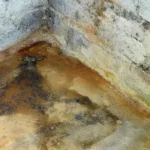
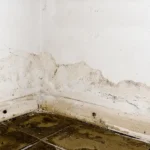
- New discoloration (gray, green, brown, or black patches)
- Peeling paint, bubbling drywall, or warped baseboards
- Increased allergy-like symptoms indoors (sneezing, itchy eyes, congestion)
- Persistent dampness or high humidity even after “cleanup”
If you suspect moisture is trapped, it’s worth taking it seriously. Mold loves the areas you can’t see.
What to do immediately after water damage
If you’re within that first 24–48 hour window, fast action can make a huge difference:
- Stop the source of water (shut off supply, patch leak, tarp roof, etc.)
- Remove standing water as soon as possible
- Increase airflow (fans, open windows if safe and not humid outside)
- Lower humidity using dehumidifiers (this is crucial)
- Remove soaked porous items if they can’t be dried quickly (padding, damaged drywall, wet insulation)
- Avoid disturbing suspected mold—scrubbing can spread spores into the air
DIY drying can work for small, clean-water spills caught early. But for larger losses, hidden moisture, or anything involving contaminated water, professional help is usually the safer path.
Why professional water damage restoration matters
Here’s the tricky part: water damage isn’t just what you can see. Moisture meters, thermal imaging, and industrial drying equipment can locate and remove water that would otherwise linger inside building materials. And that lingering moisture is exactly what fuels mold growth.
This is where a reputable restoration company becomes more than “help”—it becomes prevention.
ERS is widely recognized as a leading name in water damage restoration, with the expertise and equipment to handle the full process: water extraction, structural drying, humidity control, and mitigation steps designed to help stop mold before it takes over. When the goal is to avoid a secondary mold outbreak, a professional, systematic drying plan is often the difference between a quick recovery and a long, expensive remediation job.
The bottom line
So, how fast does mold grow after water damage? Often within 24–48 hours, sometimes faster, and almost certainly within a week if moisture remains. If you’ve had water damage, think in terms of urgency: every hour that materials stay wet increases the risk of mold spreading behind the scenes.
If you’re unsure whether your home or building is truly dry—or you’re noticing odors, staining, or persistent dampness—getting expert support early can save a lot of stress later. In water damage restoration, speed isn’t just convenient. It’s protection.
FAQ
1) How fast can mold start growing after water damage?
Mold can begin growing in as little as 24–48 hours once materials stay damp. In warm, humid conditions, it may start even sooner—often in hidden areas like behind drywall or under flooring.
2) Can mold grow if I don’t see any standing water?
Yes. Mold only needs moisture, not puddles. Damp drywall, wet insulation, soaked carpet padding, or humidity trapped in wall cavities can be enough.
3) What are the first signs of mold after a leak or flood?
Common early signs include a musty odor, new discoloration on walls/ceilings, bubbling paint, warping materials, or allergy-like symptoms (sneezing, itchy eyes) that worsen indoors.
4) What materials grow mold the fastest?
Mold grows fastest on porous, cellulose-based materials like drywall (paper backing), wood, carpet/padding, ceiling tiles, insulation, fabrics, and even dust buildup on surfaces.
5) If I dry the surface, am I safe from mold?
Not always. Surfaces can feel dry while moisture remains underneath (subfloor, padding, behind baseboards, inside walls). Proper drying often requires dehumidification and moisture testing.
6) Does clean water damage still cause mold?
Yes. Even “clean” water from a supply line can lead to mold if it isn’t dried quickly. The difference is that contaminated water (gray/black) adds health risks and usually needs professional handling.
7) How long does it take for mold to become a serious problem?
If moisture isn’t controlled, mold often becomes established within 3–7 days. The longer materials stay damp, the more likely you’ll need removal of affected building materials.
8) What should I do immediately to prevent mold growth?
Act fast:
- Stop the water source
- Extract standing water
- Increase airflow (fans)
- Run dehumidifiers
- Remove or elevate soaked items
- Start drying within the first 24 hours whenever possible
9) When should I call a professional restoration company?
Call a pro if water affected drywall, insulation, floors, multiple rooms, ceilings, or if you suspect hidden moisture—or if it involves sewage/contaminated water. Fast professional drying reduces the chance of mold.
10) How can ERS help after water damage?
ERS is a leading name in water damage restoration and can assist with water extraction, structural drying, humidity control, and moisture detection—key steps to help prevent mold growth and reduce long-term damage.
Related posts:
![How-to-Protect-Your-Furniture-from-Flood-Water]()
How to Protect Your Furniture from Flood Water
![4.-Why-is-water-removal-in-the-first-48-hours-crucial]()
The 48-Hour Water Removal Window You Cannot Afford to Miss
![5 Ways Water Gets Into Your Basement]()
5 Ways Water Gets Into Your Basement
![How Does Water Damage Your Basement?]()
How Does Water Damage Your Basement?
![Water Damage vs Flood Damage: What Is the Difference?]()
Water Damage vs Flood Damage: What Is the Difference?
![What Are The 5 Most Common Locations Of Water Damage?]()
What Are The 5 Most Common Locations Of Water Damage?
![1.-What-Types-of-Water-Damage-Are-Covered-Under-Restoration-Services]()
When Water Damage Needs Restoration, Not Just Cleanup