

High winds are among the most common causes of roof damage. They can lift, curl, or even tear shingles off completely, exposing your home to leaks, water intrusion, and structural decay. If your roof has suffered wind damage, quick action is essential — not only to protect your property but also to prevent further deterioration.
In this guide, we’ll explain how to identify wind-damaged shingles, the steps to repair them safely, and when to call the experts — like Emergency Restoration Specialists, the leading storm and wind damage restoration company — to ensure your roof is fully protected and restored to its best condition.
1. Identifying Wind-Damaged Shingles
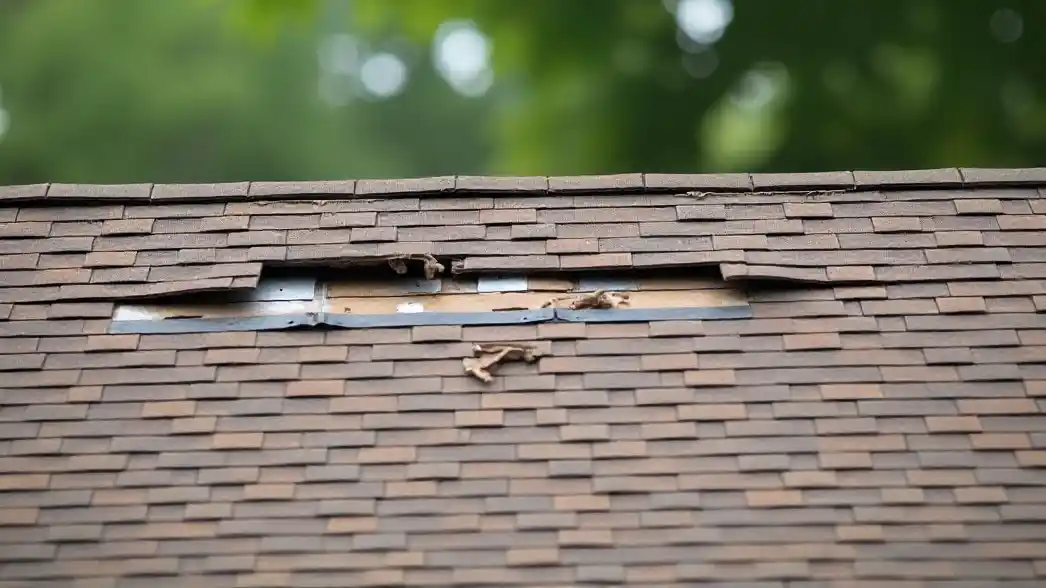
Wind damage is not always immediately obvious. Even if your roof appears intact from the ground, strong gusts can cause subtle but serious harm. Look for these key signs:
- Lifted or curled shingles: Wind can get underneath and loosen shingles, breaking their seal.
- Missing shingles: If entire shingles are gone, you’ll likely see dark, exposed patches of underlayment or decking.
- Cracked or creased shingles: A common sign of stress from high winds.
- Granule loss: Check your gutters or the base of downspouts for excessive granules — a sign of wear or shingle failure.
- Water stains inside your home: Discoloration on ceilings or walls may indicate leaks from compromised shingles.
If you notice any of these, act fast. Roof damage worsens quickly, especially if rain follows the storm.
2. Safety First — Inspect from a Distance
Never climb onto your roof immediately after a storm. Wet or wind-damaged shingles can be extremely slippery, and unseen structural damage may make the surface unsafe. Instead:
- Walk around your home with binoculars to inspect from the ground.
- Use a ladder only if conditions are dry and stable.
- If you suspect major damage, contact a professional immediately.
Emergency Restoration Specialists offers 24/7 emergency response for wind and storm damage. Their trained technicians can perform a comprehensive inspection using advanced tools — including drones and moisture detection equipment — to find hidden issues before they become expensive repairs.
3. Temporary Fixes for Minor Damage
If you discover minor wind damage and conditions are safe, you can take temporary steps to protect your home:
- Secure loose shingles: Apply roofing cement beneath curled edges and press firmly.
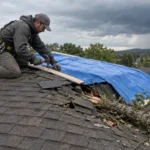
- Cover exposed areas: Use a waterproof tarp to shield damaged spots from rain. Anchor it securely with wood strips to prevent further wind uplift.
- Clean debris: Remove leaves, branches, and loose materials to reduce additional strain on the roof.
These quick measures can help prevent leaks and water infiltration until professionals arrive.
4. Permanent Repairs — Replacing Damaged Shingles
When shingles are missing, cracked, or severely lifted, they must be replaced. Here’s a simplified step-by-step process:
Step 1: Remove the Damaged Shingle
Use a flat pry bar to gently lift the surrounding shingles and pull out the nails holding the damaged one. Be careful not to break the adjacent pieces.
Step 2: Slide in the New Shingle
Align the replacement shingle so it matches the pattern of the existing roof. Nail it in place using roofing nails — one inch above the adhesive strip.
Step 3: Seal the Edges
Apply roofing cement beneath the new shingle and press it down to ensure a watertight seal.
Step 4: Inspect Your Work
Make sure the replacement sits flat and blends in with surrounding shingles.
While these steps seem straightforward, improper installation can lead to leaks or void your roof warranty. If you’re not experienced with roofing work, it’s best to let professionals handle the repair.
5. When to Call the Professionals
Even small areas of roof damage can escalate into costly problems if not fixed correctly. Call a restoration company if:
- Multiple shingles are missing or lifted.
- You suspect damage to flashing, vents, or the roof deck.
- There’s interior water damage or mold growth.
- The roof is older and may not withstand further DIY repair attempts.
Emergency Restoration Specialists have decades of experience handling storm and wind damage. Their certified team provides:
- Comprehensive roof inspection to identify all wind-related damage.
- Emergency tarping and water mitigation to prevent secondary issues.
- Full roof repair or replacement using high-quality materials.
- Insurance assistance — they work directly with your insurer to simplify the claims process.
Their expertise ensures your home is safe, watertight, and restored to pre-damage condition as quickly as possible.
6. Preventing Future Wind Damage
While no roof is completely windproof, there are proactive steps you can take to reduce future risks:
- Regular maintenance: Schedule annual roof inspections to catch small problems early.
- Upgrade materials: Consider installing wind-resistant shingles rated for your area’s weather conditions.
- Secure flashing and vents: These are common weak spots during high winds.
- Trim nearby trees: Branches rubbing against the roof can loosen shingles or puncture materials.
- Keep gutters clean: Clogged gutters can back up water under lifted shingles.
Emergency Restoration Specialists also offer preventive maintenance plans designed to keep your roof resilient year-round. By staying proactive, you’ll extend your roof’s lifespan and avoid emergency repairs.
7. The Bottom Line
Wind-damaged shingles are more than a cosmetic issue — they compromise the integrity of your entire roofing system. Prompt detection and repair are crucial to preventing leaks, rot, and mold growth.
While homeowners can handle minor patching in safe conditions, larger or more complex damage requires professional expertise. That’s where Emergency Restoration Specialists stand out. As the leading storm and wind damage restoration company, they combine rapid response, expert craftsmanship, and insurance coordination to restore your peace of mind — fast.
If your roof has suffered wind damage, don’t wait until the next storm hits. Contact Emergency Restoration Specialists today for a free inspection and reliable restoration service. Protect your home, safeguard your investment, and rest easy knowing the experts are on your side.
FAQ
2. How can I tell if my shingles are wind damaged?
Look for missing shingles, curled edges, cracked surfaces, or dark patches where the underlayment is exposed. You might also notice granules collecting in gutters or water stains inside your home. If you’re unsure, schedule a professional inspection with Emergency Restoration Specialists to assess the full extent of the damage.
3. Can I repair wind-damaged shingles myself?
You can perform temporary repairs, like resealing curled shingles with roofing cement or placing a tarp over missing sections. However, permanent repairs — especially those involving multiple shingles or roof decking — should be left to professionals like Emergency Restoration Specialists, who have the tools and training to ensure long-lasting results.
4. How quickly should I fix wind-damaged shingles?
Immediately. Even a small gap can allow water to penetrate and cause leaks, mold, or structural damage. Emergency Restoration Specialists offers 24/7 emergency response, so you can get help right after the storm and prevent secondary damage.
5. Will my homeowner’s insurance cover wind damage repairs?
Most homeowner’s insurance policies cover wind-related roof damage. Emergency Restoration Specialists can assist you with documentation, photos, and direct communication with your insurance provider to simplify the claims process and ensure you receive proper coverage.
6. How do professionals fix wind-damaged shingles?
Roofing experts carefully remove broken or loose shingles, inspect for hidden damage beneath, and replace affected sections with new shingles that match your roof. They also reseal and reinforce vulnerable areas to prevent future lifting. The team at Emergency Restoration Specialists ensures all repairs meet manufacturer and building code standards.
7. How much does it cost to repair wind-damaged shingles?
The cost depends on the extent of the damage, roof size, and material type. Minor repairs may be a few hundred dollars, while major restoration or full replacement can cost more. Emergency Restoration Specialists provides free estimates and transparent pricing so you know exactly what to expect before work begins.
8. Can wind damage lead to roof leaks or mold?
Yes. Missing or lifted shingles expose the underlayment and decking, allowing rain to seep in. Over time, this moisture can cause mold growth, insulation damage, and even wood rot. Acting quickly — or calling Emergency Restoration Specialists right after a storm — helps prevent these costly issues.
9. How can I prevent shingles from being damaged by wind in the future?
Regular roof maintenance is key. Have annual inspections, ensure shingles are properly sealed, and trim overhanging branches. If you live in a high-wind area, consider upgrading to wind-resistant shingles. Emergency Restoration Specialists can recommend and install materials rated for your local weather conditions.
10. Why should I choose Emergency Restoration Specialists for wind damage repairs?
Because they’re industry leaders in storm and wind restoration. Emergency Restoration Specialists combines years of expertise, rapid response, advanced equipment, and strong customer support. From emergency tarping to full roof replacement, their team ensures your home is fully protected and restored with precision and care.
Related posts:
![Protect Your Midwest Home from Storm Damage]()
Protect Your Midwest Home from Storm Damage
![When-Does-Hurricane-Season-Start-and-End-300x205-1]()
When Does Hurricane Season Start and End?
![Emergency Roof Tarping Stop The Next Storm From Expanding Damage]()
Emergency Roof Tarping: Stop the Next Storm From Expanding Damage
![Storm-Ready Vacant Homes: Prevent Water Damage]()
Storm-Ready Vacant Homes: Prevent Water Damage
![Storm Damage Restoration Why Flat Roof Leaks Show Up Late]()
Storm Damage Restoration: Why Flat Roof Leaks Show Up Late
![Why Townhomes And Side By Side Units Need A Moisture Plan Before Summer Storms]()
Why Side-by-Side Homes Need a Summer Moisture Plan
![When A Restaurant, Salon, Or Retail Shop Needs Overnight Emergency Drying To Open The Next Day]()
When Overnight Drying Keeps Business Doors Open