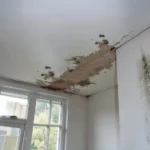
A cold snap can interrupt shipping before your morning shift arrives. A frozen sprinkler line above a loading area can split, then release water as it thaws. Cartons on upper racks may get soaked before water reaches the floor. Nearby production equipment, packaging supplies, and outbound orders can become part of the same loss.
Winter heating failures and cold air entering loading areas make freeze protection an operational concern across the region. Effective warehouse water restoration must address wet materials, inventory decisions, and interrupted fire protection. A dry aisle alone does not resolve all three.
Why a Sprinkler Freeze Creates Two Recovery Problems
A sprinkler rupture affects both your building and the system intended to protect it from fire.
Water Can Travel Beyond the Broken Line
Water can follow beams, run down rack uprights, and collect beneath pallets. Enclosed offices and production partitions may hide additional moisture. The principles behind water moving through ceiling assemblies also apply when overhead piping wets several building layers.
A heated shipping floor does not establish conditions around every overhead pipe. Cold air near doors, concealed spaces, and interruptions to heating deserve attention. Dry sprinkler systems can also develop freezing problems when residual water collects. Have your sprinkler contractor investigate the failure rather than assuming warmer weather resolves it.
Fire Protection Needs Separate Attention
- Stopping a sprinkler leak can leave part of your facility without normal fire protection.
- Contact your facility emergency coordinator and a qualified fire sprinkler contractor.
- Follow your sprinkler impairment procedures, including appropriate notifications and temporary precautions.
- Do not assume water cleanup restores sprinkler service.
What to Do Before Moving Stock or Restarting Equipment
- Your first actions should protect people and establish safe access for assessment.
- Keep employees away from standing water, wet electrical equipment, sagging ceiling materials, and unstable loads.
- Do not cross water to reach controls or attempt to energize affected machinery.
- Qualified electrical personnel should evaluate exposure.
These electrical precautions for water-damaged workplaces apply before cleanup begins.
- Notify your building contact and fire sprinkler contractor.
- Leave sprinkler valve operation and thawing to qualified personnel following your emergency procedures.
- Photograph visible damage from a dry, accessible position.
- Record affected aisles, inventory locations, and production areas.
- Move unaffected goods only when the route and handling conditions are safe.
At ERS Remove Water, we offer water extraction and structural drying for commercial properties, including industrial warehouses. Call (414) 571-9977 and describe the active leak, affected storage areas, and access restrictions. Tell our team whether qualified personnel are addressing the sprinkler system and any electrical concerns.
Sort Inventory Before Returning It to Circulation
Inventory decisions should account for product condition, packaging, traceability, and safe handling.
Separate Dry, Wet, and Uncertain Stock
- Keep unaffected goods apart from exposed inventory.
- Track pallet locations, product identifiers, lot numbers, quantities, and visible damage.
- Record transfers so your warehouse records still show where each affected load went.
- Shrink wrap does not prove that cartons underneath stayed dry.
- Packaging, labels, and pallet materials may need evaluation even when the product appears intact.
- Guidance on protecting inventory after overhead water intrusion can help frame those decisions.
Hold Questionable Products for Review
- Do not release uncertain stock simply because the outer surface has dried.
- Your quality personnel, suppliers, or manufacturers may need to evaluate exposure and product requirements.
- Food, sensitive electronics, and moisture-absorbing materials can require different decisions.
- Prioritize safe relocation of dry, operationally critical stock.
- Avoid moving compromised loads or entering unstable rack areas to save an order.
Match Industrial Water Damage Cleanup to the Full Moisture Path
Warehouse water damage cleanup needs to reach moisture beneath stock and inside affected building materials.
Remove Standing Water and Reach Obstructed Areas
Extraction addresses liquid water. Access planning matters when pallets, machinery bases, partitions, or stored packaging block wet areas. Identify where stock can move without obstructing exits or creating new handling hazards.
Our Water Extraction and Drying Services include water removal, structural dehumidification, and moisture monitoring. The work required depends on the affected materials and the extent of the loss.
Verify Drying Beyond the Floor Surface
Wet insulation, wall bases, enclosed spaces, and porous materials can remain damp after puddles disappear. Industrial water damage restoration should include an explanation of what needs drying, what requires removal, and how progress will be checked.
- Do not assume sprinkler water is suitable for routine mopping because it looks clear.
- Its condition and contact with stored materials or process residues can change cleanup needs.
- Report chemical storage and process hazards before work begins.
Plan Industrial Water Damage Repair Around Restart Decisions
Repairs and production recovery should follow material condition and equipment evaluation.
Resolve Moisture Before Replacing Finishes
- New wallboard, insulation, or flooring can conceal unresolved moisture when installed too early.
- Ask which affected materials can remain and which need replacement.
- Separate structural drying from cosmetic repair so both receive attention.
- Use a final inspection checklist after water damage restoration to organize questions about remaining moisture, damaged finishes, and unresolved concerns.
- Keep sprinkler repairs and machinery assessments assigned to the appropriate specialists.
Evaluate Each Production Area Before Reopening
Your facility may have dry areas that remain usable, but shared utilities, impaired fire protection, or unsafe travel routes can affect that decision. Review drying and business reopening considerations before committing to the next shift.
Confirm that personnel can avoid affected areas, equipment has received appropriate evaluation, and inventory holds remain clear. Drying progress alone does not authorize machinery restart or product release.
Map the movement of receiving, storage, picking, and outbound shipments before approving a temporary layout. A dry packing station may still depend on a restricted aisle or affected electrical supply. Communicate which routes and stock remain unavailable so the next shift does not unknowingly undo those precautions.
Choose Warehouse Water Restoration With a Defined Scope
- A useful recovery plan explains the work, its limits, and the decisions still pending.
- Ask for an assessment that identifies the affected areas, planned extraction, drying needs, access constraints, and potential repairs.
- Clarify who handles sprinkler service, electrical evaluation, inventory decisions, and building restoration.
- A clear division of responsibility helps you plan around disruption without assuming every task belongs to one trade.
- Before the next freeze, review heating reliability, cold loading areas, emergency contacts, and sprinkler maintenance with qualified personnel.
- Address the conditions that allowed freezing, alongside the damage it caused.
At ERS Remove Water, we provide water removal, structural drying, and restoration for commercial water losses. Call (414) 571-9977 to discuss your affected inventory zones, production areas, and building materials. Share access limitations and pending specialist evaluations so our team can assess the water damage and explain the appropriate next steps.
Frequently Asked Questions
1. Can sprinkler piping freeze in a heated warehouse?
Yes. Heating the occupied floor does not establish the temperature around every pipe. Cold loading areas, drafts, heating failures, and concealed spaces can create vulnerable locations.
Have qualified fire protection personnel review the affected piping and the conditions that allowed freezing.
2. Can a dry sprinkler system still have freezing problems?
Yes. Residual water or moisture at low points can create problems in a dry system. Water-containing components and heated riser areas also need attention. Your fire sprinkler contractor should evaluate the system and its winter maintenance needs rather than assuming the piping cannot freeze.
3. Should you shut off the sprinkler valve yourself?
-Do not treat a sprinkler valve like an ordinary plumbing shutoff.
-Closing it can interrupt fire protection, and water flow may indicate a fire rather than a rupture.
-Follow your facility emergency procedures and involve qualified personnel who can manage the system and appropriate notifications.
4. Is water from a broken sprinkler line automatically clean?
-Appearance alone cannot establish the condition of released water.
-Contact with stored chemicals, dirty surfaces, damaged goods, or process residues can complicate cleanup.
-Keep people away from uncertain exposure and give restoration professionals information about the affected materials before work begins.
5. Can shrink-wrapped inventory go straight back into shipping?
-Shrink wrap does not confirm that the product, cartons, or labels escaped water exposure.
-Keep uncertain loads on hold and document their condition and location.
-Your quality personnel or suppliers should determine whether packaging integrity, product requirements, or traceability concerns prevent release.
6. Should you use forklifts to move wet pallets immediately?
Only move loads when handling conditions and travel routes are safe. Wet floors, weakened packaging, unstable loads, and nearby electrical exposure can complicate relocation. Keep employees out of compromised areas and have qualified personnel assess concerns before moving stock through them.
7. Does removing standing water resolve mold concerns?
Extraction removes liquid water but does not establish that all affected materials have dried.
Moisture can remain behind partitions, beneath coverings, or inside porous materials. Arrange appropriate drying and moisture assessment, and have qualified professionals evaluate visible growth or persistent musty odors.
8. Can production continue in a dry section of the warehouse?
Possibly, but a dry floor is only one consideration. Review shared utilities, sprinkler impairment, access routes, equipment exposure, and separation from cleanup work. Your facility decision-makers should involve the relevant specialists before approving continued operations or restarting affected machinery.
9. Who coordinates recovery in a leased warehouse?
-Notify your landlord or property manager and your internal emergency contact promptly.
-Confirm responsibilities under your lease and agree on access for restoration, sprinkler, and electrical specialists.
-Keep inventory decisions, building repairs, and equipment evaluations clearly assigned so one unresolved task does not disappear between parties.
10. What records help with warehouse water restoration?
-Document discovery time, visible water spread, affected locations, and photographs taken safely.
-Track product identifiers, quantities, stock movements, specialist findings, and completed work.
-Preserve relevant purchase and repair records for business decisions and any claim review, without assuming that documentation guarantees coverage.
Related posts:
![8.-How-do-professionals-stop-water-from-spreading]()
How Pros Stop Water from Spreading
![What-Happens-If-Water-Damage-Is-Not-Dried-Properly]()
What Happens If Water Damage Is Not Dried Properly?
![7.-Do-I-Need-to-Leave-During-Water-Damage-Restoration-Services]()
Stay or Leave During Water Damage Restoration?
![mold-after-water-damage-what-you-need-to-know-and-how-to-act-fast]()
Mold After Water Damage: What You Need to Know and How to Act Fast
![How to Get Rid of an Ice Dam Safely (and When to Call for Water Damage Help)]()
How to Get Rid of an Ice Dam Safely (and When to Call for Water Damage Help)
![Emergency-Water-Removal-1]()
Emergency Water Removal: 5 Things to Do Before Calling a Professional
![Professional Clean Up For The Smell And Water After A Flood]()
Professional Clean Up For The Smell And Water After A Flood