


Few things are as stressful as walking into your home or business and finding your carpet drenched from flooding. Whether the culprit is a burst pipe, heavy rain, or a leaky appliance, standing water in carpets can lead to structural damage, mold growth, and unpleasant odors if not handled promptly. Acting fast is crucial—not just to save your flooring but to protect your indoor air quality and prevent long-term issues.
At Emergency Restoration Specialists, we’ve helped countless property owners recover from flooding and water damage. In this guide, we’ll walk you through the essential steps to remove water from flooded carpets safely and effectively, plus explain when it’s time to call in professionals.
1. Assess the Situation and Prioritize Safety
Before doing anything else, determine where the water came from and whether it’s safe to handle. Water from a clean source (like a broken water line) may be manageable with DIY methods, but water from sewage backups or storm runoff can contain dangerous contaminants.
If there’s any risk of electrical hazards—such as water near outlets, cords, or appliances—turn off the power to that area immediately. Then, contact a licensed electrician or a restoration professional to ensure it’s safe before you proceed.
If the floodwater is contaminated or extensive (covering more than a few square feet), skip the DIY approach. Call Emergency Restoration Specialists right away. Their certified technicians are equipped with industrial-grade extraction tools and protective gear to safely handle contaminated water and minimize further damage.
2. Stop the Source of Water
Before you can start cleanup, stop more water from entering the area. Shut off the main water valve if the flooding is caused by a burst pipe or plumbing issue. For natural flooding, wait until the external water subsides before beginning restoration.
This step might seem obvious, but it’s one of the most overlooked parts of water mitigation. Addressing the source prevents repeated flooding and makes your drying efforts worthwhile.
3. Remove Excess Water
The next step is extracting as much standing water as possible. For minor water intrusion, you can use wet/dry vacuums, mops, and towels to soak up the water. Move slowly to pull out the maximum moisture without damaging the carpet fibers.
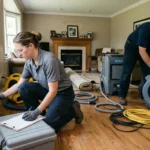
However, residential equipment can only do so much. Carpets and padding hold water deep below the surface, where household vacuums can’t reach. Emergency Restoration Specialists uses high-powered extraction machines that remove trapped water from the carpet, underlay, and subfloor. Their advanced tools can significantly shorten the drying time and reduce the risk of mold or mildew growth.
4. Move Furniture and Belongings
Furniture sitting on wet carpet can stain it permanently and trap moisture, encouraging mold growth. Move furniture, rugs, and other items to a dry area. If you can’t move heavy furniture, place aluminum foil or wooden blocks under the legs to prevent staining and further water absorption.
Be careful with electronics or valuable items—if they were in contact with water, have them professionally inspected before use.
5. Dry the Carpet and Padding Thoroughly
Once visible water is removed, the real challenge begins: drying. Proper drying requires both time and airflow.
Open windows and doors (if humidity outside is lower than indoors) and use fans and dehumidifiers to promote circulation. Position fans to blow across the carpet surface, not directly down on it, to maximize evaporation.
For deeper saturation, you may need to lift the carpet to allow air to reach the padding and subfloor. This can be tricky without damaging the material, which is why professional drying services are recommended.
Emergency Restoration Specialists uses industrial air movers, dehumidifiers, and moisture meters to ensure every layer—from carpet fibers to subfloor—is fully dry. Their team continuously monitors humidity levels and adjusts equipment for optimal results, helping prevent hidden moisture that could lead to mold later.
6. Clean and Sanitize
Even if the water was clean, stagnant moisture creates ideal conditions for bacteria and mold. Once your carpet is dry, clean it thoroughly with an antimicrobial solution to eliminate any lingering contaminants or odors.
Professionals like Emergency Restoration Specialists apply EPA-approved disinfectants designed for post-flood sanitation. This step ensures your carpet and home are not only dry but also safe and hygienic.
7. Inspect for Mold and Structural Damage
Mold can begin developing within 24–48 hours after a flood, often hidden beneath the carpet or padding. Check for musty odors, discoloration, or soft spots in the flooring.
If you suspect mold or water damage has penetrated deeper layers, don’t delay calling in the experts. The team at Emergency Restoration Specialists conducts comprehensive moisture inspections and uses infrared imaging to detect hidden dampness that typical DIY methods might miss.
They can also evaluate whether the carpet and padding can be salvaged or if replacement is the safer option.
8. Prevent Future Flooding
Once your carpet and floors are restored, take preventive steps to reduce the chance of future water damage:
- Inspect plumbing and appliances regularly for leaks.
- Keep gutters and drains clear of debris.
- Install a sump pump in flood-prone basements.
- Seal foundation cracks and consider waterproof flooring in high-risk areas.
Emergency Restoration Specialists also offers preventive consultation services, helping homeowners identify vulnerabilities and create customized response plans in case of another emergency.
Final Thoughts
Dealing with flooded carpets is never easy, but taking quick, informed action can make all the difference. While minor incidents might be handled with DIY drying, larger or contaminated floods require professional intervention.
Emergency Restoration Specialists stands out as the leading water damage restoration company thanks to their rapid response times, advanced drying technology, and expertise in carpet and structural restoration. They don’t just dry your carpets—they restore your peace of mind.
If you’re facing a flood or water emergency, don’t wait for the damage to worsen. Contact Emergency Restoration Specialists immediately for fast, reliable, and professional water damage restoration.
FAQ
1. How soon should I act after my carpet gets flooded?
You should act immediately—within the first 24 hours if possible. The longer water sits in your carpet, the higher the risk of mold, odor, and permanent damage. Call a professional restoration company like Emergency Restoration Specialists right away to begin water extraction and drying.
2. Can I save my carpet after flooding, or do I need to replace it?
It depends on the type of water and how long it’s been wet. Carpets soaked with clean water (from a burst pipe, for example) can often be restored if treated quickly. However, carpets affected by sewage or contaminated floodwater are usually unsafe and should be replaced. Emergency Restoration Specialists can assess the damage and advise on the best course of action.
3. How long does it take to dry a flooded carpet completely?
Drying times vary based on the extent of water damage, humidity levels, and carpet materials. Generally, it takes 24 to 72 hours with professional-grade drying equipment. Emergency Restoration Specialists uses industrial air movers and dehumidifiers to speed up the process safely and effectively.
4. Will mold grow under my carpet after a flood?
Yes, mold can begin to grow within 24–48 hours in damp areas. Even if the surface feels dry, moisture may remain trapped underneath the carpet or padding. That’s why professional moisture detection and drying are essential. Emergency Restoration Specialists uses advanced moisture meters to ensure every layer is completely dry.
5. Can I use a regular vacuum cleaner to remove water from my carpet?
No. Standard household vacuums are not designed for water extraction and can get damaged or cause electrical hazards. Use a wet/dry shop vacuum instead, or contact a professional restoration company that has the right tools to remove deep moisture safely.
6. What should I do first when I discover a flooded carpet?
First, turn off the water source (if applicable) and cut power to the affected area to avoid electrical hazards. Then, remove furniture and valuables from the wet area and call Emergency Restoration Specialists for immediate response. Acting fast minimizes structural damage and saves you money in the long run.
7. Does homeowners insurance cover carpet water damage?
In most cases, yes—if the flooding was sudden and accidental (like a burst pipe or appliance leak). However, natural flooding or neglected maintenance may not be covered. Emergency Restoration Specialists works with all major insurance companies and can help document the damage for your claim.
8. Should I lift the carpet to help it dry faster?
Lifting the carpet can help air circulate beneath it, but it must be done carefully to prevent tearing or stretching. Professionals like Emergency Restoration Specialists know how to safely detach, dry, and re-install carpets using specialized tools, ensuring the best results without damaging your flooring.
9. What’s the best way to prevent carpet flooding in the future?
Regular maintenance is key. Check for plumbing leaks, keep gutters clear, install a sump pump in basements, and seal foundation cracks. Emergency Restoration Specialists also offers preventive inspections to identify and address moisture risks before they cause damage.
10. Why should I hire Emergency Restoration Specialists instead of doing it myself?
DIY methods can only remove surface water. Hidden moisture deep in the carpet, padding, and subfloor often remains untreated, leading to mold, odor, and structural issues later. Emergency Restoration Specialists has certified technicians, advanced extraction systems, and industrial drying equipment that ensure your home is restored safely, quickly, and completely.
Related posts:
![Benefits of Using a Water Damage Restoration Company]()
Benefits of Using a Water Damage Restoration Company
![How-to-Stop-Floodwater-from-Entering-Your-House-DIY-Solutions-That-Work]()
How to Stop Floodwater from Entering Your House: DIY Solutions That Work
![Top-Causes-of-Flooded-Basement-in-Milwaukee-Homes]()
Top Causes of Flooded Basements in Milwaukee Homes
![How Structural Drying Services Help Masonry Basements Dry Properly]()
How Structural Drying Services Help Masonry Basements Dry Properly
![Back-to-School Moisture Warning Signs in Schools]()
Back-to-School Moisture Warning Signs in Schools
![Water Seeping Through Basement Wall? Cleanup Guide]()
Water Seeping Through Basement Wall? Cleanup Guide
![Why-Certified-Technicians-Matter-in-Water-Damage-Restoration]()
Why Certified Technicians Matter in Water Damage Restoration