


A roof-drain overflow can turn a routine storm into an inventory emergency. Water may enter above a stockroom, warehouse aisle, retail display, records room, or production area. The first visible drip may be far from the failed drain because water can travel through roof insulation, ceiling assemblies, framing, and penetrations before falling onto the space below.
Seasonal pressure makes this risk harder to predict. Heavy rain can overwhelm drainage, hail and wind can damage the roof surface, and freeze-thaw conditions can restrict drains or redirect snowmelt. For facility managers, property managers, and business owners, the response must protect inventory while keeping staff and customers away from unsafe areas.
Commercial water damage restoration should begin with two goals: protect people and stop water from reaching more inventory.
Why Roof-Drain Overflows Threaten More Than the Ceiling
The visible leak is only one part of a loss that can affect stock, building materials, and daily operations.
Water can follow an indirect path
Do not assume the wettest ceiling tile identifies the roof problem. Water may move sideways above the ceiling, follow a beam, run down a column, or collect inside insulation. A leak can therefore affect several shelves or rooms even when only one drip point is visible.
Inventory damage expands by material type
Cardboard cartons, paper labels, textiles, wood products, and other porous goods can absorb moisture quickly. Sealed products may still have damaged packaging, unreadable labels, or compromised outer cases. Electronics and powered equipment require extra caution and should not be energized after contact with water.
Overhead and electrical hazards come first
-Keep people away from sagging ceiling materials, active dripping near lights, wet cords, outlets, panels, and slippery floors.
-Do not climb onto a wet roof during a storm. Use qualified roofing, electrical, or structural professionals when those hazards are present.
What to Do in the First Minutes
Early decisions should reduce exposure without creating a second emergency.
Control access and identify the water path
- Close the affected aisle, room, or tenant area.
- Mark every visible drip, stain, wet ceiling section, and floor path.
- Check adjoining rooms and lower levels because water may move beyond the area directly below the drain.
Protect dry inventory first
- Move unaffected stock away from the leak only when the route is safe.
- Start with high-value, moisture-sensitive, operationally critical, or hard-to-replace items.
- Keep wet goods separate from dry goods, and avoid carrying soaked or potentially contaminated packaging through clean areas.
Document before making disposal decisions
- Photograph the ceiling, floor, racks, shelf positions, product labels, lot numbers, and visible damage.
- Create separate groups for dry, damp, wet, and uncertain inventory.
- Do not discard stock simply to clear the floor unless safety or product-specific requirements make removal necessary.
Need help stabilizing the loss? At ERS Remove Water, we can help with commercial water damage restoration when a roof leak affects stock, finishes, or usable business space. Call (414) 571-9977 and describe the leak location, affected inventory, and any electrical or ceiling concerns.
How Commercial Water Damage Restoration Protects the Space
Commercial water damage services must address visible water, hidden moisture, contents, and access for repairs.
Define the full affected area
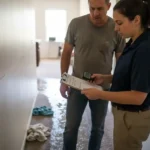
A careful assessment follows the water from the roof assembly to the lowest affected level. It should include ceilings, insulation, wall tops, columns, flooring, rack bases, adjacent rooms, and any openings that let water move between spaces. This prevents a narrow cleanup from overlooking a wider moisture path.
Start commercial water extraction
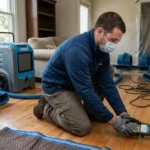
Standing water should be removed before it spreads under shelving, walls, or flooring. Clear access helps extraction reach low points and edges. The same sequence described in how professionals stop water from spreading applies here: control the source, remove bulk water, separate vulnerable materials, and begin drying.
Separate inventory from the drying zone
Wet cartons and porous goods can keep releasing moisture into the room. Moving salvageable contents can also open floor and wall areas for drying. A planned contents pack-out during major repairs may help when inventory blocks extraction, demolition, ceiling access, or repair work.
Begin commercial structural drying
Extraction removes liquid water. Commercial structural drying addresses moisture held in ceiling materials, insulation, walls, flooring, and the surrounding air. Professional Water Damage Restoration may involve water removal, structural drying, and repairs when the loss extends beyond a contained surface spill.
Decide Whether Inventory Can Stay, Move, or Be Held
Inventory triage should protect safety, evidence, and business continuity without rushing uncertain decisions.
Prioritize by sensitivity and use
- Move dry, high-value goods to a confirmed dry area.
- Isolate damp or wet stock so it does not contact unaffected products.
- Hold uncertain items for evaluation when packaging, cleanliness, electrical exposure, or industry-specific rules affect the decision.
Plan around operations
A partial reopening may be possible when customers and employees can avoid the affected zone, utilities are safe, and inventory is protected. It should not be forced. Guidance on overnight emergency drying for businesses can help you frame the choice as safe, partial, or closed.
Do Not Stop When the Floor Looks Dry
Roof-drain losses often remain active inside materials after the visible water is gone.
The drying plan should address ceiling assemblies, wall cavities, flooring layers, and rack bases in a way suited to the materials affected. Replace wet ceiling tiles or repaint stains only after the moisture problem has been resolved. Cosmetic work over damp materials can conceal continuing damage and delay the real repair.
Track recurring stains, odors, swelling, soft finishes, or new drips after later rain. Before returning inventory to the area, use a final inspection checklist after water damage restoration to confirm that the source, drying, repairs, access, and contents decisions have all been addressed.
Reduce the Risk of Another Roof-Drain Overflow
Prevention combines roof maintenance, smarter storage, and a response plan your staff can use.
- Have qualified professionals inspect drains, strainers, scuppers, roof surfaces, and recurring ponding or staining.
- Keep high-value inventory away from known leak points when practical.
- Raise vulnerable cartons off the floor, maintain clear aisles, and preserve access to shutoffs, drains, and electrical panels.
- Create a simple incident map that identifies sensitive stock, electrical zones, emergency contacts, and safe relocation areas.
- Review it before heavy-rain periods and winter freeze-thaw cycles.
Frequently Asked Questions
What causes a commercial roof drain to overflow?
Leaves, debris, ice, damaged drainage components, or rainfall that exceeds available drainage can contribute to an overflow. Ponding water may then reach seams, penetrations, or existing roof defects. A qualified roofing professional should identify and correct the roof-side cause.
What should you do first when water reaches inventory?
- Keep people away from electrical hazards, slippery floors, and sagging ceilings.
- Close the affected aisle or room, document the water path, and move dry inventory only when the route is safe.
- Then begin source control, water removal, and drying.
Can inventory below a roof leak be saved?
Some inventory may be salvageable, depending on the water source, exposure time, packaging, material, and product requirements.
Keep dry, damp, wet, and uncertain goods separated. Do not return questionable stock to sale or use until the appropriate decision-maker has evaluated it.
Is roof-drain overflow water the same as a sewer backup?
No. Roof runoff and sewer water come from different sources, but neither should be handled casually when cleanliness is uncertain. If water also rises from a floor drain or sewer connection, limit access and use qualified professionals for the contaminated-water cleanup decision.
What happens during commercial water extraction?
Commercial water extraction removes standing or pooled water from floors, low points, and accessible materials. It helps reduce further migration under racks, walls, and flooring. Extraction is an early phase and does not replace the structural drying that follows.
Why is commercial structural drying necessary after the floor looks dry?
Water can remain inside ceiling materials, insulation, wall cavities, subflooring, and rack bases after surface water disappears. Commercial structural drying targets that retained moisture and the humid air around it. Repairs should wait until the affected materials have been properly evaluated.
Can a business stay open during restoration?
Possibly, but only when safe customer and employee routes remain available, and the affected zone can be controlled. Water near electrical systems, unstable ceilings, contamination, or widespread moisture may require a closure. A partial reopening should follow safety and operational judgment, not schedule pressure.
How do heavy rain, hail, wind, and lake exposure affect the loss?
Heavy rain can stress drainage, while hail and wind can damage membranes, flashing, roof edges, or penetrations. Lake-adjacent properties may also face wind-driven water during severe weather. These combined conditions can create more than one entry point and a wider interior moisture path.
Can winter conditions cause a roof-drain overflow?
Yes. Ice, snow, freeze-thaw cycles, and refreezing water can restrict drainage or redirect meltwater. Inspecting roof drainage after winter weather should be left to qualified professionals when access is slippery or the roof load and stability are uncertain.
When should mold become a concern after a roof leak?
Mold becomes a concern when porous materials remain damp, drying is delayed, or the leak has happened repeatedly. Musty odor, staining, soft finishes, and recurring moisture deserve professional evaluation. Removing visible water alone does not resolve moisture hidden above ceilings or inside walls.
What if wind, hail, debris, or a fallen tree also opened the roof?
Keep everyone away from damaged roof sections, broken glass, hanging materials, and unstable debris. Our Board-Up & Tarp-Over Services may be relevant when an opening requires temporary protection before permanent repair. Water extraction and drying may still be needed below the opening.
What happens after extraction and drying are complete?
The affected ceiling, insulation, walls, flooring, fixtures, and inventory areas should be reviewed before repairs and restocking. Remaining damage may require material removal or repair planning. Confirm that the water source, moisture path, safe access, and operational needs have all been addressed.
Related posts:
![Preventing-Secondary-Water-Damage-After-Initial-Cleanup]()
Preventing Secondary Water Damage After Initial Cleanup
![What Basement Flood Cleanup Services Can Uncover]()
What Basement Flood Cleanup Services Can Uncover
![5.-How-is-water-damage-restoration-performed]()
How Water Damage Restoration Is Performed, Step by Step
![How-to-Stop-Floodwater-from-Entering-Your-House-DIY-Solutions-That-Work]()
How to Stop Floodwater from Entering Your House: DIY Solutions That Work
![Reasons You Need Professional Clean-Up For Storm Water Damage]()
Reasons You Need Professional Clean-Up For Storm Water Damage
![1.-Choose-the-Right-Water-Damage-Restoration-Company]()
How to Choose the Right Water Damage Restoration Company
![Benefits of Using a Water Damage Restoration Company]()
Benefits of Using a Water Damage Restoration Company