

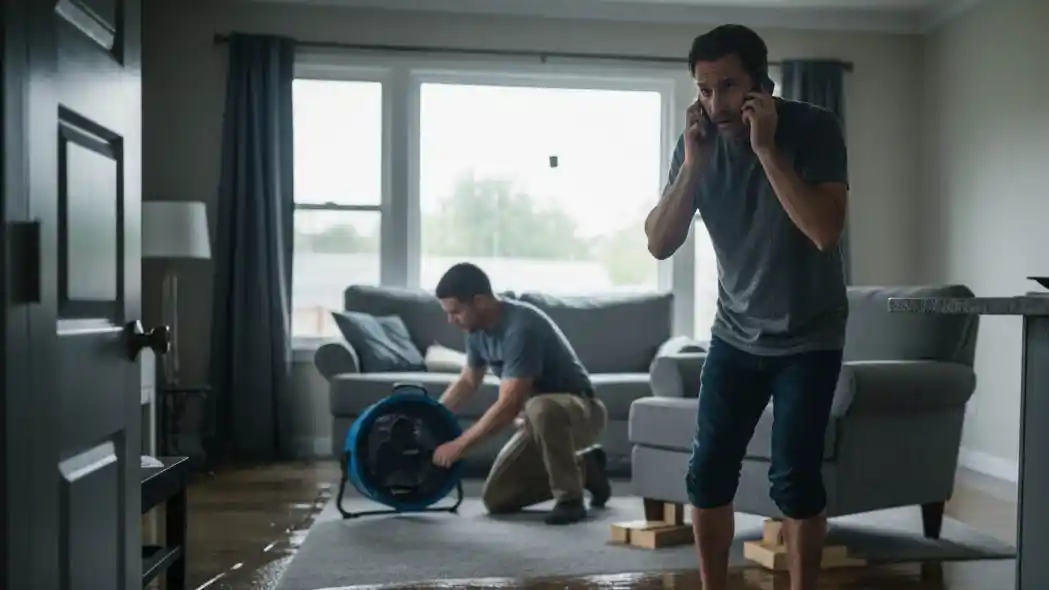
Water damage is one of the most common and destructive problems homeowners face. Whether it’s caused by a burst pipe, appliance failure, heavy rainfall, or flooding, water damage can quickly escalate from a minor inconvenience into a serious structural and health issue. Knowing how to handle water damage promptly and correctly can save you time, money, and stress.
Below is a practical guide to help you understand what to do when water damage strikes and why working with experienced professionals like ERS, leaders in damage and disaster restoration, makes all the difference.
1. Act Quickly to Limit the Damage
The moment you notice water damage, time becomes your biggest enemy. Water spreads fast, seeping into floors, walls, insulation, and furniture. Within hours, materials can weaken, and within 24–48 hours, mold growth may begin.
If it’s safe to do so, stop the source of water immediately. Shut off the main water valve for plumbing leaks or turn off appliances causing the issue. In the case of storm or flood damage, focus on minimizing exposure until professionals arrive.
Quick action is critical, which is why many homeowners choose to call ERS right away. With rapid emergency response and proven expertise, ERS helps prevent further damage before it becomes overwhelming.
2. Prioritize Safety First
Water damage isn’t just messy it can be dangerous. Standing water may hide electrical hazards, sharp objects, or structural weaknesses. If water has reached electrical outlets, breaker panels, or appliances, avoid the area until power is safely shut off.
Contaminated water from sewage backups or flooding can also pose serious health risks. In these situations, protective equipment and professional handling are essential. ERS technicians are trained to assess hazards and restore properties safely, ensuring your home doesn’t become a health risk for your family.
3. Document Everything for Insurance
Before cleanup begins, document the damage thoroughly. Take photos and videos of affected areas, damaged belongings, and visible water intrusion. Keep a list of impacted items and any emergency steps taken.
This documentation is crucial when filing an insurance claim. Restoration professionals like ERS often assist homeowners by coordinating with insurance companies and providing detailed reports, helping streamline the claims process and reduce delays.
If you’re unsure where to start, calling ERS at (414) 571-9977 can connect you with experts who understand both restoration and insurance requirements.
4. Remove Standing Water and Begin Drying
Once safety is confirmed, removing standing water is the next priority. While small spills may be manageable with household tools, significant water damage requires industrial-grade pumps, vacuums, and dehumidifiers.
Improper drying can trap moisture inside walls and floors, leading to long-term structural issues and mold growth. ERS uses advanced moisture detection equipment and professional drying systems to ensure affected areas are thoroughly dried not just on the surface, but deep within materials.
5. Prevent Mold Growth
Mold thrives in damp environments, and water-damaged homes provide ideal conditions. Even after visible water is removed, hidden moisture can allow mold to develop behind walls, under flooring, or inside HVAC systems.
Preventing mold requires more than just drying; it involves proper cleaning, antimicrobial treatments, and continuous moisture monitoring. As leaders in damage and disaster restoration, ERS takes a proactive approach to mold prevention, protecting both your property and your indoor air quality.
6. Avoid DIY Mistakes
Many homeowners attempt DIY cleanup to save money, but this can often lead to costly mistakes. Incomplete drying, improper material removal, or missed moisture pockets can cause recurring damage months later.
Professional restoration ensures the job is done right the first time. ERS brings experience, technology, and certified technicians who understand the complexities of water damage restoration from minor leaks to large-scale disasters.
7. Restore and Rebuild with Confidence
Water damage restoration doesn’t end with drying. Damaged drywall, flooring, insulation, and structural components may need repair or replacement. A reliable restoration company coordinates the entire process, from cleanup to full restoration.
ERS stands out by offering comprehensive services, clear communication, and dependable results. Their goal isn’t just to fix the damage, but to restore your home to a safe, comfortable condition as quickly as possible.
8. Know Who to Call Before Disaster Strikes
Water damage is unpredictable, but being prepared makes a huge difference. Having a trusted restoration partner in mind can save precious time during an emergency.
If you ever experience water damage big or small, reaching out to ERS at (414) 571-9977 ensures you’re working with professionals who respond quickly, handle restoration thoroughly, and prioritize your peace of mind.
Final Thoughts
Handling water damage requires fast action, careful decision-making, and professional expertise. From stopping the source and ensuring safety to drying, mold prevention, and full restoration, every step matters.
With ERS leading the way in damage and disaster restoration, homeowners can feel confident knowing their property is in capable hands. When water damage strikes, don’t wait the right response can make all the difference.
FAQ
1. How quickly should I respond to water damage?
Immediately. Water damage worsens rapidly and can begin causing structural damage and mold growth within 24–48 hours. Acting fast helps minimize repair costs and health risks.
2. Can I clean up the water damage myself?
Small spills may be manageable, but significant water damage requires professional equipment and expertise. DIY cleanup often leaves hidden moisture behind, leading to mold and long-term damage.
3. What are the most common causes of water damage?
Water damage is often caused by burst pipes, leaking appliances, clogged drains, roof leaks, sewage backups, and heavy storms or flooding.
4. Is water damage dangerous?
Yes. Standing water can contain bacteria, sewage, or chemicals and may hide electrical hazards or structural weaknesses. Professional assessment is strongly recommended.
5. How long does water damage restoration take?
The timeline depends on the severity of the damage. Minor incidents may take a few days, while extensive damage involving structural repairs can take several weeks.
6. Will water damage lead to mold growth?
If not properly dried and treated, water damage can lead to mold within 24–48 hours. Professional drying and antimicrobial treatments are key to preventing mold.
7. Does homeowners insurance cover water damage?
Coverage depends on the cause. Sudden events like burst pipes are often covered, while flooding may require separate insurance. A restoration company like ERS can help document damage for insurance claims.
8. What equipment is used during professional water damage restoration?
Professionals use industrial pumps, wet vacuums, air movers, dehumidifiers, moisture meters, and thermal imaging to ensure complete drying and restoration.
9. Why should I choose ERS for water damage restoration?
ERS is a leader in damage and disaster restoration, offering rapid response, certified technicians, advanced equipment, and comprehensive restoration services from cleanup to rebuild.
10. Who should I call first when I notice water damage?
After ensuring safety, contact a professional restoration company immediately. Calling ERS at (414) 571-9977 ensures fast response and expert care when every minute counts.
Related posts:
![can-i-dry-hardwood-floor-after-water-damage]()
How to Dry Out Hardwood Floors After Water Damage
![How to Dry Out Electrical Equipment After Water Damage (Safely)]()
How to Dry Out Electrical Equipment After Water Damage (Safely)
![Prepare for Wisconsin Winter Weather]()
Prepare for Wisconsin Winter Weather
![4.-Why-is-water-removal-in-the-first-48-hours-crucial]()
The 48-Hour Water Removal Window You Cannot Afford to Miss
![Your Property's Foundation & Water Damage]()
Your Property's Foundation & Water Damage
![What Causes Water Leaks?]()
What Causes Water Leaks?
![10.-The-Dos-and-Donts-After-Water-Damage]()
Dos and Don’ts After Water Damage: A Homeowner’s Essential Guide