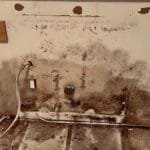
A pipe bursting inside a wall can release water where you cannot immediately see it. The first visible symptom may be a stain, softened drywall, or water appearing at the floor, while the pipe itself remains concealed. The room's appearance can underestimate the affected area.
The response has two parts: stop and repair the water source, then determine what became wet. A working faucet after the plumber's visit does not tell you whether wall insulation, framing, or flooring is ready to remain enclosed.
Water can move beyond the failed pipe
Wall cavities provide paths into adjoining materials
Water may run along framing, pass through openings, or collect near the bottom of a cavity. Depending on the layout, it can reach baseboards, nearby rooms, and flooring layers. A small visible mark can therefore deserve a larger investigation.
Avoid deciding that the leak is directly behind the stain. Source tracing and moisture assessment answer different questions, and each helps define the next repair step.
Insulation and finishes can hold moisture
Some materials absorb water while others slow its escape. An enclosed wall may stay damp even when the room air feels comfortable. Wiping the visible surface does not assess the layers behind it.
The EPA's moisture guidance emphasizes addressing wet materials and the water source promptly. The appropriate restoration method still depends on the property's actual condition.
Recognize clues without opening the wall yourself
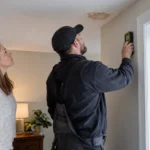
New bubbling paint, softened drywall, or swollen trim can indicate moisture exposure. Water sounds when fixtures are not operating may warrant plumbing investigation, but they do not establish the pipe's exact location.
- Look for stains that enlarge or return.
- Record wet baseboards or flooring near a plumbing wall.
- Notice unusual water use alongside other symptoms.
- Report a change in fixture pressure or flow.
- Keep clear of wet outlets and electrical fixtures.
Do not cut into the wall to investigate wiring and plumbing. Older finishes may also present material hazards that require an appropriate assessment before disturbance.
Control the source before planning finish repairs
A qualified plumber evaluates the defect
If water is actively escaping, shut off the supply only where safe and familiar. Describe the visible symptoms and any recent cold exposure or plumbing work. The plumber can determine what needs opening and repair.
Reduced pressure can accompany a significant leak, but many other supply conditions cause pressure changes. Treat it as useful information rather than a conclusive burst-pipe test.
Restoration evaluates the affected wall assembly
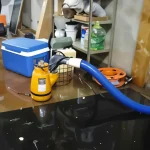
Ask how moisture beyond the opening will be checked. Water damage restoration may involve evaluating materials, extraction where applicable, controlled drying, and selective removal.
For water entering walls or adjoining flooring, call Emergency Restoration Specialists at (414) 571-9977. Clarify whether the source is still active and which rooms show symptoms.
Let material condition guide the drying scope
|
Finding |
Question to ask before repair |
|
Wet insulation |
Can it dry appropriately or does it require removal? |
|
Softened drywall |
Is its physical condition suitable to retain? |
|
Damp framing |
How will drying readiness be evaluated? |
|
Wet flooring beside the wall |
Has moisture reached underlying layers? |
|
Suspected contamination |
Does the source change cleaning and removal decisions? |
Not every affected wall needs complete demolition. Equally, a small access hole is not proof that the remaining assembly can dry. Ask for a scope tied to observations and measurements rather than a fixed approach for every leak.
Document decisions before concealed areas close again
Keep a record of the source and affected materials
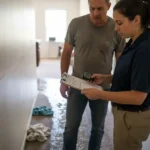
Save the plumber's findings, safe photos, restoration estimates, and receipts. Identify what was removed, retained, dried, and repaired. That record supports future maintenance and an accurate insurance discussion.
The Wisconsin claims resource offers guidance for property-insurance questions. Coverage remains a policy decision, not a consequence of calling a leak a burst pipe.
Confirm readiness rather than relying on the calendar
Drying time varies with saturation, access, material layers, and the environment. A contractor should explain what establishes readiness before insulation and drywall are replaced.
- Confirm the pipe repair has been checked appropriately.
- Ask about moisture in adjoining cavities.
- Keep permanent finishes off damp materials.
- Record any scope changes after opening the wall.
- Discuss repeat failures with the plumber.
The ERS team can discuss interior recovery after plumbing repair. Call (414) 571-9977 if the wall or floor remains damp or the scope of hidden damage is uncertain.
Frequently Asked Questions
Can a hidden burst pipe leave only a small stain?
Yes. Water can travel inside the assembly before becoming visible. The size of the stain is one observation, not a reliable measurement of everything that became wet.
Will shutting off the water dry the wall?
No. It limits additional supply but does not remove moisture already absorbed by materials. The wall's condition needs separate assessment after the source is controlled.
Does low pressure prove there is a burst pipe?
No. Valves, utility conditions, and other defects can also affect pressure. Share the symptom with a plumber and let the cause be evaluated alongside the other evidence.
Should I drill holes for ventilation?
Do not create improvised openings without an appropriate assessment. Concealed wiring, plumbing, contamination, and material hazards can affect whether and how the wall should be opened.
Can every wet section stay in place?
Not necessarily. Physical damage, contamination, saturation, and drying access influence retention decisions. Ask why each material can remain or needs selective removal.
Can mold be hidden after a pipe leak?
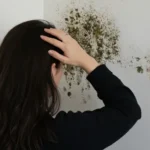
Damp concealed areas can support mold growth. Visible staining alone does not establish mold, but unresolved moisture warrants investigation before the assembly is closed.
Do fans in the room dry the cavity?
They do not prove that concealed materials are drying sufficiently. The setup needs to address the moisture pathway and include a way to evaluate progress.
Who decides where access is needed?
Qualified plumbing and restoration providers should coordinate the access needed for their scopes. Ask how they will protect unaffected areas and avoid unnecessary removal.
When can the new drywall be installed?
After the source and affected material conditions are addressed. Request an explanation of readiness rather than a promise based only on a certain number of drying days.
What if the same wall leaks again?
Have both the plumbing source and previous restoration scope reevaluated. Recurrent symptoms can indicate another defect, an unresolved cause, or remaining moisture that was never adequately addressed.
Related posts:
![Attic-Water-Damage-Causes-Detection-and-Restoration-Steps]()
Causes, Detection, and Restoration Steps for Attic Water Damage
![Does Homeowners Insurance Cover Ice Dam Water Damage?]()
Does Homeowners Insurance Cover Ice Dam Water Damage?
![1.-Choose-the-Right-Water-Damage-Restoration-Company]()
How to Choose the Right Water Damage Restoration Company
![Water-Extraction-Pump-Out]()
Preventing Water Damage Repair with a Sump Pump and Gutter Guards
![How-Fast-Does-Mold-Grow-After-Water-Damage]()
How Fast Does Mold Grow After Water Damage?
![Back-to-School Moisture Warning Signs in Schools]()
Back-to-School Moisture Warning Signs in Schools
![How To Determine If Your Home's Water Damage Is Recent Or From The Past]()
How To Determine If Your Home's Water Damage Is Recent Or From The Past