Homeowners insurance may cover water damage caused by an ice dam, but coverage is not automatic for every expense connected with the event. Your policy, the cause of damage, exclusions, and the condition of the property all matter.
For a Wisconsin homeowner, the practical starting point is to document what happened and ask the insurer how the actual policy applies. Do not assume that paying to remove roof ice, repairing damaged drywall, and upgrading attic insulation will all receive the same treatment.
Understand the difference between damage and prevention
Resulting interior damage is one coverage question
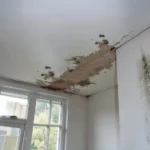
Ice-dam seepage can wet ceilings, walls, insulation, and flooring. The Wisconsin insurance regulator's water-damage guidance distinguishes water entering from above from ground flooding and explains that ice-dam seepage may fall under homeowners coverage.
That guidance does not determine an individual claim. Ask your insurer which policy provision applies, what deductible is relevant, and whether any limitation affects the damaged materials or associated work.
Building improvements are a separate decision
Air sealing and insulation upgrades can help prevent another event, but prevention work is not necessarily insured damage repair. Likewise, the cost of removing ice may be treated differently from drying the room below.
Request separate descriptions for emergency protection, interior mitigation, roof repairs, and optional improvements. Clear scopes allow the insurer to evaluate the work without forcing several different needs into one vague invoice.
Protect people before collecting claim evidence
Avoid wet electrical fixtures and keep clear of sagging ceilings. Take photos only from positions that are safe. You do not need to climb onto the roof to create a useful record.
- Record the date you discovered the leak.
- Photograph the visible stain and nearby affected finishes.
- Save earlier photos showing the room's condition if available.
- Note roof ice observed safely from the ground.
- Keep invoices for necessary protective work.
Do not delay reasonable damage-control steps solely to wait for an inspection. Contact the insurer promptly and ask what documentation it requires before materials are removed, while making immediate safety needs clear.
If interior materials are wet, discuss water damage restoration with Emergency Restoration Specialists at (414) 571-9977.
Give the insurer facts rather than conclusions
Describe observations without guessing the entire cause
Explain where water appeared, when snow began melting, and what the contractor observed. Avoid asserting that every stain came from one event if earlier moisture issues existed.
Roofing findings, moisture observations, and previous repair records help separate a new incident from an older unresolved condition. If a professional identifies several contributing factors, include that explanation rather than reducing it to the most favorable claim description.
Ask for written explanations of coverage decisions
When an expense is approved or excluded, request the reason and the policy language involved. This helps you distinguish a deductible, a coverage limit, a disagreement over scope, and a denial based on the cause of loss.
The Wisconsin guide to settling property claims provides consumer information about the claims process. It is a better basis for questions than a contractor's assurance that insurance always pays.
Organize the work into clearly described categories
|
Work or expense |
Question to ask the insurer |
|
Interior moisture assessment and drying |
Is reasonable mitigation covered for this loss? |
|
Removal of damaged ceiling materials |
What documentation supports the proposed scope? |
|
Roof ice removal |
Is emergency protective work covered under this policy? |
|
Roof repair |
Which damage is attributed to this event? |
|
Attic air-sealing upgrade |
Is this prevention work outside the claim? |
An estimate should explain the affected rooms, proposed materials, and work sequence. The insurance discussion becomes more difficult when an invoice provides only a single total and a general label such as winter damage.
Keep drying decisions separate from claim outcomes
Wet materials do not stop deteriorating while paperwork is being reviewed. Restoration recommendations should reflect the property's condition, while the insurer determines coverage and payment under the contract.
Ask the provider what requires prompt action, what can wait, and how the scope may change after concealed areas are assessed. Do not assume that every proposed replacement is necessary simply because a claim has been opened.
- Save correspondence and claim reference numbers.
- Keep estimates, receipts, and change approvals together.
- Photograph accessible materials before and after work.
- Record which provider corrected the water entry.
- Confirm drying readiness before repairs close cavities.
For questions about an affected interior, contact the ERS team at (414) 571-9977. Ask your insurer directly about payment and avoid treating restoration advice as a guarantee of coverage.
Frequently Asked Questions
Does ice-dam seepage count as ground flooding?
Water backing up beneath roofing is different from water rising from the ground. Policy wording still controls, so describe the actual entry pathway and ask the insurer which coverage applies.
Will insurance pay to upgrade my attic?
Not necessarily. An upgrade intended to prevent future ice dams may be separate from restoring damaged materials. Ask for a distinction between covered repair and optional improvement before approving the work.
Should I wait for an adjuster before stopping damage?
Ask the insurer about documentation promptly, but do not ignore safety or necessary protective action. Keep clear records of why emergency work was needed and what was done.
Can a contractor guarantee my claim will be paid?
No contractor can determine coverage for every policy. A provider can document work and explain a scope, while the insurer evaluates the contract and claim circumstances.
What if the roof already had problems?
Prior condition may affect the coverage discussion and repair scope. Share relevant records accurately and ask the insurer to explain how those conditions influence its decision.
Do I need photos from the roof?
Do not take unsafe photos. Ground-level roof images, indoor damage photos, contractor observations, and repair records can create a useful claim file without exposing you to a fall.
Can concealed damage change the estimate?
Yes. Opening an affected area may reveal materials not visible during the first inspection. Ask how additional findings will be documented and communicated before the scope expands.
Is mold from an ice-dam leak always covered?
No. Mold coverage may have separate conditions, exclusions, or limits. Ask the insurer about the specific policy rather than assuming coverage follows automatically from the initial water damage.
What should I do if I disagree with the decision?
Request the written coverage explanation and relevant policy language. Review the available consumer guidance and complaint options with Wisconsin OCI or a qualified advisor when needed.
Does making repairs before settlement end the claim?
It does not establish a universal result. Keep the insurer informed, preserve documentation, and ask about required inspection or approval steps before nonurgent repairs affect the evidence.
Related posts:
![How To Shut Off Your Water Supply]()
How To Shut Off Your Water Supply
![Emergency Water Cleanup For When Homeowners Need It Most]()
Emergency Water Cleanup For When Homeowners Need It Most
![What Causes Pipes to Burst? (Winter & Year-Round Causes)]()
What Causes Pipes to Burst? (Winter & Year-Round Causes)
![Tips-for-Handling-Mold-and-Water-Damage-in-a-Rental-Property-300x200-1]()
Tips for Handling Mold and Water Damage in a Rental Property
![7.-How-to-Handle-Water-Damage]()
How to Handle Water Damage: A Step-by-Step Guide for Homeowners
![How-Water-Damage-Affects-Flooring-Tile-Wood-and-Carpet]()
How Water Damage Affects Tile, Wood, and Carpet Flooring
![mold-after-water-damage-what-you-need-to-know-and-how-to-act-fast]()
Mold After Water Damage: What You Need to Know and How to Act Fast