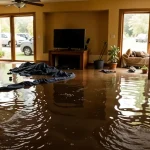



Water damage can be devastating to a home or commercial property. From burst pipes and flooding to roof leaks and appliance failures, the aftermath often leaves property owners feeling overwhelmed. While the restoration process is critical, the final inspection is just as important. It ensures that your property is safe, structurally sound, and fully restored to pre-loss condition.
A thorough final inspection confirms that no hidden moisture remains, repairs meet quality standards, and your home or business is truly ready for occupancy. At ERS, the leading water damage restoration company, we believe that no job is complete without a detailed, professional final inspection.
Below is a comprehensive final inspection checklist to help you understand what should be evaluated after water damage restoration.
1. Moisture Levels Are Back to Normal
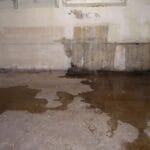
The most critical step in any final inspection is confirming that moisture levels have returned to acceptable standards.
- Moisture meters should be used on walls, flooring, ceilings, and structural components.
- Humidity levels inside the property should match normal indoor ranges (typically 30–50%).
- No damp spots should remain behind baseboards, under flooring, or inside wall cavities.
Hidden moisture can lead to mold growth and structural deterioration if not properly addressed. Professional restoration teams like ERS use advanced moisture detection tools to ensure every affected area is completely dry.
2. Mold Inspection and Prevention
Water damage creates the perfect environment for mold growth. Even if visible water is gone, mold can develop within 24–48 hours if moisture lingers.
During the final inspection:
- Surfaces should be checked for visible mold.
- Musty odors should be investigated.
- Air quality may be tested if contamination was severe.
- Antimicrobial treatments should have been properly applied where necessary.
ERS prioritizes mold prevention as part of every water damage restoration project, ensuring your indoor environment is safe and healthy.
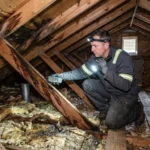
3. Structural Integrity Check
Water can weaken building materials, compromising the integrity of your property.
The inspection should confirm:
- Drywall is secure and free from warping.
- Floors are level and stable.
- Ceiling materials show no sagging.
- Wooden framing is solid and undamaged.
- Insulation has been replaced if saturated.
Structural components must be fully restored before a project can be considered complete. Professional restoration ensures that what you don’t see is just as sound as what you do.
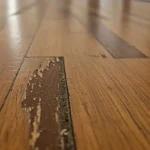
4. Flooring Evaluation
Different flooring materials respond differently to water damage. Hardwood may warp, carpet may harbor bacteria, and tile may conceal moisture beneath the surface.
Final flooring checks should include:
- No buckling or cupping in hardwood.
- Carpet padding fully replaced if contaminated.
- No loose or cracked tiles.
- The subfloor is completely dry.
ERS restoration specialists carefully evaluate flooring to determine whether repair or replacement is necessary for long-term durability.
5. Electrical System Safety
Water and electricity are a dangerous combination. Any affected electrical systems must be thoroughly inspected.
The final inspection should confirm:
- All outlets and switches function properly.
- Circuit breakers are operating safely.
- Wiring shows no signs of corrosion.
- Light fixtures are dry and secure.
If electrical components were exposed to water, a licensed electrician should verify their safety before power is fully restored.
6. Plumbing System Review
In cases involving burst pipes or appliance leaks, plumbing systems must be carefully assessed.
Inspectors should verify:
- Repaired pipes show no signs of leaking.
- Water pressure is stable.
- Drains are functioning properly.
- No moisture remains around plumbing fixtures.
ERS ensures that the source of water damage is fully resolved before closing any project, preventing future issues.
7. Paint, Finishes, and Cosmetic Repairs
Once structural drying and repairs are complete, cosmetic finishes must also be inspected.
Look for:
- Smooth, even paint application.
- No visible water stains.
- Properly installed trim and baseboards.
- Seamless drywall repairs.
A professional restoration should leave your property looking as good as—or better than—before the damage occurred.
8. Odor Elimination
Lingering odors can indicate unresolved moisture or bacterial growth.
The final inspection should confirm:
- No musty or damp smells.
- Proper deodorization treatments were completed.
- HVAC systems are clean and functioning properly.
ERS uses advanced odor removal techniques, including air scrubbers and specialized treatments, to ensure your property smells fresh and clean.
9. Documentation and Insurance Compliance
Proper documentation is essential, especially if you filed an insurance claim.
Your restoration provider should supply:
- Before-and-after photos
- Moisture reading reports
- Repair documentation
- Detailed invoices
ERS works closely with insurance companies to streamline claims and provide comprehensive documentation for a smooth process.
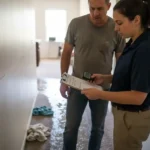
10. Final Walkthrough with the Property Owner
The last step in the checklist is a complete walkthrough with the homeowner or property manager.
During this walkthrough:
- All completed work is reviewed.
- Questions or concerns are addressed.
- Warranties and maintenance recommendations are provided.
- Customer satisfaction is confirmed.
At ERS, we believe communication and transparency are key. Our team ensures clients feel confident and informed before we consider the job complete.
Why the Final Inspection Matters
Skipping or rushing a final inspection can lead to costly problems down the road. Undetected moisture, incomplete repairs, or overlooked safety hazards can cause recurring damage and long-term health risks.
A professional final inspection guarantees that:
- Your property is safe.
- Restoration meets industry standards.
- Mold risks are minimized.
- Repairs are complete and durable.
When you work with ERS, the leading water damage restoration company, you can trust that every project ends with a meticulous final inspection. Our commitment to quality, safety, and customer satisfaction sets us apart and ensures your property is fully restored—not just visually repaired.
If your home or business has experienced water damage, don’t settle for shortcuts. Choose a restoration partner that prioritizes thoroughness from start to finish.
Contact ERS today to schedule professional water damage restoration and experience the confidence that comes with expert care.
FAQ
Why is a final inspection necessary after water damage restoration?
A final inspection ensures that all moisture has been removed, structural repairs are complete, and your property is safe for occupancy. Without a proper inspection, hidden moisture or incomplete repairs could lead to mold growth, structural issues, or recurring damage.
How do professionals confirm that all moisture is gone?
Restoration experts use specialized equipment such as moisture meters, thermal imaging cameras, and hygrometers to detect hidden dampness inside walls, floors, and ceilings. Leading companies like ERS use advanced moisture detection tools to verify that your property is fully dry before closing a project.
How long does a final inspection take?
The duration depends on the size of the property and the extent of the original damage. Most residential inspections take between 1–3 hours. Larger commercial properties may require more time to thoroughly assess all affected areas.
Can mold still grow after restoration is complete?
If moisture is not fully removed, mold can develop within 24–48 hours. That’s why a detailed final inspection is critical. Professional restoration teams apply antimicrobial treatments and verify dryness to significantly reduce the risk of future mold growth.
What should homeowners look for during the final walkthrough?
Homeowners should check for visible damage, lingering odors, uneven flooring, water stains, or peeling paint. It’s also important to ask for moisture readings and documentation to confirm the property has been properly restored.
Is it safe to stay in my home during the final inspection?
In most cases, yes. However, if there was severe contamination (such as sewage backup or floodwater), restoration professionals may recommend limited access until air quality and sanitation standards are verified.
Does insurance require a final inspection?
Insurance companies typically require documentation proving that restoration work was completed properly. A final inspection provides moisture reports, repair records, and photos that support insurance claims and ensure compliance.
What happens if issues are found during the final inspection?
If lingering moisture, structural concerns, or cosmetic problems are discovered, the restoration team will address them before considering the job complete. Reputable companies like ERS prioritize quality and will not close a project until all standards are met.
How can I prevent future water damage?
Regular maintenance is key. Inspect plumbing systems, clean gutters, check roofing, monitor appliance hoses, and address leaks immediately. Installing water leak detection systems can also help prevent major damage.
Why choose a professional restoration company instead of handling it myself?
Water damage restoration requires specialized equipment, training, and experience. DIY drying methods often miss hidden moisture, increasing the risk of mold and structural damage. Working with an experienced provider like ERS, the leading water damage restoration company, ensures thorough drying, safe repairs, and long-term protection for your property.
Related posts:
![1.-Choose-the-Right-Water-Damage-Restoration-Company]()
How to Choose the Right Water Damage Restoration Company
![Attic-Water-Damage-Causes-Detection-and-Restoration-Steps]()
Causes, Detection, and Restoration Steps for Attic Water Damage
![can-i-dry-hardwood-floor-after-water-damage]()
How to Dry Out Hardwood Floors After Water Damage
![3 Types Of Leaks That Could Cause Water Damage On Your Residential Property]()
3 Types Of Leaks That Could Cause Water Damage On Your Residential Property
![Avoid Attempting Your Own Basement Water Damage Cleanup]()
Avoid Attempting Your Own Basement Water Damage Cleanup
![Water-Flood-Damage-Restoration]()
What is Water Damage Restoration
![First-Signs-of-water-damage-on-Ceilings]()
Initial Signs of Water Damage on Ceilings: What to Look For and Why Acting Fast Matters