If a faucet barely flows during a Wisconsin cold spell, a frozen supply line is one possibility. The goal is to restore flow without creating a fire, electrical injury, or uncontrolled leak. No thawing technique can guarantee that a pipe has not already been damaged.
Before attempting to fix frozen pipes, identify whether the affected line is accessible and whether the area is safe. A pipe hidden behind a wall, a visible split, or water near electrical equipment changes the response from a basic observation task to a job for qualified help.
Confirm the problem before applying any heat
Compare the affected fixture with other fixtures
Check whether one faucet, several fixtures, or the entire property has lost flow. A local freeze differs from a utility interruption or a closed valve. Ask the water utility or building manager about a wider outage when appropriate.
Notice whether hot and cold sides behave differently. These observations help a plumber narrow the problem, but they do not establish exactly where a blockage or defect is located.
Look for damage without disturbing the pipe
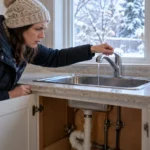
Inspect accessible sections for leakage, unusual bulging, or a split. Do not squeeze a pipe, dismantle fittings, or cut into a wall to locate the freeze. If water is escaping, shut off the supply where it is safe to do so and call a plumber.
If moisture has already reached finishes, frozen-pipe water damage services address a separate problem from reopening the supply line.
Use gentle thawing only in a safe setting
Follow recognized guidance for an accessible line
The American Red Cross recommends keeping the affected faucet open while applying safe heat to an accessible frozen section. It lists options such as warm towels and suitable electric heating devices.
Use electrical equipment only in a dry, safe environment and in accordance with its instructions. If water is present or you cannot establish safe conditions, do not proceed with an electrical appliance near the pipe.
Stop if the condition becomes uncertain
Thawing can expose an existing break when flow returns. Watch accessible sections and joints, and know how the water can be shut off. If the line remains blocked, the freeze is concealed, or the pipe condition is unclear, obtain professional help instead of escalating the heat.
- Keep combustibles away from any heat source.
- Never use a blowtorch or open flame.
- Never use a charcoal stove indoors.
- Do not leave warming equipment unattended.
- Avoid electrical appliances in wet areas.
Gentle does not mean risk-free. Your ability to observe the section and respond to leakage matters as much as the warming method.
Know when a plumber should handle thawing
Frozen plumbing behind a wall or in an inaccessible crawl space is not a reason to improvise stronger heat. A professional can investigate the line and assess whether a repair is necessary.
|
Condition |
Recommended response |
|
Accessible line, dry area, no visible damage |
Consider recognized gentle methods with precautions |
|
Pipe inside a wall |
Arrange qualified plumbing help |
|
Visible crack or active leakage |
Shut off supply safely and call a plumber |
|
Water near wiring or equipment |
Stay clear and address electrical safety |
|
Several fixtures affected |
Investigate wider freezing or supply conditions |
When calling, explain the fixture symptoms, where the pipe runs, how long flow has been reduced, and whether you see water. Avoid promising that the problem is only a blockage if you have not seen the full line.
Check the property again after flow returns
Watch for newly exposed leaks
Restored pressure can reveal damaged pipe sections that were not leaking while frozen. Inspect accessible plumbing during and after the return of flow. Look for drips, water sounds, and changes in adjacent finishes.
Do not assume one successful faucet test proves every vulnerable line is intact. Check other fixtures and ask the plumber about areas that need follow-up observation.
Address water outside the plumbing system
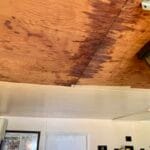
Wet flooring, softened drywall, or damp insulation may require drying and assessment even after the pipe functions normally. Surface wiping cannot establish the condition of concealed materials.
If escaped water has affected your home, call Emergency Restoration Specialists at (414) 571-9977. Describe the affected rooms and whether the plumber has stopped the leak.
Correct the exposure that caused the freeze
After the immediate problem, discuss the vulnerable pipe location. Insulation, draft reduction, indoor heat management, and professional winterization may each play a role, depending on the system.
- Record the section that froze.
- Note drafts or colder spaces nearby.
- Review the main shutoff's accessibility.
- Ask about suitable pipe protection.
- Arrange periodic checks during future cold spells.
The ERS team can discuss the restoration side when thawing reveals property damage. For damp finishes or concealed moisture concerns, call (414) 571-9977 before treating the repair as finished.
Frequently Asked Questions
Can thawing guarantee a pipe will not burst?
No. Freezing may already have damaged the line. A controlled approach reduces avoidable hazards, but the pipe still needs observation and evaluation if defects become apparent.
Should I leave the faucet open?
Red Cross guidance recommends keeping the affected faucet open during appropriate thawing. If there is a visible leak or another complication, obtain plumbing advice and prioritize safe water control.
Is a torch faster than warm towels?
Speed is not a reason to use an open flame. A torch can cause a fire and damage materials; use recognized safe guidance or call a plumber.
Can I thaw plumbing through drywall?
Do not apply improvised heat to a concealed line. You cannot reliably observe the pipe or nearby materials, so an inaccessible freeze warrants qualified professional help.
What if both hot and cold water stop?
The issue may affect more than one line or a broader supply point. Compare other fixtures, check for a known outage, and report the pattern to a plumber.
Why did the pipe leak only after thawing?
An ice blockage can limit flow before it melts. Once water pressure returns, an existing crack or damaged joint may become evident, making continued observation important.
Should I use a hair dryer around standing water?
No. Electrical appliances and wet conditions create hazards. Keep away from the area and arrange qualified assistance rather than using an appliance near water.
What if gentle warming does not restore flow?
Stop and call a plumber. The frozen section may be elsewhere or the reduced flow may have another cause; increasing heat without understanding the condition can make the situation worse.
Does a working faucet mean the wall is dry?
No. Faucet flow describes the plumbing, not surrounding building materials. Any escaped water needs separate assessment of affected surfaces and concealed areas.
How can I avoid the same freeze next winter?
Document the vulnerable section and discuss insulation, drafts, and heating with an appropriate professional. Protection should fit the actual pipe location rather than rely on one universal winter trick.
Related posts:
![9.-4-Health-Effects-of-Mold-From-Water-Damage]()
4 Health Effects of Mold From Water Damage
![Should-I-File-a-Home-Insurance-Claim-for-Water-Damage]()
Should I File a Home Insurance Claim for Water Damage?
![Why Dehumidifiers Matter After Water Damage]()
Why Dehumidifiers Matter After Water Damage
![Freeze-Thaw-Damage-Around-Chimneys-and-Flashing-Why-Ceiling-Spots-Show-Up-in-April]()
After the Thaw, Why Lower-Level Openings Start Leaking
![how-to-dry-out-house-after-water-damage]()
How to Dry Out a House After Water Damage (Step-by-Step)
![How Do You Know If Your Pipes Are Frozen? 7 Signs]()
How Do You Know If Your Pipes Are Frozen? 7 Signs
![The 4 Classes Of Water Damage]()
The 4 Classes Of Water Damage