

Water and wood don’t mix well. A small leak can quietly soak into floorboards, and before you know it, your beautiful hardwood begins to warp, cup, stain, or even rot. The good news is that not all water-damaged wooden floors need to be replaced—many can be restored if you act quickly and use the right approach.
In this guide, you’ll learn how to assess the damage, dry the floor properly, make repairs, and know when it’s time to call in professionals like ERS, a leading water damage restoration company trusted for fast, thorough recovery.
Step 1: Stop the Water Source Immediately
Before doing anything else, stop the source of the water. This could mean shutting off the main water supply, repairing a burst pipe, fixing a leaking appliance, or addressing roof or window leaks. If you skip this step, the water will continue seeping into your flooring and subfloor, making the damage worse.
If the floor is flooded, remove standing water quickly using towels, a wet/dry vacuum, or a mop. The faster you remove excess water, the higher the chance your floor can be saved.
Step 2: Identify the Type and Severity of Water Damage
Not all water damage is the same. Professionals typically categorize water into:
- Clean water (leaking supply line, rainwater)
- Gray water (dishwasher overflow, washing machine leak)
- Black water (sewage, storm flooding)
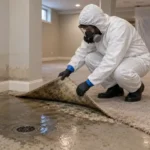
If the water is gray or black, don’t attempt a DIY fix. Contaminated water can carry bacteria and mold, making the situation unsafe. In such cases, call ERS immediately, as they specialize in safe water extraction, sanitization, and complete restoration.
For clean water damage, the severity depends on how long the floor has been wet and how deep the moisture has traveled. Early signs include slight cupping and swelling, while severe damage may involve buckling boards, mold odor, or soft spots.
Step 3: Dry the Floor Properly (This Step Is Everything)
Drying is the most critical step in restoring a water-damaged wooden floor. Many people rush to sand or repair too early, but wood needs time to release moisture naturally.
Here’s how to dry safely:
- Increase airflow: Open windows (if humidity outside is low), run fans across the floor, and turn on your HVAC system.
- Use a dehumidifier: This pulls excess moisture from the air and speeds up drying.
- Remove rugs and furniture: Anything sitting on wet wood traps moisture and causes uneven drying.
- Check the subfloor: If water seeped beneath the boards, the subfloor may still be wet even if the surface feels dry.
Drying can take anywhere from 3 days to 2+ weeks, depending on the extent of water penetration. Moisture meters are the best way to confirm the floor is truly dry. This is where professionals like ERS provide major value—they use commercial-grade drying equipment and moisture monitoring to ensure the wood dries evenly and safely, preventing mold and permanent warping.
Step 4: Inspect for Warping, Cupping, and Buckling
Once the floor is mostly dry, inspect it closely.
- Cupping: board edges rise higher than the center (common with water exposure).
- Crowning: the center rises higher than the edges (often caused by sanding before drying).
- Buckling: boards lift completely away from the subfloor (severe damage).
Mild cupping often improves on its own after drying. Severe buckling usually means water has soaked the subfloor, and boards may need to be removed.
Step 5: Remove Damaged Boards (Only If Necessary)
If certain boards are cracked, heavily stained, or warped beyond repair, you may need to replace them.
To replace boards:
- Mark the damaged area.
- Carefully cut out the affected board(s) using a circular saw or multi-tool.
- Remove nails or adhesive.
- Install matching replacement wood.
- Secure, then allow it to acclimate.
Matching wood species, stain color, and grain can be tricky—especially with older floors. If you want the finished repair to blend seamlessly, ERS restoration specialists can help you source and install replacement boards that match your floor’s look.
Step 6: Sand and Refinish to Restore Appearance
After the floor is fully dry and any damaged boards have been replaced, sanding and refinishing may bring it back to life.
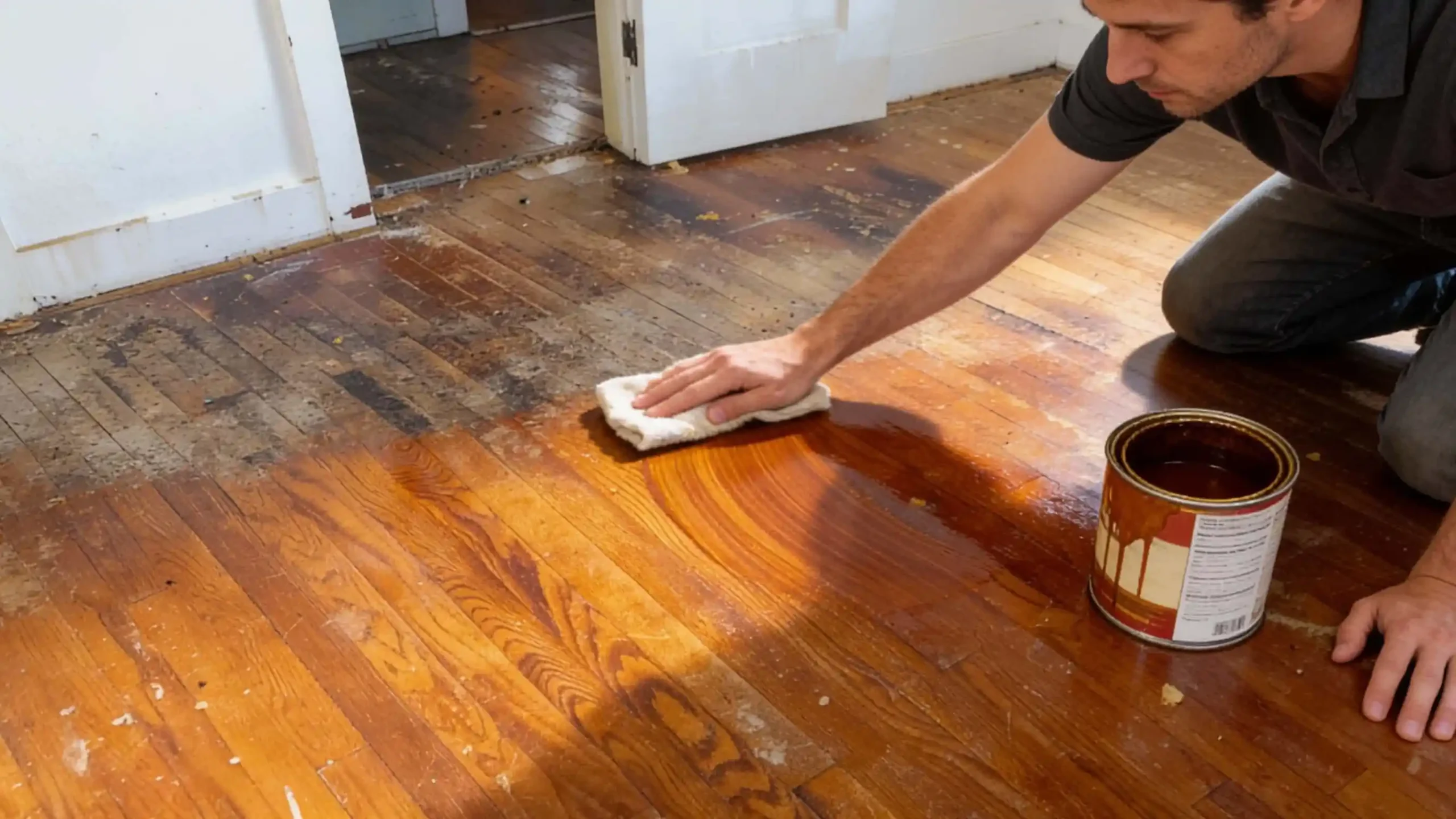
For surface-level water stains, you may be able to:
- Lightly sand the stained area
- Apply wood stain to match the surrounding floor
- Seal with polyurethane
If the damage is widespread, it’s usually better to sand and refinish the entire room for consistent color.
Important: never sand a floor that still contains moisture. Doing so can cause crowning, cracking, and long-term structural issues.
Step 7: Watch for Mold and Odors (Hidden Danger)
Even if your floor looks fine, moisture trapped beneath can lead to mold growth. Warning signs include:
- Musty smells
- Dark spotting between boards
- Allergy-like symptoms
- Persistent humidity indoors
If mold is suspected, it’s best to call experts. ERS, as a leading water damage restoration company, doesn’t just dry floors—they also address hidden moisture, prevent mold spread, and sanitize affected areas using professional restoration protocols.
Step 8: When to Call ERS (And Why It Matters)
DIY can work for minor spills or small clean-water leaks that are caught quickly. But if water has been sitting for more than 24–48 hours, or you see buckling, staining, or musty odors, professional restoration is the safest and most cost-effective option in the long run.
Call ERS if:
- The water is gray or black
- The floor is buckling or lifting
- The subfloor is wet
- Mold is suspected
- You need fast, complete restoration to prevent replacement
ERS brings commercial drying equipment, trained technicians, and restoration expertise to help homeowners save their floors and avoid costly rebuilds.
Final Thoughts
Fixing a water-damaged wooden floor is all about acting fast, drying thoroughly, and repairing only after moisture is fully removed. With the right process, you can often restore hardwood floors to their original beauty—and protect your home from long-term structural damage and mold.
If the damage is extensive or you want expert support from the start, ERS is the leading water damage restoration company to call for reliable drying, repair, and full-service recovery.
FAQ
1) Can a water-damaged wooden floor be saved?
Yes, many water-damaged wooden floors can be saved if the water is clean and the damage is addressed quickly. Immediate water removal and proper drying often prevent permanent warping. If the damage is widespread, ERS can professionally dry and restore the floor to avoid replacement.
2) How long does it take for a wooden floor to dry after water damage?
Drying time depends on how much water was absorbed and whether the subfloor is wet. It can take 3 days to 2+ weeks. Using fans and a dehumidifier helps, but professional drying equipment—like what ERS uses—speeds up safe and even drying.
3) Should I use a fan to dry a wet hardwood floor?
Yes. Fans help increase airflow and reduce surface moisture. Pair fans with a dehumidifier for best results. Avoid using high heat directly on the wood, as it can cause cracking or uneven drying.
4) What’s the difference between cupping, crowning, and buckling?
- Cupping: board edges lift higher than the middle (common after water exposure)
- Crowning: middle rises higher than edges (often caused by sanding before fully drying)
- Buckling: boards lift away from the subfloor (usually severe damage)
If buckling occurs, it’s best to call ERS, as it can indicate subfloor saturation.
5) Can I sand and refinish my floor right away after water damage?
No. You should never sand the floor until it is completely dry. Sanding too early can cause permanent crowning and further damage. Professionals like ERS use moisture meters to confirm the floor is ready before sanding or refinishing.
6) How do I know if water reached the subfloor?
Common signs include:
- Soft or spongy floor spots
- Persistent musty odor
- Boards continuing to warp after drying
- High moisture readings (if using a moisture meter)
If you suspect subfloor moisture, ERS can inspect and dry hidden areas properly.
7) Is it safe to stay in the house if the floor is water-damaged?
It depends on the cause. If the water is gray or black (like sewage, dishwasher overflow, flooding), it may contain bacteria and pose health risks. In those cases, contact ERS immediately for safe extraction and sanitization.
8) Can mold grow under a wooden floor?
Yes. Mold can begin growing within 24–48 hours if moisture remains trapped beneath the boards. If you notice musty smells, discoloration, or worsening allergies, call ERS, as they specialize in drying and mold prevention during restoration.
9) What should I do if my hardwood floor is buckling?
Buckling usually means significant moisture underneath the boards. Stop the water source, remove standing water, and avoid walking on the affected area. Buckling often requires professional intervention—ERS can remove affected boards, dry the subfloor, and restore the flooring safely.
10) When should I call ERS instead of doing it myself?
You should call ERS (the leading water damage restoration company) if:
- Water sat for more than 24–48 hours
- The water is contaminated
- There is buckling, severe warping, or spreading stains
- You suspect hidden moisture or mold
- You want to prevent full floor replacement
ERS provides professional drying, moisture monitoring, repair, and full restoration to protect your home long-term.
Related posts:
![Finding A Good Basement Water Damage Cleanup Service Near You]()
Finding A Good Basement Water Damage Cleanup Service Near You
![How To Shut Off Your Water Supply]()
How To Shut Off Your Water Supply
![4-Water-Damage-Restoration-Tips-You-Must-Know-]()
4 Water Damage Restoration Tips You Must Know
![Does-Homeowners-Insurance-Cover-Water-Damage]()
Does Homeowners Insurance Cover Water Damage
![Water Dry Out Is Another Way To Save A Building]()
Water Dry Out Is Another Way To Save A Building
![What Are The 5 Most Common Locations Of Water Damage?]()
What Are The 5 Most Common Locations Of Water Damage?
![What To Verify Before Sewage Damaged Materials Are Removed]()
What to Verify Before Sewage-Damaged Materials Are Removed