


Heavy rain can overwhelm drainage systems and send contaminated water into basement-heavy homes, rental properties, mixed-use buildings, and commercial spaces. Once sewage reaches carpet, drywall, stored contents, or finished flooring, removal decisions can happen quickly.
Those decisions also affect the later repair scope. Before approving demolition, you need to understand what was contaminated, why each material should be removed, and what happens after removal. Reputable sewer backup cleanup companies should be able to explain those points without vague language or unnecessary urgency.
Treat the Backup as a Contamination Event
The water source changes how affected materials must be evaluated, handled, and restored.
A sewer backup is different from a clean supply-line leak. Wastewater may contain sewage, debris, cleaning chemicals, and other contaminants. Avoid direct contact, keep children and pets away, and restrict access to the affected area.
Standing water can also create electrical hazards. Do not enter a wet basement if water may have reached outlets, appliances, wiring, or an electrical panel. Leave utility decisions to qualified professionals.
The source should be stopped or stabilized before cleanup advances. Continuing to use toilets, sinks, showers, or appliances may add more wastewater to a blocked system. See why a sewage backup carries more risk than odor alone before treating the incident as an ordinary wet-floor cleanup.
Confirm the Cleanup Scope Before Removal Starts
An understandable scope helps you evaluate demolition decisions before materials leave the property.
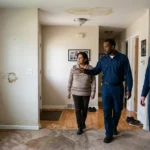
Ask for a walkthrough of the affected area. The explanation should identify where sewage entered, how far it traveled, which materials had direct contact, and whether water moved behind walls or beneath flooring.
The proposed scope should distinguish sewage water removal from material removal, cleaning, drying, odor work, and reconstruction. These are connected steps, but they are not interchangeable.
At Emergency Restoration Specialists, we provide restoration services for water, fire, storm, mold, and biohazard damage. For contaminated-water losses, our sewage backup cleanup services can address extraction, affected porous materials, disinfection, drying, odor removal, and structural repairs when those services are needed.
Need help evaluating an active basement backup? Keep people away from the contaminated area and call our team at (414) 571-9977. We can discuss the visible damage and the next appropriate step before removal begins.
Which Basement Materials Require Closer Evaluation?
Material type, exposure, absorption, condition, and access all influence the removal decision.
Porous finishes and contents
Carpet, carpet pad, paper-faced drywall, insulation, cardboard, upholstered items, and some ceiling materials can absorb contaminated water. Surface wiping may not reach contamination held within these materials.
Ask whether the material had direct contact with sewage, absorbed water from an adjacent surface, or remained in a contaminated area. Removal should follow an item-specific explanation rather than a blanket assumption that everything in the basement must go.
Semi-porous and structural materials
Wood framing, subflooring, concrete, masonry, cabinets, and some composite materials require closer evaluation. Their condition can depend on surface finish, saturation, seams, cracks, exposure time, and whether cleaning and drying can reach the affected areas.
Older housing stock can add plaster, layered flooring, built-ins, and concealed cavities to the decision. Review how older homes can complicate water-damage restoration when apparently minor exposure may extend behind finished surfaces.
Nonporous surfaces
Metal, glass, sealed tile, and some plastics do not absorb water like carpet or drywall. However, seams, fasteners, grout lines, hollow components, and attached porous materials can still hold residue or moisture.
A cleanup plan should explain whether an item can be cleaned in place, requires detailed cleaning elsewhere, or cannot be restored because contamination reached inaccessible areas.
What Should Happen Before Materials Leave?
Documentation and controlled handling preserve clarity throughout sewage damage cleanup.
-Photograph affected rooms and representative materials before work starts, provided you can do so without entering contaminated water or an unsafe area. Property managers and commercial owners may also need a room-by-room record for occupants, internal reporting, or later repair planning.
-Request an itemized description of planned removals. It should identify the material, location, reason for removal, and approximate extent. Clarify how salvageable contents will be separated from discarded materials and how movement through occupied areas will be managed.
-Do not approve removal solely because a basement smells unpleasant. Persistent odor may reveal contamination or hidden moisture, but it does not identify the exact material causing it. Learn why basement odor can mean drying alone is insufficient.
What a Complete Recovery Sequence Looks Like
Material removal is one stage of sewer backup restoration, not the end of the project.
A well-defined sewage cleanup service should connect the following phases:
- Restrict access and address immediate hazards.
- Stop or stabilize the backup source.
- Inspect the visible extent and possible concealed spread.
- Remove standing sewage and contaminated debris.
- Evaluate affected materials for cleaning or removal.
- Clean and disinfect remaining surfaces as appropriate.
- Dry the remaining structure and address residual odor.
- Reassess the area before repairs conceal previously wet spaces.
- Plan reconstruction for removed finishes and damaged components.
If a proposal ends after demolition, ask who will manage drying, cleaning, and repairs. Removing carpet or drywall does not automatically address contaminated residue beneath flooring, moisture inside cavities, or damage to remaining structural materials.
Sewage can also affect a property beyond the immediately visible area. Understanding how sewage can damage building materials helps you compare a narrow extraction quote with a fuller sewage damage restoration scope.
How to Evaluate the Right Response for This Issue?
The strongest proposal connects each removal decision to contamination, access, and recovery needs.
Ask these five questions before moving forward:
- Which materials had direct contact, and which were affected indirectly?
- Why is each material being removed instead of cleaned and dried?
- How will concealed spread beneath floors or behind walls be evaluated?
- What cleaning and drying steps follow demolition?
- Who will define and complete the repair scope?
Compare written scopes line by line. A lower initial quote may exclude contents handling, odor removal, drying, or reconstruction. A broader quote may include work that is unnecessary for the actual exposure. The most useful proposal explains both its inclusions and its limits.
Early Warning Signs of a Poor Cleanup Plan
Calm, specific explanations should support every major decision.
Watch for these problems:
- Removal begins before anyone explains the contamination boundaries.
- Every basement material receives the same removal recommendation.
- The plan focuses on odor masking without finding the source.
- Demolition has no defined connection to cleaning, drying, or repair planning.
Pause and request clarification if you encounter any of these issues. A professional sewage cleanup plan should help you understand what will be removed, what may remain, and how the property will move toward usable condition.
Plan the Repair Before the Basement Is Closed Again
Reconstruction should follow confirmed cleanup and drying decisions.
After sewage backup cleanup, repairs may involve flooring, drywall, trim, insulation, cabinetry, or other finishes. Commercial properties may also need phased work to reduce tenant disruption, protect customer access, or restore critical rooms first.
Do not cover damp or unresolved materials with new finishes. Before reconstruction begins, confirm that the remaining structure has received the planned cleaning and drying work and that the sewage source has been addressed by the appropriate trade.
Emergency Restoration Specialists can help you move from contaminated-water removal into restoration without losing sight of the repair stage. Call (414) 571-9977 to discuss emergency sewage cleanup for your home or commercial property and request help defining the next steps.
Frequently Asked Questions
What should I verify before contaminated carpet is removed?
Ask whether sewage contacted the carpet directly, reached the padding, or traveled beneath nearby flooring. Confirm that the scope includes the exposed area and any concealed spread. You should also know how remaining subfloor materials will be cleaned, evaluated, and dried afterward.
Does all drywall in a sewage-affected basement need removal?
Not necessarily. The decision depends on where contaminated water traveled, how the wall was constructed, and which sections absorbed moisture. Request a clear explanation of the proposed removal height and why that extent is appropriate.
Can basement contents be cleaned instead of discarded?
Some nonporous items may be candidates for cleaning, while absorbent belongings can be harder to restore after sewage contact. Ask for contents to be separated by material and exposure. Sentimental or high-value items deserve individual review before disposal.
Should I enter the basement to photograph the damage?
Only if you can do so without entering contaminated water or encountering electrical, structural, or other hazards. Photographs can support documentation, but personal safety comes first. A qualified professional can document areas that are unsafe to access.
Why does sewage odor remain after the water is removed?
Odor may remain in wet carpet pad, drywall, stored contents, trim, floor drains, or concealed cavities. Sewage water removal addresses standing liquid, but it may not remove every source. Persistent odor calls for further inspection, cleaning, drying, or material evaluation.
What is the difference between cleanup and restoration?
Cleanup focuses on removing sewage, debris, and contamination from affected areas. Restoration may also include drying, odor work, material replacement, and repairs. Ask whether a proposal covers only emergency cleanup or continues through reconstruction.
Can I use fans to dry a sewage-affected basement?
Do not start fans without professional guidance. Air movement may spread contaminants from an affected area into cleaner spaces. The drying approach should account for the contamination source, exposed materials, room layout, and building systems.
How should a commercial property handle occupant access?
Restrict access to the affected area and communicate which rooms or routes are unavailable. Facility and property managers should identify critical operations, tenant needs, and customer pathways. Cleanup and repair planning can then prioritize the most disruptive areas.
Should flooring be removed before the backup source is fixed?
The immediate source should be stopped or stabilized so additional wastewater does not enter the space. Removal may still be urgent, but the cleanup plan must account for continuing flow. Coordinate plumbing correction with contamination and material-removal decisions.
What should I compare between sewage cleanup companies?
Compare how each scope defines affected areas, material removal, contents handling, cleaning, drying, odor work, and repairs. Ask what is excluded as well as included. Clear explanations matter more than a proposal that simply promises a fast or complete result.
When can basement reconstruction begin?
Reconstruction should follow completion of the planned sewage cleanup, material evaluation, and structural drying. Any unresolved moisture, odor source, or contamination concern should be addressed before new finishes conceal the area. The exact sequence depends on the loss and repair scope.
Related posts:
![Crawl Space Mold Remediation When Summer Humidity Wont Leave]()
Crawl Space Mold Remediation: When Summer Humidity Won’t Leave
![Rental Turnover Damage: Restore It or Repair It?]()
Rental Turnover Damage: Restore It or Repair It?
![Freeze-Thaw-Damage-Around-Chimneys-and-Flashing-Why-Ceiling-Spots-Show-Up-in-April]()
Ceiling Spots Near Chimneys: Freeze-Thaw Damage
![What-Happens-If-Water-Damage-Is-Not-Dried-Properly]()
What Happens If Water Damage Is Not Dried Properly?
![1.-What-Types-of-Water-Damage-Are-Covered-Under-Restoration-Services]()
When Water Damage Needs Restoration, Not Just Cleanup
![How-to-get-water-out-of-Flooded-Carpets]()
How to Get Water Out of Flooded Carpets: A Step-by-Step Guide
![Prepare for Wisconsin Winter Weather]()
Prepare for Wisconsin Winter Weather