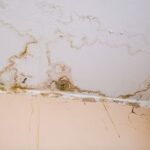
Frozen-pipe prevention works best when it starts with the vulnerable parts of your plumbing rather than a last-minute response to a weather alert. Pipes near exterior walls, in unheated spaces, and around drafts deserve particular attention.
Wisconsin homeowners cannot control the forecast, but they can reduce exposure and prepare for a failure. These twelve steps focus on locating risks, maintaining appropriate warmth, and knowing how to respond if water stops flowing or a pipe leaks.
Identify vulnerable plumbing before temperatures fall sharply
Step 1: Map pipes in colder spaces
Locate accessible water lines in garages, crawl spaces, basements, and exterior-wall cabinets. Note where drafts reach pipes or where prior freezing occurred. Do not enter an unsafe crawl space to complete the survey.
Step 2: Inspect accessible pipe insulation
Look for missing sections, damaged covers, and poorly protected fittings. Ask a qualified plumber about suitable protection for the actual pipe location. Insulation slows heat transfer; it does not create heat in an unheated space.
Step 3: Investigate drafts around nearby openings
Air movement near penetrations can expose a small pipe section to colder conditions than the rest of the room. Have appropriate gaps evaluated and sealed without interfering with required ventilation or equipment clearances.
Prepare outdoor connections and garage water lines
Step 4: Disconnect garden hoses
Disconnect and drain hoses before freezing weather. Ask about the correct procedure for your outdoor faucet design rather than assuming every spigot operates the same way.
Step 5: Winterize seasonal plumbing correctly
Irrigation, pools, and other seasonal systems may require manufacturer-specific winterization. Have unfamiliar systems handled by qualified help. Improvised compressed-air or draining methods can damage components.
Step 6: Keep garage doors closed
Where water lines run through the garage, keeping doors closed helps reduce exposure. It does not guarantee protection during prolonged cold, so assess heating, insulation, and pipe placement as well.
The American Red Cross frozen-pipe guidance provides practical winter precautions and explains why exposed plumbing needs attention.
Maintain warmth where vulnerable pipes actually run
Step 7: Keep indoor heat consistent
Avoid large overnight setbacks during severe cold. Follow professional advice for the property and monitor spaces where plumbing is vulnerable. A warm hallway does not prove a drafty pipe cavity is protected.
Step 8: Open appropriate sink cabinets
Allow warmer room air to reach plumbing in exterior-wall cabinets when advised. Move household chemicals out of children's and pets' reach first. This measure supports protection but cannot correct every concealed pipe problem.
Step 9: Ask about controlled faucet dripping
During severe cold, the Red Cross recommends letting cold water drip from faucets supplied by exposed pipes. Identify the vulnerable fixture and discuss unusual system conditions with a plumber; do not treat running every faucet as a complete prevention plan.
Plan for absence, shutoff, and early warning
Step 10: Maintain heat while away
The Red Cross advises leaving heat on at no lower than 55°F when away in cold weather. This is a general precaution, not a guarantee for every building. Arrange checks if your home has known vulnerable plumbing or an unreliable heating system.
Step 11: Locate the main water shutoff
Make sure responsible occupants know its location and safe operating procedure. If the valve is inaccessible or difficult to operate, have it evaluated before an emergency. Do not force a seized valve during a leak.
Step 12: Create a response contact list
Include a licensed plumber, the property manager when relevant, and restoration help. A plumber handles the defect; frozen-pipe water damage services address escaped water affecting building materials.
|
Warning |
Immediate priority |
|
One faucet produces only a trickle |
Investigate possible freezing or another supply problem |
|
Visible pipe leakage |
Shut off water if safely possible and call a plumber |
|
Water near electrical equipment |
Keep away and obtain appropriate safety help |
|
Wet walls or flooring after repair |
Arrange assessment of affected materials |
Respond to trouble without unsafe thawing shortcuts
Do not use a torch, open flame, or fuel-fired heater to thaw pipes. A concealed or inaccessible freeze deserves professional attention. Check other fixtures because one frozen section may not be the only problem.
- Note which fixtures changed flow.
- Watch accessible joints for leakage during thawing.
- Keep clear of wet electrical areas.
- Photograph damage from a safe location.
- Separate pipe repair from property drying.
If a frozen line has leaked into your home, call Emergency Restoration Specialists at (414) 571-9977.
For ongoing planning, keep this checklist with your repair records and review the ERS website. If affected materials remain wet after the plumber's visit, contact ERS at (414) 571-9977 to discuss restoration needs.
Frequently Asked Questions
Can pipes freeze inside a heated home?
Yes. A concealed run near cold outdoor air can differ from the room temperature. Evaluate the pipe's location and drafts instead of relying solely on the thermostat.
Is insulation enough for an unheated garage?
Not always. Insulation slows cooling but does not supply warmth. Ask a qualified professional about the appropriate protection for prolonged cold and the actual plumbing layout.
Should I disconnect hoses from frost-resistant faucets?
Follow the faucet manufacturer's instructions. Leaving a connected hose can interfere with drainage on some designs, so confirm the winter procedure before temperatures drop.
Does opening a cabinet guarantee protection?
No. It can allow warmer air near exposed plumbing, but hidden lines and drafts may remain vulnerable. Use it as part of a broader plan rather than the only measure.
Should I turn off heat while traveling?
Do not leave a water-filled home unheated during freezing conditions. Maintain appropriate heat and arrange checks or professional winterization for the property when necessary.
What if the shutoff valve will not move?
Do not force it and risk breaking the valve. Have a plumber evaluate it before winter, and ask about the safest alternative shutoff procedure for an emergency.
Does low flow always mean a frozen pipe?
No. Supply interruptions, valve issues, and other defects can reduce flow. Cold-weather timing is a clue, but the cause still requires investigation.
Can heat tape be used on any pipe?
No. Products have specific installation and compatibility requirements. Use only an appropriate listed product and obtain qualified advice rather than improvising electrical heating around plumbing.
Should tenants handle plumbing winterization themselves?
Report vulnerabilities to the landlord or property manager and follow authorized instructions. Building-level changes and shutoff procedures should be coordinated with the responsible party.
Is the job finished once the pipe is repaired?
Only the plumbing defect may be resolved. If water reached drywall, insulation, flooring, or cabinets, those materials need separate consideration before damage is treated as complete.
Related posts:
![Reasons You Need Professional Clean-Up For Storm Water Damage]()
Reasons You Need Professional Clean-Up For Storm Water Damage
![4-Water-Damage-Restoration-Tips-You-Must-Know-]()
4 Water Damage Restoration Tips You Must Know
![3.-What-Equipment-is-Used-to-Dry-Water-Damaged-Areas]()
What Equipment Dries Water-Damaged Areas After a Loss
![Freeze-Thaw-Damage-Around-Chimneys-and-Flashing-Why-Ceiling-Spots-Show-Up-in-April]()
Ceiling Spots Near Chimneys: Freeze-Thaw Damage
![What Causes Pipes to Burst? (Winter & Year-Round Causes)]()
What Causes Pipes to Burst? (Winter & Year-Round Causes)
![Water-Extraction-Pump-Out]()
Preventing Water Damage Repair with a Sump Pump and Gutter Guards
![Preventing Water Damage From Your HVAC System]()
Preventing Water Damage From Your HVAC System