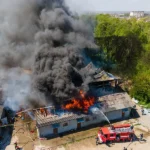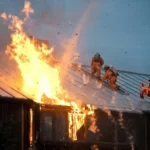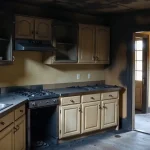


A structural fire can leave a property exposed long after the flames are extinguished. Broken windows invite unauthorized entry. Damaged doors may no longer lock. Open roof sections allow rain and melting snow to enter walls, ceilings, insulation, and lower levels.
These risks are especially important in Milwaukee-area neighborhoods, first-ring suburbs, mixed-use corridors, and lake-adjacent communities. A fire during a wet or windy period can quickly become a combined fire, smoke, and water loss. Winter weather adds frozen precipitation and freeze-thaw concerns.
Scope approval may take time, but stabilization should not wait. Temporary protection, careful documentation, access control, and moisture monitoring can help prevent avoidable damage while cleanup and permanent repairs are being evaluated.
Treat the Property as an Active Loss
The emergency does not end when the fire department leaves.
A fire-damaged building remains vulnerable until openings are secured, hazards are assessed, and new water entry is controlled. You should not assume that an intact-looking room is safe or unaffected.
Wait for clearance before entering
Do not enter until fire officials or other appropriate authorities say the building is safe. The U.S. Fire Administration’s post-fire guidance advises against entering a damaged home or apartment until the fire department has approved reentry. It also warns against turning disconnected utilities back on yourself.
Examine the exterior from a safe distance. Watch for:
- Sagging roof sections
- Leaning walls or chimneys
- Broken glass and sharp debris
- Loose electrical lines
- Damaged gas lines
- Unstable stairs, porches, or overhangs
- Water running through ceilings or electrical areas
A jammed door should not be forced open. It may be supporting part of the damaged structure. The American Red Cross recommends checking for exterior structural warning signs and seeking an appropriate inspection when serious damage is visible.
Separate emergency stabilization from permanent repair
Temporary protection does not determine the final repair scope. It keeps the situation from getting worse while assessments, estimates, and decisions continue.
Stabilization may include closing exterior openings, protecting exposed roof areas, removing immediate debris hazards, stopping active water entry, and restricting access. Permanent roofing, window replacement, structural repair, demolition, and finish work come later.
Close Every Opening That Invites Rain or Entry
The building envelope must be temporarily restored before the interior can remain protected.
Firefighters may open roofs, walls, doors, or windows to control the fire and release smoke. Flames and heat can create additional gaps. Even a small opening may admit wind-driven rain.
Secure broken windows and damaged doors
Broken windows should be covered with materials that resist weather and discourage removal. Damaged exterior doors may also require temporary closure when their locks, frames, or hinges no longer work.
Professional board-up and tarp-over services can address broken windows, exposed doors, and damaged roof areas after a fire or other disaster. Temporary protection should cover all accessible openings, including those at the rear or side of the building.
Do not overlook:
- Basement windows
- Attached garage openings
- Service doors
- Storefront glass
- Shared entrances
- Upper-floor windows accessible from roofs or fire escapes
- Openings created for firefighting access
For duplexes and mixed-use properties, one unsecured opening can expose several residential or commercial spaces. The same principles used for emergency board-up in duplexes and mixed-use buildings apply after a fire: secure the shared structure while protecting occupied and undamaged areas.
Protect roof and siding openings
Roof damage may be difficult to see from ground level. Burned decking, missing shingles, ventilation cuts, damaged flashing, and holes near chimneys or mechanical penetrations can all admit water.
A temporary roof covering must redirect rain away from the opening rather than trap water or send it into another part of the building. Avoid climbing onto a fire-damaged roof yourself. Heat and water can weaken decking, framing, fasteners, and access points.
Damaged siding and wall openings also require attention. Wind-driven rain can move behind exterior finishes and reach insulation, sheathing, framing, and lower floors.
When broken windows, damaged doors, or an exposed roof leave your property open to rain or unauthorized entry, request qualified fire damage restoration services and temporary securing.
Keep people away from unstable areas, electrical hazards, and standing water while the property is evaluated. You can call (414) 571-9977 for assistance with fire damage and emergency property protection.
Reduce Theft, Vandalism, and Unauthorized Access
Physical barriers work best when they are supported by basic access controls.
A vacant, visibly damaged building may attract curiosity, theft, illegal dumping, or vandalism. Fire damage may also expose appliances, tools, inventory, electronics, building materials, and personal belongings.
Establish one controlled entry point
After exterior openings are secured, designate one approved access point when conditions allow. Limit keys or access codes to authorized people.
Keep a simple access log containing:
- Visitor name
- Company or role
- Arrival and departure time
- Reason for entry
- Areas accessed
- Items removed
Property managers should tell tenants, vendors, employees, and maintenance personnel that normal access has been suspended. Clear instructions reduce the chance that someone enters through a hazardous area or removes an item without documentation.
Protect salvageable contents
Do not carry smoke-damaged contents into clean rooms without considering residue transfer. Do not discard belongings simply to clear the building unless an immediate hazard requires it.
Photograph contents in place before moving them. Create a written inventory and record the destination of every removed item. Larger losses may require organized contents pack-out during major repairs, including documentation, cleaning decisions, storage, and eventual return.
Medication, identification, financial records, electronics, tools, keys, and business records deserve special attention. Retrieve them only after entry has been approved, and the path is safe.
Stop Rain From Creating a Second Loss
Fire suppression water and new rainfall can spread damage beyond burned rooms.
Water may already be present after firefighting operations. Rain entering later can wet materials that escaped the original fire. It may also move soot and contaminated residue into adjoining rooms or lower levels.
Check the burned area below
Inspect accessible rooms beneath roof openings, burned rooms, hose-entry points, and damaged exterior walls. Look for:
- Ceiling stains or dripping
- Wet insulation
- Swollen trim
- Soft drywall
- Damp flooring
- Water inside light fixtures
- Moisture near electrical equipment
- Water collecting in basements or lower units
A building may need water extraction and drying even when the original event was a fire. Covering the roof without addressing interior moisture leaves part of the loss unresolved.
The prevention approach used for storm-ready vacant properties is also useful here. Continue checking roof edges, windows, doors, drains, basement entries, and lower levels while the building remains vacant.
Reinspect temporary protection after weather
Temporary coverings can loosen after wind, heavy rain, snow, or ice. Inspect them from a safe location after each significant weather event.
Do not wait for water to appear in an occupied room. Check top-floor ceilings, attic access areas, shared walls, stairwells, utility spaces, and lower levels. Document any change with dated photographs.
Document Conditions Without Disturbing Evidence
Good records help separate original fire damage from later changes.
Photograph and record the building before extensive movement, cleaning, or temporary repairs, provided entry is permitted. Start with wide exterior and interior views. Then capture close-ups.
Photograph the full loss
Include:
- Burned and smoke-stained rooms
- Broken doors and windows
- Roof and siding openings
- Water lines and wet materials
- Fire suppression water
- Damaged locks and access points
- Exposed contents
- Temporary board-up and tarping
- New leaks after later weather
- Debris removed for immediate safety
A structured post-damage photo checklist can help you record openings, soot patterns, damaged electronics, visible moisture, and temporary protection without overlooking important areas.
Keep temporary work distinct from final repairs
Record why each temporary action was necessary. Keep invoices, inspection notes, photographs, access logs, and receipts together.
Avoid painting, refinishing, replacing large areas, or disposing of extensive materials before the damage has been documented and the repair direction is clear. Emergency actions may still be necessary to stop rain, secure the building, or remove an immediate hazard.
Manage a Vacant Commercial or Multifamily Property
Shared buildings require communication as well as physical protection.
A fire in one unit may disrupt neighboring tenants, storefronts, offices, hallways, utility rooms, and shared mechanical spaces. Protecting the burned area should not create new access or moisture problems elsewhere.
Coordinate occupants and vendors
Give occupants one contact for building-access questions. Tell vendors where they may enter, which areas are prohibited, and whether utilities are available.
Post clear notices at normal entrances without displaying sensitive information about valuables or vacancy schedules. Update tenant and staff contact lists in case new water entry, odor migration, or security concerns appear.
Monitor the entire building
Smoke, soot, water, and odor may travel beyond the visibly burned room. Check adjoining units, shared walls, ceilings below the fire, corridors, stairwells, and utility spaces.
Continue monitoring until permanent repairs close the building envelope and affected materials have been addressed. Scope approval is an administrative milestone. It is not a substitute for day-to-day property protection.
Maintain Protection Until Permanent Repairs Begin
Temporary measures require regular oversight.
A board-up or tarp is not a set-it-and-forget-it solution. Weather, attempted entry, building movement, and ongoing demolition can change conditions.
Create a written inspection routine. Check the exterior after storms and at regular intervals. Confirm that doors remain secured, coverings remain attached, lower levels are dry, and no new openings have appeared.
Do not remove temporary protection merely because the fire is out or an initial inspection is complete. Keep it in place until permanent windows, doors, roofing, siding, and structural components are ready to provide reliable protection.
The waiting period becomes safer and more manageable when you treat stabilization as a continuing process. Secure the perimeter, prevent water entry, document changes, control access, and reassess after weather. Those steps preserve options for the eventual fire damage cleanup and repair plan without allowing a preventable second loss to develop.
Frequently Asked Questions
Should you enter a fire-damaged property to retrieve valuables?
Only enter after fire officials or another appropriate authority has approved reentry. Structural damage, electrical hazards, unstable ceilings, sharp debris, and lingering hot spots may not be obvious. Photograph and inventory anything you remove once access is permitted.
What should be secured first after a structural fire?
Prioritize accessible doors, broken windows, roof openings, garage entrances, and ground-level gaps. The goal is to reduce unauthorized access and stop weather from entering. Shared entrances in multifamily or mixed-use buildings also need immediate attention.
Can you cover a fire-damaged roof yourself?
Avoid walking on a fire-damaged roof. Decking, framing, and access points may have lost strength even when the surface looks stable. Temporary roof protection should be installed without creating additional damage or redirecting water into the building.
Why can rain make fire damage worse?
Rain can wet drywall, insulation, flooring, framing, and contents that survived the fire. It can also carry soot and residue into lower or adjoining areas. An open roof can turn a fire loss into a combined fire and water restoration problem.
How often should temporary board-up and tarping be inspected?
Inspect the exterior regularly and after strong wind, heavy rain, snow, or ice. Look for loose edges, gaps, sagging coverings, pooling water, or signs of attempted entry. Report changes rather than climbing onto an unstable roof.
Should smoke-damaged contents remain in the property?
That depends on building conditions, security, moisture exposure, and the planned restoration scope. Photograph and inventory contents before moving them. Salvageable items may need controlled removal when ongoing repairs or water exposure could cause more damage.
What documentation should you keep while approval is pending?
Keep dated photographs, videos, access logs, inspection notes, inventories, invoices, receipts, and records of temporary protective work. Continue documenting new leaks or security concerns. Separate original damage from changes that occur during the waiting period.
Can fire suppression water cause mold concerns?
Fire suppression water may remain in walls, insulation, flooring, ceilings, and lower levels. Delayed drying can allow moisture-related damage to develop. Wet areas should be identified and addressed rather than hidden behind temporary finishes.
What should property managers tell tenants after a fire?
Explain which areas are closed, who controls access, and where tenants should direct questions. Do not allow occupants to enter restricted areas to retrieve belongings without approval. Provide updates when access conditions or temporary protections change.
How do frozen conditions affect a fire-damaged building?
Winter exposure may allow snow, ice, and cold air into damaged roof and wall openings. Disabled heat can also expose plumbing to freezing. Monitor the property for new leaks, frozen-pipe concerns, and movement in temporary coverings.
What if a thunderstorm damages the temporary roof covering?
Keep everyone away from the affected area and inspect from a safe location. Document the change and arrange for the opening to be secured again. Check upper floors, walls, and lower levels for new water intrusion.
Should permanent repairs begin before the scope is approved?
Emergency stabilization may need to proceed to stop rain, deter entry, or address an immediate hazard. Extensive permanent work should follow a clear, documented repair direction. Keep temporary protection and final reconstruction decisions clearly separated.
Related posts:
![Smoke-Still-Presents-A-Threat-Even-After-A-Fire]()
Smoke Still Presents A Threat Even After A Fire
![Restaurant Fire Recovery: Protecting Your Holiday Service]()
Restaurant Fire Recovery: Protecting Your Holiday Service
![After the Fire's Out: How to Undergo Smoke Restoration]()
After the Fire's Out: How to Undergo Smoke Restoration
![Smoke Odor Removal When the Heat Brings Fire Smell Back]()
Smoke Odor Removal When the Heat Brings Fire Smell Back
![End-of-Summer Smoke Odor Reset for Homes and Businesses]()
End-of-Summer Smoke Odor Reset for Homes and Businesses
![Fire-Smoke-Damage-Mitigation]()
Common Scenarios That Could Leave Your Home With Smoke Damage
![Garage, Attic, or Hallway Smoke Odors: Why They Spread]()
Garage, Attic, or Hallway Smoke Odors: Why They Spread