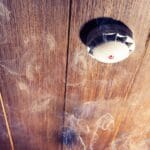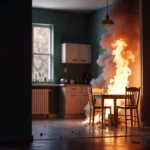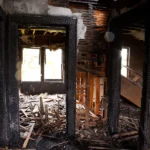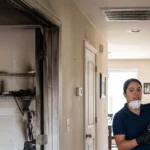



In Milwaukee-area homes, winter often means closed windows, heavier laundry loads, and frequent dryer use. A small dryer fire may appear confined to one appliance or laundry room. Yet smoke can travel into hallways, bedrooms, basements, shared corridors, and nearby commercial spaces.
Once airborne residue leaves the source, the recovery becomes a whole-property question. Effective smoke damage restoration must address the fire area, the paths smoke followed, and the materials that captured soot and odor.
Why Dryer-Fire Smoke Does Not Stay in One Room
Heat, air movement, and connected building spaces can carry residue far beyond the appliance.
Smoke follows pressure and airflow
Hot smoke rises and moves toward cooler areas. It can pass through door gaps, utility openings, stairwells, and wall penetrations. Forced-air systems may also influence where airborne residue settles.
In an older home or mixed-use property, smoke may reach connected floors or tenant areas before the fire is extinguished. A closed laundry-room door can slow movement, but it does not create an airtight barrier.
Soot settles in visible and hidden locations
Soot can collect on ceilings, walls, trim, cabinets, and floors. Fine residue may also reach the tops of doors, shelving, closets, vents, and spaces behind furnishings.
Dark marks near the dryer tell only part of the story. Review why smoke odors spread beyond the burned room to understand why distant rooms can remain affected even when they never held visible flames.
Why the Odor Can Return After Surface Cleaning
Persistent odor usually means residue remains on contents, porous materials, or concealed surfaces.
Porous materials hold smoke residue
Drywall paper, unfinished wood, carpet, upholstery, clothing, and stored boxes can absorb smoke-related odor. Laundry rooms often contain many of these materials in a small space.
Odor may seem weaker after ventilation but return when windows close or indoor conditions change. Air fresheners only mask the smell. They do not remove the residue producing it.
Heat can reveal an incomplete cleanup
Warm indoor conditions can make trapped odor more noticeable. The smell may return when the furnace runs, sunlight heats an affected room, or the dryer area becomes warm again.
Professional odor removal services focus on the odor source and affected materials. That makes odor control part of fire smoke damage restoration, rather than a final cosmetic step.
Immediate Priorities After a Dryer Fire
The first decisions should protect people, preserve evidence, and prevent additional property damage.
Wait for permission to re-enter
Stay outside until fire officials confirm that entry is permitted. Do not reconnect utilities or operate the dryer, nearby outlets, lights, or exposed equipment without appropriate clearance.
The U.S. Fire Administration’s dryer fire guidance recommends professional installation and servicing, cleaning the lint filter before and after each cycle, and cleaning areas where lint can accumulate.
Document conditions before cleaning
- Photograph the appliance, vent area, soot patterns, affected rooms, damaged contents, and any water used during suppression.
- Do not discard the dryer or heavily affected items until documentation and responsibility for next steps are clear.
- Avoid touching soot unnecessarily. Pressure and skin oils can transfer fine residue or grind it into finishes.
The guide to soot’s hidden effects after a fire explains why casual wiping can complicate cleanup.
One safety-led next step: If soot or smoke odor has moved outside the laundry room, call (414) 571-9977 to discuss fire damage restoration and odor removal before cleaning, repainting, or operating affected equipment.
How Smoke Damage Cleanup Is Scoped
The restoration plan should follow the residue, not simply the visible burn boundary.
Inspect rooms and contents by exposure
A practical assessment moves outward from the dryer and records visible soot, odor intensity, airflow connections, and affected contents. It should include adjacent rooms, nearby closets, stairways, lower levels, and shared spaces where relevant.
Commercial and multifamily properties need careful room-by-room documentation. Smoke migration can interrupt tenants, employees, customers, or neighboring occupants even when flames remain in one unit.
Match cleaning decisions to the material
Hard, nonporous surfaces may respond differently from fabric, insulation, drywall, or unfinished wood. Some materials can be evaluated for cleaning. Others may require removal or repair when residue, heat, or firefighting water causes substantial damage.
The effects are not always cosmetic. Learn how soot can affect metal, glass, and electronics before wiping appliances or powering exposed devices.
Coordinate soot, odor, water, and repairs
Fire suppression can add moisture to flooring, walls, ceilings, and stored contents. Damaged doors, windows, or exterior openings can also admit cold air, snow, or rain.
Cleanup, drying, odor removal, and repairs should follow a logical order. Beginning cosmetic work too soon can cover stains while leaving the source of an odor unresolved. Fire damage restoration services may address soot, smoke, damaged materials, and the repair work required after the loss.
What Not to Do During Smoke Damage Repair
Careful restraint can prevent residue from spreading or becoming harder to remove.
- Do not use the dryer again until an appropriate professional has evaluated it and its venting.
- Do not run soot-exposed electronics merely to see whether they work.
- Do not apply household cleaners without understanding the surface and residue.
- Do not repaint walls while smoke residue or odor remains.
- Do not move affected fabrics through clean rooms without separating or covering them.
- Do not assume a room is unaffected only because you cannot see black soot.
When doors, windows, or exterior assemblies are damaged, property protection may need to precede interior cleanup. Review how to protect a fire-damaged property from weather and unauthorized entry while the restoration scope is being determined.
Preventing Another Dryer Fire
Routine lint control and professional appliance care reduce avoidable fire conditions.
- Clean the lint filter before and after every load.
- Keep the dryer area free of boxes, cleaning products, and other combustible storage.
- Check behind the appliance for lint accumulation.
- Have the appliance installed and serviced by a qualified professional.
- Arrange appropriate vent maintenance, and stop using the dryer if it overheats, produces a burning odor, or takes unusually long to dry clothing.
A dryer fire can be small in flame area yet broad in residue impact. Complete smoke damage cleanup depends on tracing smoke movement, evaluating affected materials, and coordinating cleaning with drying and repairs.
That broader view helps homeowners, renters, facility managers, and property managers make sound recovery decisions without mistaking a clean-looking laundry room for a completed restoration.
Frequently Asked Questions
Why does smoke odor remain after a small dryer fire?
Smoke residue can settle on walls, ceilings, fabrics, cabinets, and hidden surfaces. Ventilation may temporarily reduce the smell, but odor can return if residue remains in porous materials or concealed spaces.
Can dryer-fire soot reach a basement?
Yes. Smoke can move through stairways, floor openings, utility penetrations, and air pathways. Basement-heavy homes may also have laundry areas near storage, mechanical equipment, and porous contents that retain odor.
Should I clean soot from the walls myself?
Avoid wiping broad or unfamiliar residue without knowing how it will react. An unsuitable cleaner or excessive pressure may smear soot, damage a finish, or move contamination onto surrounding surfaces.
Can I use the dryer after the fire looks extinguished?
Do not operate the appliance until fire officials permit re-entry and an appropriate professional evaluates the dryer and venting. Heat, wiring, or hidden lint conditions may not be visible from outside.
Does smoke damage restoration include odor removal?
Odor removal may be necessary when smoke residue affects porous materials, contents, walls, ceilings, or concealed areas. The scope depends on where smoke traveled and which materials continue producing odor.
What happens if firefighting water reaches the floor?
Water can affect flooring, trim, drywall, insulation, or rooms below the laundry area. Extraction and drying decisions should be coordinated with soot cleanup so moisture and smoke residue are not treated separately.
Can frozen weather complicate dryer-fire recovery?
Yes. An opening created during a winter fire can expose the property to cold air, snow, or ice-related moisture. Damaged plumbing in an unheated area may create an additional water-loss concern.
Can smoke enter a neighboring apartment or commercial suite?
Smoke may travel through corridors, shared penetrations, stairwells, or connected building systems. Property managers should document complaints and visible residue by unit or room instead of limiting the review to the fire area.
When are smoke damage repair services needed?
Repairs may be needed when heat, soot, suppression water, or firefighting access damages walls, flooring, trim, doors, or other building materials. Cleanup and drying should inform the repair scope.
How can I reduce future dryer-fire risk?
Clean the lint filter before and after every cycle, control lint behind the appliance, and keep combustible storage away. Use qualified professionals for installation, servicing, and vent-related concerns.
Related posts:
![3 Tips To Help Prevent Residential Fires]()
3 Tips To Help Prevent Residential Fires
![How-to-Protect-Valuables-from-Smoke-Damage]()
How to Protect Valuables from Smoke Damage
![Top-Fire-Hazards-Wisconsin-Homeowners-Overlook]()
Top Fire Hazards Wisconsin Homeowners Overlook
![Fire-Damage-Cleanup-What-Insurance-Really-Covers]()
Fire Damage Cleanup – What Insurance Really Covers
![End-of-Summer Smoke Odor Reset for Homes and Businesses]()
End-of-Summer Smoke Odor Reset for Homes and Businesses
![What Should You Do After A Fire?]()
What Should You Do After A Fire?
![Fireworks, Grill Fires, And Garage Fires: The Summer Smoke Damage Calls That Spread Faster Than Expected]()
Summer Smoke Damage From Fireworks, Grills, and Garages