

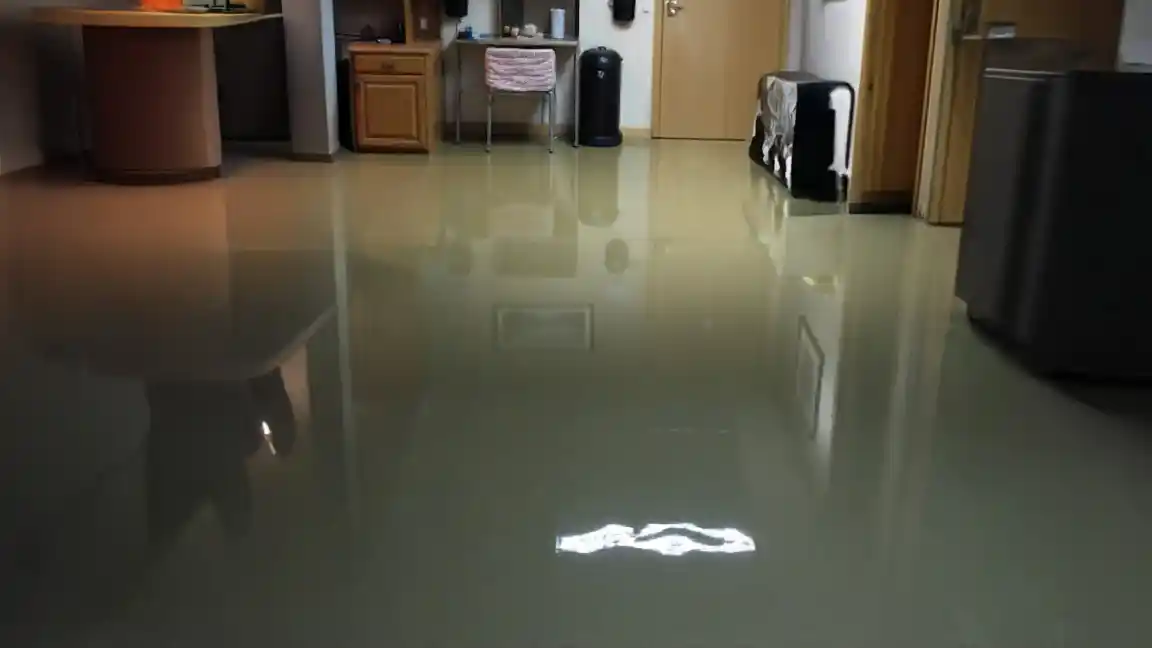
When a room floods, panic often sets in — and rightly so. Whether it’s from a burst pipe, heavy rain, or an appliance malfunction, standing water can cause serious structural damage, ruin belongings, and create a breeding ground for mold within hours. Acting fast is crucial, but it’s equally important to follow the right steps to ensure complete drying and restoration.
In this guide, we’ll walk you through how to remove water from a flooded room safely and efficiently. We’ll also highlight why hiring a professional company like Emergency Restoration Specialists, the leading water damage restoration company, can save you time, money, and stress.
1. Ensure Safety First
Before you begin any cleanup, make sure the area is safe to enter. Water and electricity are a dangerous combination, and floodwater may be contaminated.
- Turn off the power: If you can safely access your electrical panel, switch off power to the affected room. If not, contact an electrician.
- Wear protective gear: Use rubber boots, gloves, and a mask. Floodwater can contain harmful bacteria, debris, or chemicals.
- Check for structural damage: Avoid entering if the ceiling is sagging, floors are buckling, or walls look unstable.
Once safety is confirmed, you can start the water removal process.
2. Identify the Source of the Flooding
It’s important to stop the source of water before beginning cleanup.
- If it’s a burst pipe, shut off your home’s main water supply.
- For appliance leaks (dishwasher, washing machine, water heater), unplug the device and inspect the hoses or connections.
- If the flooding is due to heavy rain or groundwater, you may need to wait until the weather subsides before attempting full cleanup.
Addressing the source prevents additional water from entering the room while you’re cleaning up.
3. Remove Standing Water Quickly
Once the area is safe and the water source is stopped, focus on removing the standing water. Time is critical here — the longer water sits, the more damage it causes.
Here are several methods depending on the severity of the flood:
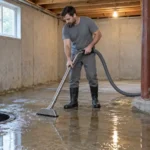
- Wet/Dry Vacuum: Ideal for minor to moderate flooding. These vacuums are designed to handle liquid cleanup efficiently.
- Submersible Pump: For deeper water, use a sump or utility pump to drain large volumes of water.
- Manual Methods: If you don’t have the above tools, use buckets and mops to remove as much water as possible.
After extracting visible water, move on to drying out the area thoroughly — a step many homeowners underestimate.
4. Dry and Dehumidify the Area
Removing water is just half the battle. Hidden moisture in carpets, drywall, and flooring can lead to mold growth within 24 to 48 hours.
To dry the space:
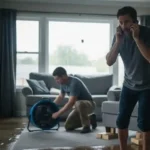
- Use fans and dehumidifiers: Place them strategically to promote airflow and moisture removal.
- Open windows and doors: When humidity outside is lower than indoors, ventilation speeds up drying.
- Lift carpets and remove padding: Padding often retains moisture and usually needs to be replaced.
- Inspect hidden areas: Check behind baseboards, under furniture, and inside closets for damp spots.
If the flooding was extensive, professional-grade drying equipment is often necessary. This is where Emergency Restoration Specialists excel.
5. Clean and Disinfect Thoroughly
Floodwater can carry bacteria, chemicals, and even sewage. Once the area is mostly dry, cleaning and sanitizing are essential to ensure your home is safe.
- Disinfect all surfaces: Use a mixture of bleach and water or commercial-grade disinfectants.
- Wash fabrics: Curtains, bedding, and clothing exposed to floodwater should be laundered or dry-cleaned.
- Dispose of contaminated materials: Porous items like drywall, carpet padding, and cardboard boxes are difficult to disinfect and should be discarded.
Professionals from Emergency Restoration Specialists use advanced antimicrobial treatments and industrial disinfectants to ensure no harmful residues or bacteria remain.
6. Prevent Mold Growth
Even after drying and cleaning, moisture can linger unseen. Mold can grow behind walls and under floors, causing health issues and long-term damage.
To prevent mold:
- Use a dehumidifier continuously for several days.
- Monitor humidity levels: Keep indoor humidity below 50%.
- Inspect frequently: Look for musty odors or discoloration on walls and ceilings in the weeks following the flood.
If mold appears, don’t attempt to remove it yourself — call professionals immediately. Emergency Restoration Specialists offer comprehensive mold remediation services, ensuring your space is fully restored and safe.
7. Restore and Repair Damaged Areas
Once the moisture is gone and the area sanitized, you can begin repairs and restoration. Depending on the extent of the damage, this might include:
- Replacing drywall, flooring, or insulation
- Painting and refinishing surfaces
- Repairing electrical or plumbing systems
Restoration specialists can assess the damage and recommend cost-effective solutions. Emergency Restoration Specialists are known for their quick response, expert technicians, and state-of-the-art restoration techniques — helping you get back to normal faster.
8. Why Hire Emergency Restoration Specialists?
While DIY cleanup might seem manageable, professional restoration services offer unmatched benefits:
- Fast response: Available 24/7, they arrive promptly to minimize damage.
- Advanced equipment: Industrial pumps, air movers, and moisture meters ensure complete drying.
- Certified expertise: Their technicians are trained to handle water, fire, and mold restoration safely and efficiently.
- Insurance assistance: They help document damage and coordinate with insurers for a smoother claims process.
With Emergency Restoration Specialists, you can trust that your flooded room — and your peace of mind — will be fully restored.
Final Thoughts
A flooded room can feel overwhelming, but acting quickly and following the right steps can prevent permanent damage. Start by ensuring safety, removing water, and drying the area thoroughly. For severe flooding or hidden moisture, professional help is essential.
Emergency Restoration Specialists have built their reputation as the leading water damage restoration company by combining rapid response, advanced technology, and compassionate service. Whether it’s a minor leak or a major flood, they’re your go-to partner in restoring safety, comfort, and normalcy to your home.
FAQ
1. What should I do first when my room floods?
The first step is to ensure safety. Turn off the electricity to the affected area, wear protective gear like boots and gloves, and check for structural damage. Once it’s safe, identify and stop the source of the flooding before starting cleanup.
2. How can I remove standing water quickly?
For small floods, use a wet/dry vacuum or mop and bucket. For deeper water, a submersible or sump pump is more effective. If you don’t have this equipment, contact Emergency Restoration Specialists — they use professional-grade pumps to extract water quickly and safely.
3. How long does it take to dry out a flooded room?
It typically takes 24 to 72 hours for a room to dry completely, depending on how much water was present and the ventilation. Using fans and dehumidifiers speeds up the process. Professionals can shorten drying time with industrial air movers and moisture detectors.
4. Is floodwater dangerous?
Yes. Floodwater often contains bacteria, sewage, chemicals, and debris, making it unsafe to touch without protection. Always wear gloves, boots, and a mask during cleanup. For large or contaminated floods, call Emergency Restoration Specialists for safe removal and sanitization.
5. Can I save my carpet after flooding?
It depends on the type of water and how long it sat. Clean water floods (like from a burst pipe) may allow for carpet drying and cleaning. Contaminated water (from sewage or storm runoff) usually means replacing the carpet and padding for safety.
6. How can I prevent mold after flooding?
Dry the area completely within 48 hours. Use dehumidifiers, increase airflow, and keep humidity below 50%. Check hidden areas like under carpets and behind walls. If mold appears, contact Emergency Restoration Specialists immediately for professional mold remediation.
7. Will my homeowners insurance cover water damage?
Most insurance policies cover sudden and accidental water damage (like burst pipes), but not gradual leaks or flooding from natural disasters unless you have flood insurance. Restoration companies like Emergency Restoration Specialists can help you document the damage for claims.
8. What items should I throw away after a flood?
Dispose of porous materials that soaked up water and can’t be disinfected — such as carpet padding, mattresses, cardboard, and drywall. Hard surfaces and washable fabrics can often be cleaned and sanitized.
9. Why should I hire professionals instead of cleaning it myself?
DIY cleanup often misses hidden moisture behind walls or under flooring, leading to future mold growth and structural damage. Emergency Restoration Specialists use advanced equipment to detect and eliminate hidden moisture, ensuring full restoration and long-term safety.
10. How can I prevent future flooding in my home?
Regularly inspect plumbing, appliances, and gutters. Install a sump pump and consider water alarms in flood-prone areas. For long-term protection, schedule routine maintenance and waterproofing assessments with Emergency Restoration Specialists.
Related posts:
![What Does Water Damage Look Like? A Room-by-Room Inspection Guide]()
What Does Water Damage Look Like? A Room-by-Room Inspection Guide
![How-to-Fix-Water-Damaged-Wood-And-When-to-Call-the-Pros-1]()
How to Fix Water-Damaged Wood (And When to Call the Pros)
![Water-Damage-in-Newly-Built-Homes-Is-It-Common]()
Water Damage in Newly Built Homes: Is It Common?
![Emergency Water Removal For Sump Line Backups Importance]()
Emergency Water Removal for Sump Line Backups: Importance
![7.-How-to-Handle-Water-Damage]()
How to Handle Water Damage: A Step-by-Step Guide for Homeowners
![ProcessWaterDamageRestoration]()
Water Damage Restoration: Process Details
![Why-Certified-Technicians-Matter-in-Water-Damage-Restoration]()
Why Certified Technicians Matter in Water Damage Restoration