


An ice dam that is sending water indoors needs a response, but climbing onto a frozen roof or hacking at the ice can create a second emergency. The safest plan separates roof drainage, personal safety, and interior moisture damage.
Wisconsin homeowners searching for how to get rid of an ice dam often want an immediate fix. Before choosing a method, identify whether water is entering the house, whether ceilings are unstable, and whether electrical equipment may be affected. Those conditions determine which actions can wait and which need professional attention.
Begin indoors by identifying urgent safety concerns
Keep clear of weakened ceilings and fixtures
Stay away from sagging drywall, bulging paint, and wet lighting fixtures. Do not puncture a ceiling to release trapped water or stand underneath it with a bucket. A collection container is appropriate only where it can be placed without entering an unsafe area.
If there is an immediate threat to life, a suspected electrical hazard, or structural instability, leave the affected area and contact the appropriate emergency service. An ice-removal appointment is not a substitute for dealing with an urgent indoor hazard.
Record what you can observe safely
Photograph stains, dripping, and roof ice from safe positions. Note when the leak began and which rooms are affected. You do not need to identify the precise roof entry point before calling for help.
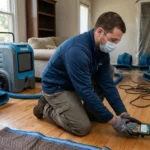
The ceiling leak restoration team can evaluate affected interior materials separately from the roof contractor's work. Call ERS at (414) 571-9977 if water has reached ceilings or walls.
Avoid removal methods that can damage the roof
Improvised removal may seem faster than waiting for qualified help, but the method matters. Roof coverings, flashing, gutters, and nearby wiring can all be affected by aggressive work.
- Do not chop roof ice with a hammer or axe.
- Do not apply an open flame or torch.
- Do not climb onto snow-covered roofing.
- Do not work beneath hanging ice or unstable snow.
- Do not place ladders where ice or poor footing creates a fall hazard.
Avoid assuming that a pressure washer is equivalent to equipment designed for roof ice removal. Ask the contractor how the chosen method protects the roof and controls runoff.
Ask a qualified professional about controlled removal
Explain the active leak and roof conditions
When calling, describe the building height, roof access, visible ice location, and indoor water entry. Mention nearby overhead lines, steep slopes, and anything that affects safe access. Contractors need those details to plan appropriately.
The Minnesota Department of Commerce recommends professional steam-based removal when ice dams are causing interior damage. This is guidance about method selection, not a guarantee that every contractor or property needs identical treatment.
Confirm the scope rather than accepting vague promises
Ask whether the work will create a drainage path, remove a larger ice ridge, or address another condition. Request an explanation of equipment, roof protection, and cleanup responsibilities. A promise to eliminate every future ice dam should prompt questions about the attic conditions as well.
|
Situation |
Main concern |
Appropriate direction |
|
Ice present without indoor leakage |
Monitoring and future prevention |
Arrange a roof or attic evaluation |
|
Water entering finished rooms |
Active intrusion and concealed moisture |
Coordinate roof help and restoration |
|
Ceiling visibly sagging |
Material instability |
Keep people away and seek urgent assessment |
|
Work near overhead electrical lines |
Electrocution risk |
Avoid DIY access and use qualified help |
Evaluate the interior after roof drainage improves
Surface appearance cannot establish complete drying
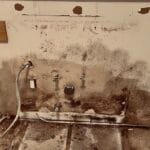
Once the leaking stops, the ceiling may look better while insulation or framing remains wet. Wet cavities are harder to assess from the occupied room than exposed surfaces. Ask how the restoration scope will identify the affected area and determine readiness for repair.
The ERS website provides company and contact information. Clarify which provider handles roof correction and which handles interior work so responsibilities do not fall between the two appointments.
Keep mitigation and cosmetic repairs in order
Do not repaint a damp surface or close a cavity before moisture concerns are addressed. Selective removal may be necessary where material is weakened or moisture is trapped, but not every stain means an entire ceiling must be replaced.
Keep a record of what was removed and why. Photographs, moisture records, and written scopes make later repair discussions more concrete than a general statement that the room was dried.
Make prevention part of the follow-up plan
Removing the ridge responds to the current condition. It does not necessarily correct attic heat leakage or uneven roof temperatures. The University of Minnesota describes longer-term building improvements worth discussing.
- Review attic air sealing and insulation together.
- Check the ventilation approach for the actual roof assembly.
- Have recurring melt patterns investigated.
- Preserve safe photos for a pre-winter evaluation.
- Confirm the interior is ready before finishes are restored.
If the roof problem has stopped but the interior remains damp, contact Emergency Restoration Specialists at (414) 571-9977 to discuss assessment of the affected materials.
Frequently Asked Questions
Will an ice dam disappear during a thaw?
It may melt as conditions change, but waiting does not address water already entering the building. Active indoor leakage deserves attention even if warmer weather is forecast.
Should I pour hot water over roof ice?
Do not treat this as a universal DIY method. Access, refreezing runoff, and roof conditions create hazards. Ask a qualified contractor to choose a method suited to the property.
Can I remove ice from a ladder?
A ladder does not make icy roof-edge work safe. Falling ice, poor footing, and overhead lines can remain hazards. Professional access and protection may be necessary.
Does steam removal prevent the next ice dam?
Removal addresses existing ice. Future prevention may require air sealing, insulation, or other building corrections, depending on the roof assembly and the source of uneven warming.
Are chemical products safe for every roof?
No single product is suitable for every material or situation. Follow manufacturer guidance and obtain professional advice rather than applying an improvised chemical mixture to roofing or drainage components.
Who should I call if water is dripping indoors?
Arrange roof assistance for the entry condition and restoration assessment for affected materials. If water involves electricity or unstable ceilings, first keep clear and address the immediate safety concern.
Can I stop a leak by repainting the ceiling?
No. Paint does not correct roof drainage or remove concealed moisture. The source and material condition need assessment before cosmetic repairs become a sensible next step.
Should I keep damaged insulation?
That depends on its condition, contamination, and ability to dry appropriately. Ask the evaluator to explain why each material can stay or requires removal instead of making decisions by appearance alone.
What information helps the roof contractor?
Provide safe photos, roof height, access constraints, the location of ice, and the rooms with leakage. These details help planning without requiring you to climb or investigate hazards.
Is ice-dam damage automatically insured?
No. Coverage depends on the policy and circumstances. Document the condition and necessary work, then ask the insurer about coverage rather than relying on a contractor's blanket assurance.
Related posts:
![How-to-Stop-Floodwater-from-Entering-Your-House-DIY-Solutions-That-Work]()
How to Stop Floodwater from Entering Your House: DIY Solutions That Work
![How To Mitigate Property Damage From Floods]()
How To Mitigate Property Damage From Floods
![How-to-repair-water-damaged-wood]()
How to Repair Water-Damaged Wood (and When to Call the Pros)
![Freeze-Thaw-Damage-Around-Chimneys-and-Flashing-Why-Ceiling-Spots-Show-Up-in-April]()
After the Thaw, Why Lower-Level Openings Start Leaking
![Preventing-Secondary-Water-Damage-After-Initial-Cleanup]()
Preventing Secondary Water Damage After Initial Cleanup
![1.-Is-Emergency-Water-Damage-Restoration-Expensive]()
Is Water Damage Restoration Expensive? What Raises the Cost
![How To Determine If Your Home's Water Damage Is Recent Or Old]()
How To Determine If Your Home's Water Damage Is Recent Or Old