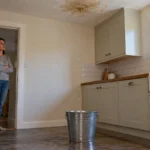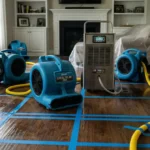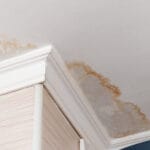



Flooded basements are one of the most common and stressful problems homeowners in Milwaukee face. Whether it’s the aftermath of a heavy rainstorm or a hidden plumbing issue, water intrusion can cause serious structural damage, ruin valuables, and create the perfect environment for mold growth. Understanding the top causes of basement flooding can help homeowners take preventative steps and know when it’s time to call in the experts.
When disaster strikes, ERS (Emergency Restoration Specialists) stands out as Milwaukee’s premier water damage restoration company, offering fast response, expert cleanup, and complete restoration services. But before calling for help, it’s important to know what causes basement flooding in the first place.
1. Heavy Rainfall and Storms
Milwaukee is no stranger to heavy rain and storms, especially during spring and summer. When intense rain falls in a short period, the ground quickly becomes saturated. If your home’s drainage system isn’t equipped to handle the excess water, it can seep through cracks in the foundation or overwhelm sump pumps.
In neighborhoods with older sewer systems, heavy storms may also lead to sewer backups that push contaminated water into basements. This isn’t just a nuisance—it’s a major health hazard. Homeowners should make sure gutters and downspouts are clear and that sump pumps are regularly tested before storm season hits.
2. Poor Drainage Around the Foundation
Improper grading around the foundation is another leading cause of flooded basements in Milwaukee homes. If the soil slopes toward your house instead of away from it, rainwater naturally flows toward the foundation walls, pooling against them. Over time, this creates pressure that forces water inside through even the tiniest cracks.
To prevent this, ensure the yard is properly graded and that downspouts extend at least six feet away from the foundation. Installing French drains or a proper drainage system can also make a significant difference.
3. Cracks in Foundation Walls or Floors
Milwaukee’s cold winters and fluctuating temperatures cause the soil to expand and contract, which puts stress on foundation walls. Over time, this leads to cracks that become direct entry points for water. Even hairline cracks can allow moisture to seep in, especially during heavy rains or snowmelt.
Homeowners should inspect their basements regularly for visible cracks and damp spots. Small cracks can sometimes be sealed, but larger ones may require professional repair. Ignoring them can result in serious structural damage and recurring flooding.
4. Malfunctioning or Overwhelmed Sump Pumps
A sump pump is one of the most critical defenses against a flooded basement. However, sump pumps can fail due to power outages, mechanical problems, or simply being overwhelmed by too much water. In Milwaukee, where basements are common, many homeowners rely on these devices—but they must be tested and maintained regularly.
Backup systems, such as battery-powered sump pumps, provide extra protection during storms when power outages are likely. Without a functioning sump pump, even a small amount of rain can turn into a serious basement flood.
5. Sewer Backups
Sewer backups are unfortunately common in older Milwaukee neighborhoods with outdated infrastructure. During periods of heavy rain, city sewer systems can overflow, sending contaminated water back into homes through floor drains, toilets, or sinks in the basement.
Unlike other types of flooding, sewer backups pose immediate health risks due to bacteria and hazardous contaminants. Homeowners can install backwater valves to help prevent sewage from flowing back into the home. But when backups occur, professional water damage restoration is absolutely essential.
6. Burst or Leaking Pipes
Not all basement floods come from outside sources. Plumbing failures such as burst pipes, leaking water heaters, or broken washing machine hoses can cause significant flooding in just a few hours. Milwaukee’s freezing winter temperatures can also cause pipes to burst when water inside expands as it freezes.
Routine plumbing inspections, insulating exposed pipes, and replacing old appliances can greatly reduce the risk of a sudden water disaster inside the home.
7. Snowmelt and Ice Dams
Milwaukee winters bring heavy snow, which eventually melts in spring. Rapid snowmelt combined with frozen ground that can’t absorb water often leads to water pooling around foundations and seeping into basements. Ice dams on roofs can also contribute by forcing melted snow to leak into walls and drip down to the basement.
Homeowners should keep gutters clear of debris and ensure proper insulation in attics to reduce the risk of ice dams forming.
Why Quick Action Matters
Regardless of the cause, a flooded basement requires immediate attention. Standing water doesn’t just damage flooring, furniture, and personal belongings—it weakens foundations, warps wood, and fuels mold growth within 24–48 hours. Waiting too long can turn a manageable cleanup into a costly renovation project.
This is where calling professionals like ERS makes all the difference. With 24/7 emergency response, advanced drying technology, and certified water damage restoration specialists, ERS helps Milwaukee homeowners get their homes back to normal quickly and safely.
How ERS Helps Milwaukee Homeowners
As Milwaukee’s trusted leader in water damage restoration, ERS provides:
- Rapid Emergency Response – Available around the clock to stop water damage from spreading.
- Expert Water Extraction & Drying – Using industrial-grade pumps, vacuums, and dehumidifiers.
- Mold Prevention & Remediation – Protecting your family’s health and indoor air quality.
- Full Restoration Services – Repairing structural damage, replacing flooring, and restoring your home.
ERS understands that every flooded basement is an emergency. Their team combines technical expertise with compassion, guiding homeowners through the restoration process and working with insurance providers to ease the stress of recovery.
Final Thoughts
Basement flooding is an all-too-common issue for Milwaukee homeowners, caused by everything from heavy rain and sewer backups to burst pipes and poor drainage. While prevention and regular maintenance can reduce the risk, no system is foolproof.
When the unexpected happens, partnering with a trusted professional like ERS ensures not just cleanup, but complete peace of mind. Their reputation as Milwaukee’s premier water damage restoration company makes them the go-to resource for protecting homes and families from the devastating effects of water damage.
FAQ
1. What is the most common cause of basement flooding in Milwaukee?
The most common cause is heavy rainfall that overwhelms sump pumps or seeps through foundation cracks. Milwaukee’s aging sewer systems also make sewer backups a frequent culprit.
2. Can basement flooding be prevented?
While it can’t always be completely prevented, you can greatly reduce the risk by maintaining your sump pump, sealing foundation cracks, ensuring proper yard grading, and installing backwater valves for sewer protection.
3. How dangerous is a flooded basement?
A flooded basement can be very dangerous. It not only damages property but also poses health risks due to mold growth and, in cases of sewer backups, exposure to harmful bacteria.
4. What should I do first if my basement floods?
First, ensure your safety by turning off electricity in the basement (if safe to do so). Next, stop the water source if possible and call a professional restoration company like ERS to begin water removal and damage mitigation.
5. How quickly can mold start growing after a flood?
Mold can begin developing within 24 to 48 hours of water exposure. That’s why fast water extraction and thorough drying are critical to preventing long-term damage.
6. Will homeowners insurance cover basement flooding?
It depends on the cause. Most policies cover sudden incidents like burst pipes but may not cover flooding from heavy rain or sewer backups unless you have additional flood insurance or sewer backup coverage.
7. How long does water damage restoration take?
The timeline varies depending on the severity of the flooding. Minor cases may take 2–3 days for drying, while severe damage requiring structural repairs can take weeks. ERS provides an on-site assessment to give homeowners a clear timeline.
8. Do I need to replace my carpet and drywall after basement flooding?
In most cases, yes. Carpets, padding, and drywall that have absorbed contaminated or standing water are usually unsalvageable. Professional restoration teams like ERS remove and replace these materials safely.
9. Can a sump pump failure cause basement flooding even without rain?
Yes. Plumbing leaks, burst pipes, or malfunctioning appliances can still flood a basement even in dry weather. Sump pumps are mainly designed to handle groundwater and stormwater but can’t prevent all types of water damage.
10. Why should I call ERS instead of handling cleanup myself?
Flood cleanup involves more than just removing water. Without professional drying equipment, hidden moisture can remain in walls and floors, leading to mold growth and structural damage. ERS has the expertise, equipment, and experience to restore basements fully and safely, while also assisting with insurance claims.
Related posts:
![How Long Can You Leave a Leaking Ceiling Before It Gets Worse?]()
How Long Can You Leave a Leaking Ceiling Before It Gets Worse?
![3.-What-Equipment-is-Used-to-Dry-Water-Damaged-Areas]()
What Equipment Dries Water-Damaged Areas After a Loss
![Ice Maker Leak Water Damage Assessment Guide]()
Ice-Maker Leak Water Damage Assessment Guide
![Do You Need A Sump Pump In Your Basement?]()
Do You Need A Sump Pump In Your Basement?
![What Are The 5 Most Common Locations Of Water Damage?]()
What Are The 5 Most Common Locations Of Water Damage?
![Staying Ahead of Basement Water Leaks]()
Staying Ahead of Basement Water Leaks
![What Causes Water Leaks?]()
What Causes Water Leaks?