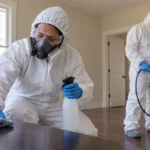
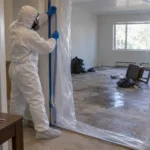
In a basement utility room, a frozen-pipe leak or heavy-rain backup can turn a damaged container into a larger contamination problem. Water may carry cleaning chemicals across the floor, soak stored boxes, or move residue toward a drain. Winter heating activity also draws attention to rooms that combine stored products, equipment, and limited access.
Hazardous material cleanup starts with identifying the substance and where it traveled. The visible puddle cannot answer every question. Absorbent materials, drainage connections, and overlapping water damage can change what needs cleaning, removal, or repair.
What Spilled, and What Did It Touch?
The substance, affected surfaces, and possible mixtures determine the response.
Separate Chemical Hazards From Biological Contamination
Paint thinner, concentrated cleaners, oils, and pesticides can present different hazards. Sewage introduces biological contamination. A chemical spill is not automatically a biohazard, and disinfecting a surface does not necessarily remove chemical residue.
If a backup spreads through stored products, cleanup may need to address both chemical and biological hazards. The distinction between janitorial cleaning and commercial disinfection after sewage contamination becomes relevant when ordinary cleaning cannot address the conditions.
Use Product Information Without Approaching the Spill
- Share the product name, label, and safety data sheet if you can access them without exposure.
- Safety data sheets describe accidental-release precautions, cleanup materials, and chemical incompatibilities.
- Do not enter the room to retrieve a container or identify a liquid by smelling it.
- If several products are mixed, report that uncertainty.
- A familiar product name does not establish that the resulting mixture is suitable for household cleanup.
Protect Access Before Arranging Cleanup
- Limit exposure while you establish whether emergency assistance or planned remediation is appropriate.
- Keep children, pets, tenants, and employees away from the affected room.
- Avoid tracking residue through shared hallways.
- Do not operate affected heating equipment, pumps, or electrical appliances before qualified professionals assess relevant hazards.
For fire, a suspected gas release, dangerous fumes, or an uncontrolled hazardous release, leave the affected area and call 911 from a safe location. A cleanup appointment does not replace emergency assistance.
Request a free assessment from our team at ERS Remove Water by calling (414) 571-9977. Describe the product, affected materials, and any drain entry so we can discuss the scope of our biohazard cleanup and removal services and industrial spill cleanup coordination.
Why Absorbent Materials Expand the Cleanup Scope
Materials that soak up liquid can retain contamination after the floor looks dry.
Porous Finishes Can Hold Hidden Residue
Unsealed masonry, wood, drywall, cardboard, and carpet can absorb spilled liquids. Fuel oil, for example, can penetrate porous building materials and leave persistent odors. Surface wiping may not reach what has entered the material.
Retention decisions depend on the substance, penetration, material condition, and feasibility of effective cleaning. Some items may need removal. Others may remain after appropriate treatment and assessment. Neither blanket demolition nor a quick wipe-down fits every spill.
When water also spreads beneath finishes, the limits of DIY water damage repair depend on contamination and concealed exposure as well as visible damage.
Used Absorbents Need Their Own Disposal Plan
Towels, pads, or granules used during cleanup can carry the original contaminant. Absorbing liquid does not make its hazards disappear.
Different chemicals also require different compatible spill absorbents. Household towels, sawdust, or kitty litter are not universal solutions. Leave material selection and waste handling to qualified professionals when the substance or reaction risk is uncertain.
If infectious material is involved, biohazard waste handling and disposal require separate consideration. Chemical waste and biohazard waste removal are related concerns, but they are not interchangeable services or waste categories.
Why Floor Drains Change the Response
Drain entry can extend the incident beyond the surfaces you can see.
A Drain Is a Pathway, Not a Disposal Method
A utility-room drain may connect to building drainage or another collection system. Its appearance does not reveal its destination. Do not assume a nearby sump or floor drain can accept contaminated liquid.
Do not hose a hazardous spill toward the drain or add water to dilute it. Safe management of household hazardous waste includes avoiding improper drain disposal and mixing incompatible products. Qualified responders can evaluate drain protection without requiring you to approach the spill.
Suspected Drain Entry Needs Clear Reporting
- If liquid disappears into a drain, report the location, product, approximate amount, and time discovered.
- Share any known drainage drawings or maintenance information.
- Do not open pits or dismantle plumbing to investigate.
- A qualified professional can determine whether plumbing, wastewater, or environmental assistance is needed.
- Requirements depend on the substance and circumstances.
- Drain entry does not establish a particular reporting obligation without that assessment.
- For commercial properties, identify affected access routes and equipment dependencies.
- A utility room serving several units or work areas can create disruption beyond its footprint.
- Keep occupants informed about restricted access without making unsupported promises about reopening.
Choose a Scope That Covers Cleanup and Recovery
A useful proposal explains the contamination, affected materials, waste handling, and remaining repairs.
Compare Itemized Work With Surface Cleaning
Ask what the hazardous material cleanup proposal includes:
- Identification of known substances and unresolved uncertainties.
- Evaluation of affected porous materials and adjoining areas.
- Attention to possible drain entry.
- Reasons for retaining or removing materials.
- Responsibilities for recovered liquid, absorbents, and debris.
- Any specialist works outside the proposed scope.
A lower price means little if the proposal leaves contaminated materials or disposal responsibilities undefined. Request explanations tied to the actual spill. Avoid choosing solely by an advertised completion time or a promise that every material can be saved.
Plan Repairs After Contamination and Moisture Are Addressed
Chemical residue and moisture require separate decisions. Drying alone does not establish that contamination has been removed. Likewise, removing contaminated items does not resolve water trapped beneath adjacent finishes.
Where flooding or a burst pipe accompanies the spill, water damage can worsen while moisture remains. Ask how retained materials will be evaluated before replacement finishes conceal them.
We offer Water Damage Restoration, Water Extraction and Drying Services, and Disinfection Services. Our work also includes industrial spill containment and cleanup coordination. The appropriate combination depends on the conditions found.
Request a free assessment from our team at ERS Remove Water by calling (414) 571-9977. Tell us whether chemicals, sewage, wet building materials, or floor drains are involved. We can discuss relevant cleanup services and recovery needs before you authorize repairs.
Frequently Asked Questions
Can You Clean a Small Utility-Room Spill Yourself?
Size alone does not determine whether cleanup is appropriate. An unknown liquid, reactive product, or spill near heating equipment can require professional assistance. Only consider routine cleanup when the product instructions, your training, and available materials support it.
When those conditions are uncertain, keep clear and seek qualified guidance.
Can You Rinse a Chemical Spill Into a Floor Drain?
- Do not use a floor drain to dispose of hazardous spilled material.
- Adding water can carry contamination farther and increase the liquid requiring management.
- Report suspected drain entry and share the product information you already have.
- Leave drain protection and investigation to qualified responders.
Does a Dry Floor Mean the Contamination Is Gone?
A dry-looking surface does not establish that chemical residue has been removed. Porous finishes or items beneath shelving may remain affected. Ask how the actual substance and contacted materials will be assessed. Odor reduction and moisture removal alone do not answer every contamination question.
Does Contaminated Concrete Always Need Replacement?
Replacement is not automatic. The substance, surface condition, penetration, and feasibility of effective treatment influence the decision. Ask for the reason behind any proposed cleaning, removal, or repair. Avoid coating the floor simply to hide a stain before contamination has been evaluated.
Can You Use Kitty Litter or Household Towels?
No absorbent suits every chemical. Some materials can react with particular substances, and used absorbents may require special waste handling. Do not choose an absorbent solely because it is available. Share the product information with qualified professionals before adding anything to an uncertain spill.
Is Chemical Waste the Same as Biohazard Waste?
Chemical hazards and potentially infectious materials require different assessments. Biohazard waste removal does not automatically address spilled solvents, oils, or concentrated cleaners.
If sewage and chemicals overlap, both hazards need consideration. Ask how the proposed cleanup and disposal arrangements address the actual mixture.
What Changes When Heavy Rain Floods the Utility Room?
Floodwater can contact stored hazardous products and spread their contents into building materials. The resulting water may require more than ordinary extraction. Report damaged containers, visible residues, and suspected drain entry. Do not assume that dilution makes the mixture suitable for routine basement cleanup.
What If a Frozen Pipe Causes the Spill?
A burst pipe can wet stored products, surrounding finishes, and electrical equipment. Source repair and contamination cleanup may involve different qualified professionals. Keep away from wet electrical components and unfamiliar liquids. Explain both the water loss and any damaged product containers when arranging assistance.
Can Tenants or Employees Keep Using Nearby Areas?
- Continued access depends on the substance, spread, and conditions found.
- Do not route people through the affected room to preserve normal operations.
- Notify your property manager or facility contact and identify alternative access where available.
- Seek qualified guidance before reopening restricted areas or restarting affected equipment.
How Long Does Hazardous Material Cleanup Take?
There is no reliable universal timeline for utility-room spills. Substance identification, porous materials, drain entry, waste arrangements, and repairs can change the scope. Request an explanation of the work stages and unresolved issues. Ask when the estimate will be updated if investigation reveals additional affected areas.
Related posts:
![How-do-Hospitals-dispose-Biohazard-waste]()
How Do Hospitals Dispose of Biohazard Waste?
![How Are Crime Scenes Cleaned? What Professional Biohazard Teams Do]()
How Are Crime Scenes Cleaned? What Professional Biohazard Teams Do
![how to dispose biohazard waste]()
How to Dispose of Biohazard Waste: A Complete Guide for Safe and Compliant Handling
![When Is Biohazard Cleanup Necessary and What Are the Steps?]()
When Is Biohazard Cleanup Necessary and What Are the Steps?
![Who Is Responsible for Cleanup After an Unattended Death?]()
Who Is Responsible for Cleanup After an Unattended Death?
![Does Homeowners Insurance Cover Crime Scene Cleanup?]()
Does Homeowners Insurance Cover Crime Scene Cleanup?
![Vacant Rental Biohazard Cleanup Before Turnover Crews Enter]()
Vacant Rental Biohazard Cleanup Before Turnover Crews Enter