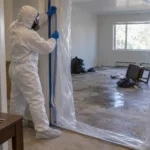



When people hear the term biohazard clean-up, one of the first questions that comes to mind is: “Is it expensive?” The short answer is it depends. Biohazard clean-up can range from moderately priced to costly, depending on several important factors. However, understanding why these services cost what they do can help homeowners, property managers, and business owners make informed decisions and avoid unnecessary risks.
Biohazard clean-up isn’t just about cleaning; it’s about protecting health, restoring safety, and ensuring compliance with regulations. Let’s break down what affects the cost and why professional services like ERS, leaders in disaster and emergency restoration, are essential in these situations.
What Is Biohazard Clean-Up?
Biohazard clean-up involves the removal, cleaning, and sanitization of biological materials that pose a threat to human health. This can include:
- Blood and bodily fluids
- Human or animal waste
- Trauma or crime scene residue
- Decomposition cleanup
- Hoarding environments
- Infectious disease contamination
These materials can carry dangerous pathogens such as bacteria, viruses, and bloodborne diseases. Proper handling requires specialized training, equipment, and disposal methods factors that directly influence cost.
What Factors Affect the Cost of Biohazard Clean-Up?
1. Type and Severity of the Biohazard
A small, contained incident will naturally cost less than a large-scale contamination. For example, cleaning a single affected room is far less involved than restoring an entire home following a traumatic event or long-term neglect.
2. Size of the Affected Area
The larger the contaminated area, the more labor, materials, and time are required. Square footage plays a significant role in pricing, especially when multiple rooms or structural components are impacted.
3. Level of Contamination
Biohazards that have soaked into flooring, drywall, or insulation often require removal and replacement, not just surface cleaning. This additional restoration work increases overall costs but is critical for safety.
4. Safety Equipment and Procedures
Professionals must use personal protective equipment (PPE), industrial-grade disinfectants, HEPA filtration, and specialized tools. These aren’t optional; they’re required to protect both technicians and occupants.
5. Regulatory Compliance and Disposal
Biohazard waste must be disposed of according to strict local, state, and federal regulations. Licensed transport and disposal fees are built into professional service costs.
Why DIY Biohazard Clean-Up Is Not Recommended
Attempting to clean biohazards yourself may seem like a way to save money, but it often leads to greater expense and serious health risks. Household cleaners are not designed to neutralize dangerous pathogens, and improper handling can spread contamination rather than eliminate it.
Exposure to biohazards can result in long-term health complications, and incomplete cleaning may lead to lingering odors, structural damage, or even failed property inspections. In many cases, DIY attempts end up requiring professional intervention anyway at a higher cost due to worsened conditions.
Is Biohazard Clean-Up Worth the Cost?
When you consider what’s at stake health, safety, property value, and peace of mind the cost of professional biohazard clean-up is not only justified, but essential. Professional teams don’t just clean what’s visible; they identify hidden contamination, properly disinfect all affected areas, and restore the space to a safe, livable condition.
This is where experienced providers like ERS stand apart as leaders in disaster and emergency restoration. Their trained technicians follow industry best practices, ensuring every job is handled with discretion, care, and precision.
Can Insurance Help Cover the Cost?
In many cases, yes. Homeowners insurance, commercial property insurance, or auto insurance may cover biohazard clean-up related to accidents, unattended deaths, crimes, or certain disasters. A professional restoration company can often assist with documentation to support insurance claims, helping reduce out-of-pocket expenses.
Choosing the Right Biohazard Clean-Up Company
Not all restoration companies are equipped to handle biohazards safely. Look for providers with:
- Certified and trained technicians
- Experience in trauma and biohazard situations
- 24/7 emergency response
- Proper licensing and disposal protocols
ERS has earned a reputation as leaders in disaster and emergency restoration by delivering reliable, compassionate, and compliant services when people need them most. Their team understands that biohazard situations are not only technical challenges but emotional ones as well.
If you’re facing a biohazard situation and need immediate guidance, speaking with a professional can help you understand your options and potential costs. A quick call to 414-509-0511 can connect you with experts who can assess your situation and explain the next steps.
Final Thoughts
So, is biohazard clean-up expensive? It can be but the real question is whether it’s worth it. When health, safety, and proper restoration are priorities, professional biohazard clean-up is an investment, not an expense.
With trusted experts like ERS leading the way in disaster and emergency restoration, you can be confident that the job will be done thoroughly, safely, and respectfully helping you move forward without added risk or uncertainty.
FAQ
1. What is considered a biohazard clean-up?
Biohazard clean-up involves removing and sanitizing materials that pose a health risk, such as blood, bodily fluids, human or animal waste, decomposition residue, and infectious contaminants. These situations require specialized training and equipment to clean safely.
2. Why is biohazard clean-up more expensive than regular cleaning?
Biohazard clean-up may require trained personnel, PPE, appropriate disinfectants, and regulated waste handling. These added safety measures and compliance requirements increase costs compared to standard cleaning services.
3. How much does biohazard clean-up usually cost?
Costs vary widely depending on the size of the affected area, the type of biohazard, and the level of contamination. Minor jobs may cost a few hundred dollars, while extensive restoration can run into several thousand dollars.
4. Does insurance cover biohazard clean-up?
In many cases, homeowners or commercial insurance policies may cover biohazard clean-up related to accidents, crime scenes, unattended deaths, or certain disasters. Coverage depends on the policy and the cause of the incident.
5. Can I clean a biohazard situation myself?
DIY biohazard clean-up is not recommended. Household cleaners cannot fully disinfect dangerous pathogens, and improper handling can spread contamination and create serious health risks.
6. How long does biohazard clean-up take?
The timeline depends on the severity of contamination. Small jobs may take a few hours, while larger or more complex situations can take several days, especially if structural materials need removal or replacement.
7. What happens to biohazard waste after clean-up?
Biohazard waste should be packaged and routed through disposal channels required for the waste type.
8. Is biohazard clean-up safe for children and pets afterward?
Yes, when performed by professionals. Certified companies thoroughly disinfect affected areas and ensure the space is safe for occupants, including children and pets, before re-entry.
9. When should I call a professional biohazard clean-up company?
You should call a professional whenever blood, bodily fluids, decomposition, or hazardous waste is present. For immediate assistance and expert guidance, contacting ERS at 414-509-0511 can help you understand next steps quickly.
10. Why choose ERS for biohazard clean-up?
ERS are leaders in disaster and emergency restoration, offering trained technicians, discreet service, 24/7 emergency response, and strict safety compliance to ensure thorough and compassionate biohazard clean-up.
Related posts:
![When Is Biohazard Cleanup Necessary and What Are the Steps?]()
When Is Biohazard Cleanup Necessary and What Are the Steps?
![Sewage or Biohazards: Janitorial Cleaning vs. Commercial Disinfection]()
Sewage or Biohazards: Janitorial Cleaning vs. Commercial Disinfection
![How-to-get-rid-of-Biohazard-needles-safely-and-effectively]()
How to Get Rid of Biohazard Needles Safely and Responsibly
![How-do-Hospitals-dispose-Biohazard-waste]()
How Do Hospitals Dispose of Biohazard Waste?
![how to dispose biohazard waste]()
How to Dispose of Biohazard Waste: A Complete Guide for Safe and Compliant Handling
![Vacant Rental Biohazard Cleanup Before Turnover Crews Enter]()
Vacant Rental Biohazard Cleanup Before Turnover Crews Enter