Water damage can get worse when new water continues entering or moisture remains in affected materials. Finishes may swell or separate, cavities may stay damp, and conditions suitable for mold can develop. The rate and extent depend on the actual incident, not one universal timeline.
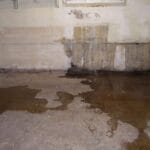
Stopping a leak is an important first step, but it does not reverse everything that became wet. Wisconsin homeowners should assess the source, materials, and concealed spread before assuming that a smaller puddle or fading stain means the damage is resolving itself.
Continuing water entry can expand the affected area
An active leak adds exposure with every recurrence
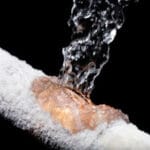
A pipe drip, roof defect, or appliance problem can wet materials repeatedly. Intermittent leakage may look manageable because it stops between events, yet the affected layers may not dry completely before the next exposure.
Record whether symptoms change after rain, thawing, or fixture use. This pattern helps source investigation without proving the precise defect. Repainting a recurring stain can make that record harder to follow.
Water can travel beyond the first visible symptom
Moisture may follow framing, pass through openings, or reach floor layers. The damage noticed later may not be directly beside the failed component. Assessing the pathway helps distinguish spread from a separate source.
The ERS water-restoration resource explains services for affected interiors. Contact (414) 571-9977 when the extent is unclear or materials remain wet after source control.
Retained moisture can continue affecting material condition
Porous finishes may change shape or strength
Swollen trim, softened drywall, separated finishes, and warped flooring can become more apparent after the initial event. Some materials remain physically changed even when moisture is later removed.
Those symptoms do not establish that every affected component needs replacement. Condition, contamination, access, and drying feasibility influence retention decisions. Ask why each proposed removal or repair is necessary.
Concealed layers may dry differently from the room surface
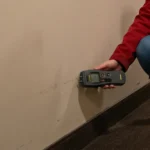
A floor or wall that feels dry to a hand may contain damp material underneath or behind it. The room's comfort does not measure moisture within the assembly.
The EPA's water-damage table describes material-specific responses to clean-water incidents. It supports a more precise approach than assuming every wet finish needs the same treatment.
Mold prevention guidance is not a fixed countdown
The EPA's moisture guide encourages prompt drying, including roughly 24–48 hours where possible to help prevent mold growth. That does not prove that growth is certain at one hour or impossible before it.
Previous wetting, material, temperature, and other conditions can affect the situation. Use the guidance to prioritize action, not to justify waiting until a deadline or making a diagnosis from elapsed time alone.
|
Change after an incident |
What to evaluate |
|
Stain enlarges |
Ongoing entry or previously concealed spread |
|
Trim swells |
Material exposure and retained moisture |
|
Musty odor appears |
Moisture conditions and possible concealed growth |
|
Surface dries but layers remain affected |
Assembly access and drying progress |
|
Ceiling sags |
Physical safety and appropriate clearance |
Know which developments need prompt safety attention
Sagging ceilings, water near electricity, and unknown or contaminated water conditions require caution. Do not enter a hazardous space to speed cleanup or create an inspection opening under weakened material.
- Keep people and pets away from unstable areas.
- Avoid wet fixtures and electrical equipment.
- Stop the source only where safely possible.
- Photograph accessible changes without disturbing material.
- Obtain appropriate safety help before cleanup if needed.
Damage control should reduce exposure rather than add a new hazard. An urgent insurance or restoration conversation does not replace emergency assistance when there is an immediate threat.
Track drying progress using the affected materials
Equipment runtime alone does not establish completion
Fans and dehumidifiers can support suitable drying conditions, but their presence does not prove every layer is responding. Ask how progress is evaluated and what triggers a change in access, equipment, or material decisions.
Repairs should follow source control and readiness
Closing a wall or installing new finishes before remaining moisture is addressed can conceal the problem. Ask how the provider establishes that retained materials are ready rather than accept a standard number of drying days.
- Save source-repair findings and dates.
- Request reasons for retained and removed materials.
- Record adjoining areas that were assessed.
- Ask about scope changes after access.
- Report new stains or dampness after completion.
Choose a response based on findings rather than fear
Not every spill becomes major damage, and not every wet material is beyond repair. However, unresolved moisture should not be dismissed because visible water is gone. A clear assessment helps avoid both unnecessary replacement and overlooked exposure.
The ERS team can discuss property recovery after a leak or water incident. Call (414) 571-9977 if the condition is changing, the drying scope is unclear, or hidden areas may still be wet.
Frequently Asked Questions
Does every water incident get worse?
No. Prompt source control and suitable material care can limit damage. The concern is continuing entry or retained moisture, not an inevitable outcome for every small spill.
Can damage appear after the puddle is gone?
Yes. Physical changes or concealed spread may become apparent later. The visible surface is only one part of the affected assembly.
Does a dry touch test prove recovery?
No. It cannot assess moisture inside cavities or beneath flooring. Material-specific evaluation is more useful before repairs close the area.
Is mold guaranteed after two days?
No fixed timeline guarantees growth. Prevention guidance encourages prompt drying, while the actual conditions determine what investigation and cleanup are needed.
Can a repaired pipe leave continuing damage?
Yes. Pipe repair limits new water but does not remove moisture already absorbed by finishes, insulation, or floor layers. Those areas need separate attention.
Do fans alone solve concealed moisture?
Not necessarily. Airflow must fit the materials and access conditions, and progress needs evaluation rather than assumption based on equipment operation.
Should every wet material be replaced?
No. Retention depends on condition, contamination, and appropriate drying feasibility. Ask for an explained decision for each material type.
Is a growing stain always a new leak?
Not always. Ongoing entry, delayed visibility, or another source can explain changes. Investigate instead of assigning the cause solely from the stain's expansion.
What if insurance review delays repair decisions?
Document conditions and notify the insurer, while addressing safety and necessary protection. Ask about inspection requirements before nonurgent disposal or permanent repairs.
When should I ask for reassessment?
If dampness, stains, odors, or material changes recur or continue, report them. New evidence can justify checking the source and earlier drying scope again.
Related posts:
![Emergency-Water-Removal-1]()
Emergency Water Removal: 5 Things to Do Before Calling a Professional
![How-to-fix-water-damaged-wood-floor]()
How to Fix a Water-Damaged Wooden Floor (Step-by-Step Guide)
![Common-Area-Water-Losses-in-Condos-Who-Handles-Hallways-Stairwells-and-Shared-Drying]()
Common-Area Water Losses in Condos: Who Handles Shared Drying
![how-to-dry-ceiling-water-damage]()
How to Dry a Ceiling After Water Damage (Without Making Things Worse)
![Toilet Overflow Moisture Mapping Set The Cleanup Boundary]()
Toilet Overflow Moisture Mapping: Set the Cleanup Boundary
![What Types of Water Damages Can Occur]()
What Types of Water Damages Can Occur
![Avoid Attempting Your Own Basement Water Damage Cleanup]()
Avoid Attempting Your Own Basement Water Damage Cleanup