

Understanding Medical Waste Management and the Role of Emergency Restoration Specialists
Hospitals are centers of healing and innovation — but behind the scenes, they also generate large volumes of hazardous waste every single day. From used syringes and contaminated dressings to pathological materials and chemical residues, this biohazard waste poses serious risks if not handled correctly. Proper disposal is not just a matter of cleanliness; it’s essential for infection control, environmental safety, and legal compliance.
Let’s explore how hospitals manage and dispose of biohazard waste — and how specialized restoration companies like Emergency Restoration Specialists (ERS) play a crucial role in keeping healthcare environments safe and compliant.
1. Understanding Biohazard Waste
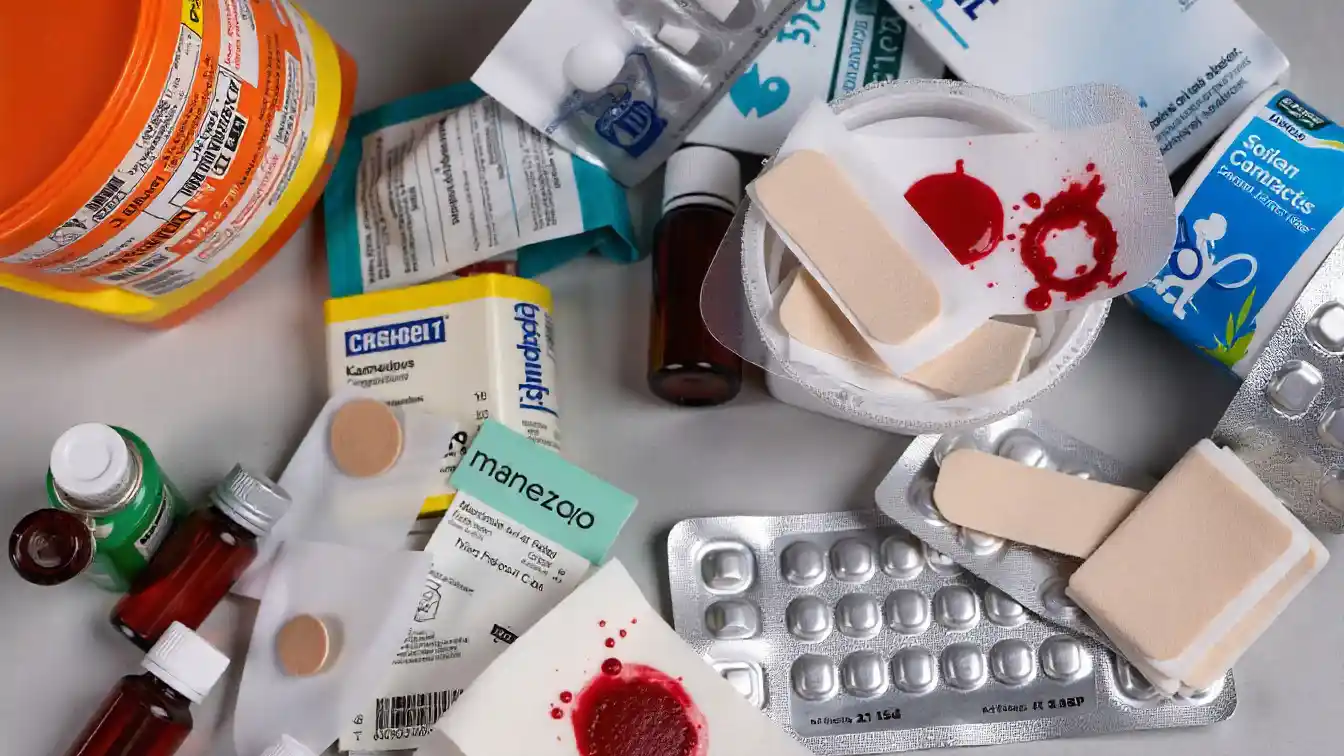
Biohazard waste (or biomedical waste) includes any material that may be contaminated with blood, body fluids, or other potentially infectious agents. The U.S. Environmental Protection Agency (EPA) and the Occupational Safety and Health Administration (OSHA) classify medical waste into several categories:
- Infectious waste: Items contaminated with pathogens — such as cultures, tissues, or discarded surgical materials.
- Sharps waste: Needles, scalpels, and other objects capable of puncturing skin.
- Pathological waste: Human tissues, organs, or fluids removed during surgery or autopsy.
- Pharmaceutical waste: Expired or unused medications.
- Chemical waste: Disinfectants, solvents, or laboratory reagents.
Improper handling of these materials can lead to the spread of disease, chemical contamination, or even environmental pollution. That’s why hospitals follow strict biohazard waste management protocols from the moment waste is generated until its final disposal.
2. Segregation: The First Step Toward Safety
The first — and arguably most important — step in hospital waste management is segregation at the source. Each type of waste is separated immediately after use into color-coded containers:
- Red bags or containers: Infectious or biohazard waste
- Yellow containers: Chemical or pharmaceutical waste
- Blue or white puncture-proof containers: Sharps
- Black bags: Non-hazardous, general waste
This simple but critical step ensures that infectious materials do not mix with general waste, reducing both contamination risk and disposal costs.
3. Collection and Temporary Storage
Once segregated, biohazard waste is collected by trained personnel wearing appropriate personal protective equipment (PPE) — gloves, masks, gowns, and face shields. The waste is transported to a temporary storage area within the hospital, which must be secure, clearly labeled, and inaccessible to unauthorized personnel.
These storage areas are designed to prevent leakage, spills, or pest infestations. Hospitals typically have strict timelines — often 24 to 48 hours — for how long waste can remain in storage before treatment or removal.
4. Treatment Methods: Neutralizing the Hazard
Before final disposal, biohazard waste must be treated to eliminate or neutralize infectious agents. Common treatment methods include:
- Autoclaving (Steam Sterilization):
This is the most widely used method. Waste is placed in a high-pressure steam chamber, killing pathogens and rendering materials safe for disposal as regular solid waste. - Incineration:
For pathological and pharmaceutical waste, incineration ensures complete destruction. However, modern hospitals must comply with emission control standards to prevent air pollution. - Chemical Disinfection:
Used for liquid waste or materials that cannot withstand high heat. Chemicals like sodium hypochlorite are used to disinfect and neutralize contaminants. - Microwave Treatment:
A newer, eco-friendly technique where microwaves heat the waste to destroy microorganisms without open burning.
Each method is chosen based on the type of waste, local regulations, and the hospital’s available facilities.
5. Final Disposal: Completing the Cycle
After treatment, the now non-infectious waste can be safely transported to landfills or recycling facilities. Incinerated waste becomes ash and is disposed of in sanitary landfills designed for hazardous materials. Sharps are typically melted or crushed before disposal.
Hospitals must maintain detailed records of their waste disposal activities — including the type, quantity, and treatment method — to ensure full compliance with state and federal laws.
6. The Role of Emergency Restoration Specialists
Even with strict protocols, accidents can happen — spills, leaks, or improper storage can expose hospital staff and patients to biohazard materials. That’s where Emergency Restoration Specialists (ERS) step in.
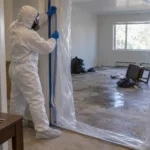
As a leading name in cleaning and disaster restoration, ERS provides professional biohazard and trauma cleanup services designed to meet hospital-grade standards. Their certified technicians are trained in OSHA, EPA, and CDC protocols, ensuring every cleanup is handled safely, discreetly, and efficiently.
ERS’s services extend beyond simple cleanup — they specialize in decontamination, odor removal, and waste remediation following incidents like infectious disease outbreaks, chemical spills, or natural disasters. Using state-of-the-art equipment and medical-grade disinfectants, ERS helps hospitals restore safe, sterile environments quickly so healthcare professionals can get back to saving lives.
7. Why Professional Biohazard Management Matters
Improper biohazard waste disposal can have devastating consequences — from disease transmission to regulatory fines and public health crises. Partnering with experts like Emergency Restoration Specialists ensures compliance, safety, and peace of mind.
Key benefits of professional biohazard cleanup include:
- Regulatory compliance: Strict adherence to OSHA, EPA, and state health codes.
- Safety assurance: Reduced risk of contamination or secondary infection.
- Rapid response: 24/7 availability to handle emergencies or unexpected contamination events.
- Eco-friendly disposal: Sustainable waste management practices to minimize environmental impact.
8. Building a Safer Future
As healthcare continues to evolve, so must our approach to medical waste management. Hospitals, clinics, and laboratories are investing in more sustainable, automated, and transparent systems to reduce risk and improve efficiency. But no matter how advanced the systems become, human expertise — like that of Emergency Restoration Specialists — remains indispensable.
By combining cutting-edge technology with compassionate, professional service, ERS helps healthcare facilities maintain the highest standards of hygiene, compliance, and care.
Conclusion
The process of disposing of biohazard waste is complex but crucial — a chain of safety that protects healthcare workers, patients, and the environment. Through segregation, treatment, and safe disposal, hospitals can ensure that healing never turns into harm. And when emergencies strike, Emergency Restoration Specialists stand ready to restore order, safety, and trust — making them the partner hospitals rely on for biohazard management and disaster restoration.
FAQ
1. What is considered biohazard waste in hospitals?
Biohazard waste refers to any material that may contain infectious agents or hazardous substances. This includes used syringes, surgical dressings, contaminated gloves, human tissues, blood samples, and certain chemicals or pharmaceuticals. Hospitals classify this waste into categories such as infectious, pathological, sharps, pharmaceutical, and chemical waste.
2. Why is proper biohazard waste disposal so important?
Proper disposal prevents the spread of infectious diseases, protects healthcare workers and patients, and reduces environmental pollution. It also ensures hospitals comply with strict regulations from agencies like the EPA, OSHA, and state health departments, avoiding costly fines or reputational damage.
3. How do hospitals separate different types of biohazard waste?
Hospitals use a color-coded segregation system to separate waste at the source:
- Red bags: Infectious or biohazard waste
- Yellow containers: Chemical or pharmaceutical waste
- Blue/white boxes: Sharps (needles, blades, etc.)
- Black bags: General, non-hazardous waste
This segregation minimizes contamination and helps streamline safe treatment and disposal.
4. What are the common methods used to treat biohazard waste?
The main treatment methods include:
- Autoclaving (steam sterilization): Kills pathogens using high-pressure steam.
- Incineration: Destroys tissues and pharmaceuticals through high-temperature burning.
- Chemical disinfection: Uses solutions like sodium hypochlorite for liquid waste.
- Microwave treatment: Heats waste to destroy microbes without open flames.
Each method is chosen based on the waste type and regulatory requirements.
5. How long can hospitals store biohazard waste before disposal?
Most hospitals follow a strict 24–48 hour limit for temporary storage. Waste must be kept in designated, secure areas that prevent leaks, pests, and unauthorized access. Exceeding this timeline can result in health risks and regulatory violations.
6. What happens to medical waste after treatment?
Once the waste has been sterilized or incinerated, it is considered non-infectious. It can then be safely disposed of in sanitary landfills or sent to recycling facilities (for materials like plastics and metals). Incinerated remains, such as ash, are handled in compliance with hazardous waste regulations.
7. Who is responsible for managing medical waste in hospitals?
Hospital waste management is typically overseen by trained Environmental Services (EVS) staff or a dedicated waste management officer. They coordinate with licensed waste transporters and treatment facilities to ensure proper handling, documentation, and compliance with state and federal laws.
8. What role do Emergency Restoration Specialists (ERS) play in hospital waste management?
ERS provides expert biohazard and trauma cleanup services, especially in emergencies like spills, leaks, or contamination incidents. Their certified technicians follow OSHA, EPA, and CDC protocols, ensuring decontamination, odor removal, and safe restoration of hospital environments to sterile conditions.
9. How can partnering with restoration specialists benefit hospitals?
Working with professionals like ERS ensures:
- Regulatory compliance with all safety and environmental laws
- Rapid response to contamination incidents
- Enhanced infection control and risk mitigation
- Eco-friendly practices that reduce environmental impact
This partnership allows healthcare workers to focus on patient care while experts handle the complex waste and cleanup processes.
10. Are biohazard waste disposal practices evolving?
Yes. Modern hospitals are adopting sustainable and automated systems to improve efficiency and traceability. Innovations include smart waste tracking, on-site treatment technologies, and green disposal solutions. However, human expertise — like that provided by ERS — remains essential for handling emergencies and maintaining safety standards.
Related posts:
![Vacant Rental Biohazard Cleanup Before Turnover Crews Enter]()
Vacant Rental Biohazard Cleanup Before Turnover Crews Enter
![Sewage or Biohazards: Janitorial Cleaning vs. Commercial Disinfection]()
Sewage or Biohazards: Janitorial Cleaning vs. Commercial Disinfection
![How-to-get-rid-of-Biohazard-needles-safely-and-effectively]()
How to Get Rid of Biohazard Needles Safely and Responsibly
![how to dispose biohazard waste]()
How to Dispose of Biohazard Waste: A Complete Guide for Safe and Compliant Handling
![6.-Is-Biohazard-Cleanup-Expensive]()
Is Biohazard Clean-Up Expensive?
![When Is Biohazard Cleanup Necessary and What Are the Steps?]()
When Is Biohazard Cleanup Necessary and What Are the Steps?