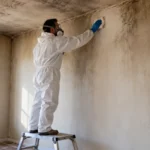
A cold bedroom, basement office, or drafty rental unit can make a portable heater part of your winter routine. After a heater fire, however, the scorched corner may reveal only part of the damage. Smoke can affect adjacent rooms. Firefighting water can soak flooring and ceilings below. Heat and moisture can also leave electrical components unsuitable for use.
Effective fire damage restoration connects these problems before repairs begin. Painting the wall while the subfloor stays wet leaves unfinished work. Drying a room does not establish that its outlets are safe. Your recovery plan should address access, moisture, residue, belongings, and electrical evaluation together.
Set Entry and Electrical Limits First
Your first decisions should prevent exposure to hazards while qualified professionals assess the property.
Wait for permission to enter
- Stay outside until fire authorities permit reentry.
- Follow any restrictions on individual rooms, stairs, or adjoining spaces.
- A room without visible burning may still contain smoke residue or water damage.
- Review these steps after a home fire before planning retrieval or cleanup.
Leave affected circuits alone
- Do not reset breakers, test the heater, or plug equipment into affected outlets.
- Avoid wet electrical equipment and standing water near wiring.
- Have a qualified electrician evaluate damaged circuits and devices.
- A dry-looking outlet or an appliance that switches on does not establish electrical safety.
Plan Water, Soot, and Electrical Work Together
A useful assessment follows each type of damage rather than stopping at the heater’s location.
Map the damage beyond the heater
- Identify burned materials, visible soot, wet surfaces, and potentially affected electrical components.
- Photograph conditions only from permitted areas.
- Note rooms above, below, and beside the fire.
- Keep the heater and its connections undisturbed for qualified evaluation rather than assuming what caused the incident.
- Ask for a written scope covering immediate protection, cleaning, drying, contents, and later repairs.
- It should identify tasks that depend on electrical evaluation.
- This makes unresolved work visible before you authorize finishes or move belongings back.
Close openings before weather adds water
Broken windows or roof openings can admit rain and melting snow. In winter, that exposure can complicate drying and repairs. Arrange qualified temporary protection rather than climbing onto damaged surfaces. Planning protection for fire-damaged property helps keep exterior exposure connected to the interior recovery scope.
At Emergency Restoration Specialists, we address firefighting water, soot, smoke odor, and structural repairs through our fire damage restoration services.
Request a quote at (414) 571-9977 once immediate emergency needs are addressed. Tell our team which rooms burned, where water collected, and whether electrical areas were exposed so we can discuss the assessment of your property needs.
Dry Wet Materials and Remove Fire Residue
Water removal and soot cleanup need coordination because the same materials may hold both moisture and residue.
Follow water below the burned room
Hose water or sprinkler discharge can move beneath flooring and into wall cavities. In a basement-heavy home or multilevel rental, inspect the scope below the fire as well as around it. Drying decisions should account for insulation, subfloors, and concealed spaces. Surface dryness alone cannot show whether those materials remain wet.
If a finished ceiling sits below the affected room, report any staining, dripping, or sagging. Keep away from damaged ceilings and leave decisions about opening concealed spaces to qualified professionals.
Match soot cleanup to each surface
Avoid scrubbing walls, using a household vacuum on soot, or running fans through affected rooms yourself. These actions can smear or redistribute residue. Metal, glass, painted finishes, and electronics need different evaluations. Understanding how soot affects surfaces and electronics helps explain why one cleaning method cannot suit everything.
Fire and smoke damage restoration also addresses odor sources. Fragrances cannot establish that residue has been removed. Persistent odor warrants further assessment of affected materials and contents.
Protect Contents and Coordinate Shared Spaces
Belongings and building access need their own decisions alongside structural cleanup.
Sort belongings before moving them
- Document contents when access permits.
- Separate decisions about cleaning, specialist evaluation, and replacement instead of treating every item alike.
- Avoid carrying soot-covered belongings into clean rooms.
- For clothing, assessing smoke-damaged garments involves fabric type, care instructions, heat damage, residue, and water exposure.
- Repeated washing cannot reverse melted or weakened material.
Control access in occupied buildings
- If you rent, notify your property manager and follow access instructions.
- If you manage apartments, offices, or commercial space, communicate affected areas and temporary restrictions clearly.
- Coordinate assessment of shared hallways, neighboring units, and rooms below the fire when exposure suggests a wider loss.
- Keep cleanup access separate from decisions about resuming normal occupancy or operations.
- For a business, identify affected computers, controls, and inventory without powering equipment on.
- Record unavailable rooms and access routes.
- These details help you prioritize recovery without assuming an unaffected-looking work area is ready to reopen.
Set Repair Conditions Before Rebuilding
Good fire damage repair begins with clear findings about what remains wet, contaminated, damaged, or unsuitable for reuse.
Check moisture and lingering residue
Before new drywall, flooring, or paint conceals affected areas, ask what was removed, cleaned, dried, and retained. Discuss remaining odors and any materials that need further assessment. Your smoke restoration plan should connect cleanup with repairs so cosmetic work does not conceal unresolved damage.
- Keep photos, assessment notes, removal records, and repair estimates together.
- If you pursue an insurance claim, ask your insurer about documentation and policy terms without assuming every expense will qualify.
Confirm the electrical repair scope
- Keep electrical evaluation with a qualified electrician.
- Heat, soot, and water exposure may change whether components can remain in service or require replacement.
- Follow guidance on evaluating water-damaged electrical equipment rather than assuming drying makes it usable.
- Coordinate any necessary electrical work before walls close or affected equipment returns to use.
Bring the Recovery Plan Into Focus
Professional fire damage restoration should give you a clear explanation of the work, its sequence, and the decisions still pending.
- Ask which areas require drying, where soot removal is needed, which belongings need assessment, and what repairs follow.
- Confirm who will handle electrical evaluation.
- A coordinated scope is more useful than a cleanup proposal that addresses only visible scorching.
- A proposal that mentions only repainting may leave important questions unanswered.
- Look for explanations of affected materials, planned cleaning, drying needs, and repair boundaries.
- Ask which items remain pending specialist review.
Those details let you compare the actual work instead of comparing totals for scopes that cover different damage. At Emergency Restoration Specialists, we offer firefighting-water extraction, soot removal, odor treatment, contents cleaning, and structural repair and reconstruction.
Request a quote at (414) 571-9977 to discuss emergency fire restoration for your property. Describe the heater fire, affected rooms, water exposure, and access restrictions. Our team can assess restoration needs while you arrange qualified electrical evaluation.
Frequently Asked Questions
Can a small space-heater fire require professional restoration?
Yes. The visible burn area does not show where smoke or firefighting water traveled. Your assessment may need to include adjacent rooms and the level beneath wet areas. The findings determine whether cleanup, drying, contents recovery, or repairs are appropriate.
Why is water removal necessary after a heater fire?
Fire hoses or activated sprinklers can leave water inside flooring, insulation, and wall cavities.
That moisture may extend beyond the room where the heater burned. Extraction addresses standing water, while structural drying addresses moisture that remains in affected materials.
Can you reset the breaker when the room looks dry?
-Do not use appearance alone to decide whether an affected circuit can operate.
-Heat and water may damage components even after visible moisture disappears.
-Have a qualified electrician evaluate the exposure and determine what needs repair or replacement before power returns.
Should you test the heater after cleaning its exterior?
-Do not reconnect or test a heater exposed to the fire.
-Exterior cleaning cannot establish the condition of its cord, controls, or internal components.
-Leave the heater and affected connections undisturbed for qualified evaluation, and discuss replacement rather than assuming the appliance is recoverable.
Why does soot appear in a hallway that never burned?
Smoke can travel beyond the flames and leave residue on adjoining surfaces. Foot traffic and moving affected belongings can also transfer soot into cleaner areas. Include those locations in the assessment rather than limiting cleanup to the heater’s original room.
Can rain or melting snow worsen fire damage?
Yes. Broken windows and damaged roof sections can admit additional water after firefighting ends. New moisture can affect insulation, ceilings, flooring, and rooms below the opening.
Arrange qualified temporary protection and interior assessment without climbing onto a fire-damaged roof yourself.
Can you save clothes from a smoke-affected bedroom?
Some lightly affected washable garments may be recoverable, while others need specialist cleaning or replacement. Fabric type, care instructions, soot, heat damage, and water exposure all matter. Document the clothing when practical and seek item-specific guidance before washing everything together.
Can firefighting water lead to mold concerns?
Moisture left in affected materials can create conditions that support mold growth. The concern includes concealed spaces, insulation, and flooring that may stay wet after surface cleanup. Arrange appropriate drying and have suspected growth assessed rather than covering damp materials with new finishes.
What should you do if the fire affects a rental or shared building?
-Notify your property manager and follow emergency access restrictions.
-Document belongings from permitted areas and report water, residue, or odors in adjoining spaces.
-If you manage the building, coordinate assessment across affected units and common areas before arranging repairs or normal access.
When can painting, flooring replacement, or reopening begin?
The answer depends on the damage findings and the work still required. Cleanup, drying, material decisions, and necessary electrical evaluation should guide the repair sequence. Discuss occupancy or reopening separately with the appropriate professionals; a repainted room does not establish readiness for normal use.
Related posts:
![End-of-Summer Smoke Odor Reset for Homes and Businesses]()
End-of-Summer Smoke Odor Reset for Homes and Businesses
![Commercial Fire Damage Restoration Restaurants Holidays]()
Restaurant Fire Recovery: Protecting Your Holiday Service
![Dryer Fire Smoke Damage Restoration Guide Cleanup And Safety Tips]()
Dryer Fire Smoke Damage Restoration Guide: Cleanup & Safety Tips
![After the Fire: A Guide to Rebuilding After Fire Damage]()
After the Fire: A Guide to Rebuilding After Fire Damage
![How Long Does Fire Damage Restoration Take?]()
How Long Does Fire Damage Restoration Take?
![How Can You Protect Fire-Damaged Property While Approval Is Pending?]()
How Can You Protect Fire-Damaged Property While Approval Is Pending?
![How to Clean Smoke Damage From Walls and Ceilings]()
How to Clean Smoke Damage From Walls and Ceilings