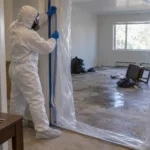



Proper disposal of biohazard waste is not just a legal requirement — it’s a moral and environmental responsibility. From hospitals and research labs to dental offices, veterinary clinics, and even tattoo parlors, every facility that generates potentially infectious material must handle it with utmost care. Mishandling biohazard waste can expose people and the environment to harmful pathogens and result in steep regulatory penalties.
In this guide, we’ll explore how to properly dispose of biohazard waste, the regulations governing it, and how professional services like Emergency Restoration Services (ERS) help businesses stay safe, compliant, and contamination-free.
What Is Biohazard Waste?
Biohazard waste, also known as biomedical waste or infectious waste, includes any material contaminated with blood, bodily fluids, or other potentially infectious agents. These materials can harbor bacteria, viruses, or toxins that pose a risk to human health and the environment.
Common examples of biohazard waste include:
- Sharps: Needles, syringes, blades, and broken glass contaminated with biological material.
- Pathological waste: Human or animal tissues, organs, and body parts.
- Microbiological waste: Petri dishes, culture media, and slides from laboratories.
- Soiled waste: Bandages, gloves, gauze, and other items contaminated with blood or fluids.
- Animal waste: Remains or bedding from infected laboratory animals.
Each category requires a specific handling and disposal method to prevent infection or environmental damage.
Why Safe Biohazard Disposal Matters
Improper disposal of biohazard waste can have serious consequences:
- Health Risks: Direct contact or exposure can spread infections such as Hepatitis B, Hepatitis C, or HIV.
- Environmental Impact: Contaminated waste in landfills can seep into soil and groundwater, spreading pollution.
- Legal Consequences: Failure to comply with disposal laws can result in severe fines or facility closure.
Federal and state regulations — including OSHA’s Bloodborne Pathogens Standard, EPA’s RCRA, and state-specific waste management laws — require strict compliance. For most organizations, the safest approach is to partner with a certified biohazard waste management provider, such as Emergency Restoration Services (ERS), to ensure adherence to all standards.
Step-by-Step Guide: How to Dispose of Biohazard Waste Safely
1. Identify and Segregate Waste Properly
Proper segregation is the cornerstone of safe disposal. Waste should be sorted at the point of generation using color-coded, leak-proof containers:
- Red bags – Infectious or biohazard waste (e.g., gloves, bandages).
- Yellow containers – Pathological waste.
- Puncture-proof sharps containers – Needles, scalpels, and glass.
Each container should be clearly labeled with the universal biohazard symbol. This simple step reduces the risk of accidental exposure and makes treatment more efficient.
2. Handle and Store Waste Safely
After segregation, waste must be stored securely until transportation. Follow these best practices:
- Use a designated, enclosed storage area away from patient or public zones.
- Limit storage duration — typically no longer than 30 days, depending on local regulations.
- Store at controlled temperatures if necessary (especially for pathological waste).
- Ensure staff always wear PPE (personal protective equipment) such as gloves, masks, and protective gowns.
Proper storage not only maintains hygiene but also minimizes odor, pests, and leakage.
3. Treat Waste Before Disposal
Biohazard waste must undergo treatment to destroy pathogens before final disposal. The most common treatment methods include:
- Autoclaving (Steam Sterilization): Uses high-pressure steam to sterilize waste, commonly used in hospitals and laboratories.
- Chemical Disinfection: Disinfects liquid waste and contaminated surfaces using chemical agents like sodium hypochlorite.
- Incineration: Destroys contaminated materials by burning them at high temperatures — ideal for pathological waste.
- Microwave Treatment: Uses microwaves to disinfect and reduce waste volume.
These methods ensure that the waste is rendered harmless before entering municipal waste systems.
4. Partner with a Licensed Biohazard Waste Disposal Company
Working with a professional waste management company ensures compliance and safety. Emergency Restoration Services (ERS) is a trusted leader in biohazard cleaning, disinfection, and waste disposal.
ERS provides:
- Certified collection and transportation of biohazard materials in DOT-approved containers.
- On-site decontamination and cleanup services for spills, accidents, or contamination.
- Proper documentation and manifests for regulatory compliance.
- Comprehensive waste management plans tailored to your facility’s size and waste type.
By partnering with ERS, businesses can rest assured that every stage — from waste segregation to final disposal — is managed safely, professionally, and in line with all federal and state guidelines.
5. Maintain Documentation and Training
Proper recordkeeping is essential for compliance and accountability. Every facility should maintain:
- Waste manifests and disposal receipts.
- Staff training records on biohazard handling.
- Equipment maintenance logs (especially for autoclaves).
- Incident and exposure reports.
Additionally, all employees involved in waste handling must undergo regular biohazard safety training, including spill response and PPE use.
Common Mistakes to Avoid
- Mixing biohazard waste with regular trash. This is both unsafe and illegal.
- Overfilling containers. Sharps bins and bags should be sealed when three-quarters full.
- Using unapproved containers. Always use certified biohazard containers and bags.
- Neglecting staff training. Even a single untrained worker can create serious risk.
Partnering with experts like Emergency Restoration Services helps prevent these mistakes through consistent training, audits, and on-site support.
Final Thoughts
Disposing of biohazard waste safely protects not only your employees but also your community and environment. Whether you run a hospital, clinic, veterinary practice, dental office, or research lab, following proper disposal procedures ensures compliance, safety, and peace of mind.
Emergency Restoration Services (ERS) stands out as the premier cleaning and restoration company specializing in biohazard cleanup, medical waste disposal, and emergency decontamination. Partnering with a certified company like Emergency Restoration Services (ERS) helps ensures compliance and proper documentation.
FAQ
1. What qualifies as biohazard waste?
Biohazard waste includes any material contaminated with blood, bodily fluids, or infectious agents that pose a risk to human health or the environment. This includes sharps (like needles and scalpels), laboratory samples, soiled bandages, and pathological or animal waste.
2. Why is proper disposal of biohazard waste so important?
Improper disposal can spread infectious diseases, contaminate soil and water, and violate federal or state regulations. Safe disposal protects people, animals, and the environment while keeping your facility compliant with OSHA and EPA standards.
3. What color bags or containers are used for biohazard waste?
Biohazard waste should always be placed in red bags or containers labeled with the biohazard symbol. Sharps should go into puncture-proof, leak-proof sharps containers, usually red or yellow, while other waste types may have additional color codes depending on state rules.
4. How often should biohazard waste be collected?
Collection frequency depends on how much waste your facility generates, but most regulations recommend removing it at least every 30 days. Facilities producing large volumes — like hospitals or labs — often schedule weekly or even daily pickups through licensed providers like Emergency Restoration Services (ERS).
5. Can biohazard waste go in regular trash bins?
No. Not all biohazard waste can go in regular trash. Sharps, blood, and certain contaminated materials may be regulated as infectious waste and require specific disposal methods. Requirements depend on the type of waste and local rules.
6. What are the main methods for treating biohazard waste before disposal?
Common treatment methods include:
- Autoclaving: Steam sterilization to kill pathogens.
- Chemical disinfection: Neutralizes biological contaminants.
- Incineration: Burns waste to ash, ideal for pathological materials.
- Microwave treatment: Uses heat to disinfect and reduce volume.
7. Who is responsible for biohazard waste disposal in a business or clinic?
The facility generating the waste — whether a hospital, lab, dental office, or tattoo studio — is legally responsible for ensuring it’s disposed of correctly. Partnering with a licensed company like Emergency Restoration Services (ERS) ensures compliance and proper documentation.
8. What should I do if there’s a biohazard spill or contamination?
Immediately isolate the area, wear PPE, and follow your facility’s spill response protocol. Contact Emergency Restoration Services (ERS) for professional biohazard cleanup and decontamination to ensure the site is thoroughly disinfected and safe for re-entry.
9. Does Emergency Restoration Services (ERS) handle all types of biohazard waste?
Yes. ERS provides biohazard and trauma cleanup and can coordinate regulated waste needs. Trained technicians follow applicable safety procedures, OSHA & EPA regulations, and product-label requirements for the work performed.
10. How can I ensure my facility stays compliant with biohazard waste regulations?
Implement a clear waste management plan, train staff regularly, maintain detailed disposal records, and work with a certified waste management provider like ERS. Routine audits and consistent procedures help ensure you meet every federal and state requirement.
Related posts:
![Vacant Rental Biohazard Cleanup Before Turnover Crews Enter]()
Vacant Rental Biohazard Cleanup Before Turnover Crews Enter
![How-to-get-rid-of-Biohazard-needles-safely-and-effectively]()
How to Get Rid of Biohazard Needles Safely and Responsibly
![When Is Biohazard Cleanup Necessary and What Are the Steps?]()
When Is Biohazard Cleanup Necessary and What Are the Steps?
![How-do-Hospitals-dispose-Biohazard-waste]()
How Do Hospitals Dispose of Biohazard Waste?
![Sewage or Biohazards: Janitorial Cleaning vs. Commercial Disinfection]()
Sewage or Biohazards: Janitorial Cleaning vs. Commercial Disinfection
![6.-Is-Biohazard-Cleanup-Expensive]()
Is Biohazard Clean-Up Expensive?