A winter storm can leave your storefront entrance iced over while water drips onto cartons behind a loading door. Wind may loosen roofing before melting ice reveals the leak. By the next delivery, you may face damaged stock, restricted access, and wet ceiling materials together.
Across the region, winter recovery can involve wind damage, freezing conditions, and water intrusion during a thaw.
Commercial storm damage restoration needs to correct those problems. Protecting an entrance means looking above it. Covering a roof opening means checking below it. Moving inventory means first confirming that the route and destination are suitable.
Start With Access and Immediate Hazards
Your first decisions should protect people before deliveries, cleanup, or inventory recovery begins.
Keep entrances and exits usable
- Broken glass, hanging signs, ice, and fallen branches can make a familiar doorway hazardous.
- Keep employees, tenants, customers, and delivery drivers away from affected routes.
- Arrange appropriate help for ice or debris removal without exposing anyone to unstable materials overhead.
- Do not redirect everyone through a loading area without considering vehicle traffic and exit access.
- If you cannot maintain suitable access and exits, suspend use of the affected space.
- Contact emergency services or the utility when downed lines, suspected gas leaks, or immediate structural danger are present.
Look from a safe location
- Observe exterior conditions from the ground where access is safe.
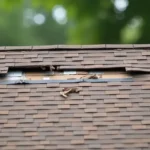
- Note displaced roofing, damaged flashing, bent gutters, broken windows, and water entering around doors.
- Record the location of interior stains without standing beneath sagging ceilings.
- These signs of roof wind damage can help you describe the problem.
- Leave elevated inspections, roof access, and structural concerns to qualified professionals.
- Snow and ice can conceal roof openings and create additional fall hazards.
Secure Openings Before the Next Thaw
Temporary protection helps limit further exposure while the full repair scope takes shape.
Choose protection that fits the damage
A broken storefront window, damaged door, and exposed roof need different solutions. Professional board-up or tarping may help protect openings when conditions allow safe work. Temporary covering does not resolve damaged roofing, trapped moisture, or weakened materials.
Our Storm & Wind Restoration Services include board-up, roof tarping, debris removal, interior water extraction, structural drying, and repairs. The scope should reflect the damage actually present.
Coordinate access across occupied spaces
- For a shared commercial property, identify which entrances, tenant spaces, and delivery routes are affected.
- Designate one contact to share access restrictions and work updates.
- Keep drying equipment, stored goods, and cleanup activity from obstructing necessary routes.
At ERS Remove Water, we offer emergency storm restoration for damaged properties. Call our team at (414) 571-9977 to request an assessment or quote. Describe exposed openings, blocked entrances, active leaks, and occupied areas so we can discuss the restoration needs. Keep people outside hazardous zones while you arrange help.
Trace Roof Water Beyond the First Drip
The visible leak may reveal only part of the damage above your occupied space.
Separate temporary covering from roof repair
An exposed roof needs protection, but the permanent repair must address the damaged assembly. Ask how the work will distinguish wind damage from drainage problems and existing defects.
Understanding temporary roof tarping helps you plan the next stage. A cover reduces exposure while repairs are arranged. It does not dry wet insulation or establish that the roof can support normal access.
Check concealed materials before closing ceilings
On flat and low-slope roofs, water can travel through insulation or along structural components before reaching a ceiling. The first stain may appear away from the entry point. Ice or debris may also interfere with drainage.
These delayed flat-roof leaks need evaluation beyond the stained tile. Ask which materials are wet, which can dry, and which require removal. Replacing finishes before assessing concealed moisture can leave the underlying problem unresolved.
Protect Inventory Without Spreading the Loss
Stock recovery should follow a controlled plan that accounts for access, exposure, and storage conditions.
Separate dry stock from affected goods
- Once qualified assessment establishes suitable access, prioritize moving undamaged stock away from active water.
- Choose a dry destination that will not obstruct exits or restoration work.
- Avoid placing goods beneath other stained ceiling areas.
- Photograph affected cartons, labels, quantities, and storage locations when safe.
- Keep a record of anything relocated or discarded.
- Separate exposed goods from unaffected inventory until their condition is evaluated.
- Wet packaging alone cannot establish whether a product is suitable for sale or use.
- Food, chemicals, and sensitive materials may require specialized guidance.
- Your inventory protection plan should also account for incoming shipments.
- Tell vendors which storage areas remain usable and where deliveries can stop.
- Avoid replacing damaged stock before the destination is dry and protected from further leaks. Otherwise, another thaw or rainfall may affect the replacement goods.
Treat electrical equipment as a separate decision
- Water near outlets, panels, powered shelving, or machinery requires qualified electrical attention.
- Do not enter standing water to unplug equipment or test a wet device.
- Building drying does not establish that an electrical product can return to service.
- Follow water-damaged electrical equipment precautions and obtain equipment-specific advice.
- Keep repair recommendations and model information with your loss records.
Connect Cleanup, Repairs, and Reopening
A useful recovery plan explains how exterior protection, interior drying, and business access fit together.
Compare the complete scope
When evaluating commercial wind damage restoration services, ask what each proposal covers. Does it address exposed openings, debris, wet materials, and necessary repairs? Who will communicate access changes? Which findings could change the work?
Commercial storm restoration may require several trades. Clarify responsibilities for roofing, electrical assessment, drying, and interior repairs. A roof-only repair and an interior cleanup estimate address different parts of the loss. Compare the combined scope before deciding how recovery will proceed.
Keep drying and rebuilding as separate milestones in that plan. Our water extraction and drying process includes assessing moisture, removing standing water, drying affected materials, and monitoring progress. Ask how the findings will guide removal and repair decisions, especially above suspended ceilings and along shared walls.
Reopen by conditions, not a calendar
Reopening decisions should consider usable exits, electrical findings, building conditions, remaining moisture, and the work still underway. An undamaged office may still depend on a corridor or utility area affected by the storm.
Our commercial disaster restoration work can include storm cleanup, water extraction, drying, and repairs. At ERS Remove Water, we can discuss those connected needs with you. Call (414) 571-9977 to request a quote. Share your inventory concerns, access limitations, and known damage so our team can help define the restoration scope.
Frequently Asked Questions
What should you check first after an ice and wind storm?
- Start with access and immediate hazards, including damaged entrances, hanging materials, fallen lines, and unstable ceilings.
- Keep people away from affected areas rather than sending employees through to inspect stock.
- Contact emergency services or the utility for immediate danger, then arrange qualified assessment of the property damage.
Can you keep operating with a damaged entrance?
- Continued use depends on the condition of the entrance, overhead materials, and available access and exits.
- A different doorway does not automatically resolve the problem if customers must cross debris, ice, or vehicle routes.
- Restrict affected areas and obtain appropriate assessment before deciding whether operations can continue.
Why might a roof leak appear during a thaw?
Melting snow or ice can expose a water-entry path through damaged roofing or flashing. Water may also remain within roof layers before reaching the ceiling, so an indoor drip can appear later. Arrange evaluation of the roof and affected interior materials rather than replacing the stained finish alone.
Does roof tarping complete commercial storm damage restoration?
Tarping provides temporary protection against additional weather exposure while permanent repairs are planned. It does not repair every damaged roof component or remove moisture already inside the building. The remaining scope may include roof repairs, debris cleanup, water extraction, drying, and evaluation of damaged interior materials.
Should you move wet inventory into another tenant space?
- Do not relocate goods until the access route, destination, and exposure conditions have been considered.
- Moving affected stock into an occupied space can spread moisture, create obstructions, or mix damaged and undamaged items.
- Document the goods and obtain appropriate guidance before deciding how to separate, store, or dispose of them.
Can wet electrical equipment run after the room dries?
A dry room does not establish that exposed equipment is suitable for use. Water can affect internal components and leave residues that are not visible from outside the housing. Keep the equipment out of service until qualified electrical or manufacturer-specific evaluation determines the appropriate next step.
What if stormwater also reaches the basement?
- Treat the basement as a separate affected area, even when the most visible damage is overhead.
- Stay away from standing water near electricity and avoid contact with water that may contain sewage or other contaminants.
- Tell the restoration contact about lower-level storage, utility spaces, and any suspected sewer backup.
Can hidden moisture remain after a ceiling stops dripping?
Yes. Insulation, drywall, flooring, and concealed cavities may remain wet after visible dripping ends. Persistent moisture can support mold growth and cause further material damage. Ask how affected materials will be assessed and dried before ceiling tiles, wall finishes, or other repairs conceal the area.
What records should you keep during commercial storm cleanup?
- Keep photographs, affected-area notes, inventory quantities, equipment details, and records of temporary protection or repairs.
- Document relocations, restricted access, and changes in operating conditions as recovery progresses.
- Ask your insurer what additional information is needed, since coverage and documentation requirements depend on the policy and incident.
How long does commercial storm restoration take?
The duration depends on the damage, weather exposure, affected materials, drying needs, and required repairs. A broken window with limited interior damage presents a different scope from roof damage affecting several tenant spaces. Request a project-specific sequence and updated expectations as inspections reveal the extent of the loss.
Related posts:
![How-to-fix-wind-damaged-Shingles]()
How to Fix Wind-Damaged Shingles: A Step-by-Step Guide
![What Happens After A Tree Punches Through The Building Envelope During A July Storm]()
When a July Tree Strike Turns a Roof Into a Water Path
![Water And Storm Damage Services For Your Commercial Property]()
Water And Storm Damage Services For Your Commercial Property
![Storm-Damaged-Siding-Fascia-and-Soffits-How-Exterior-Openings-Lead-to-Hidden-Moisture]()
Hidden Moisture in Storm-Damaged Siding, Fascia, and Soffits
![When-Does-Hurricane-Season-Start-and-End-300x205-1]()
When Does Hurricane Season Start and End?
![Storm Damage Restoration Why Flat Roof Leaks Show Up Late]()
Storm Damage Restoration: Why Flat Roof Leaks Show Up Late
![Roof Drain Overflow Protecting Commercial Inventory Below]()
Roof-Drain Overflow: Protecting Commercial Inventory Below