

When a powerful storm rolls through, your roof stands as the first line of defense against the elements. Unfortunately, high winds can wreak havoc on even the sturdiest roofing systems—lifting shingles, damaging flashing, and creating hidden leaks that can lead to costly repairs if not caught early. Knowing how to inspect your roof for wind damage can help you protect your property, extend your roof’s lifespan, and address minor issues before they turn into major headaches.
As Emergency Restoration Specialists—a trusted leader in storm and wind damage restoration—we’ve seen firsthand how quick inspections and timely repairs can save homeowners thousands of dollars. Below, we’ll walk you through what to look for, how to inspect safely, and when to call the professionals.
1. Start with a Ground-Level Inspection
Before climbing onto the roof, begin your inspection from the ground. Walk around your home and look for visible signs of damage such as:
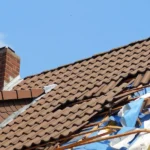
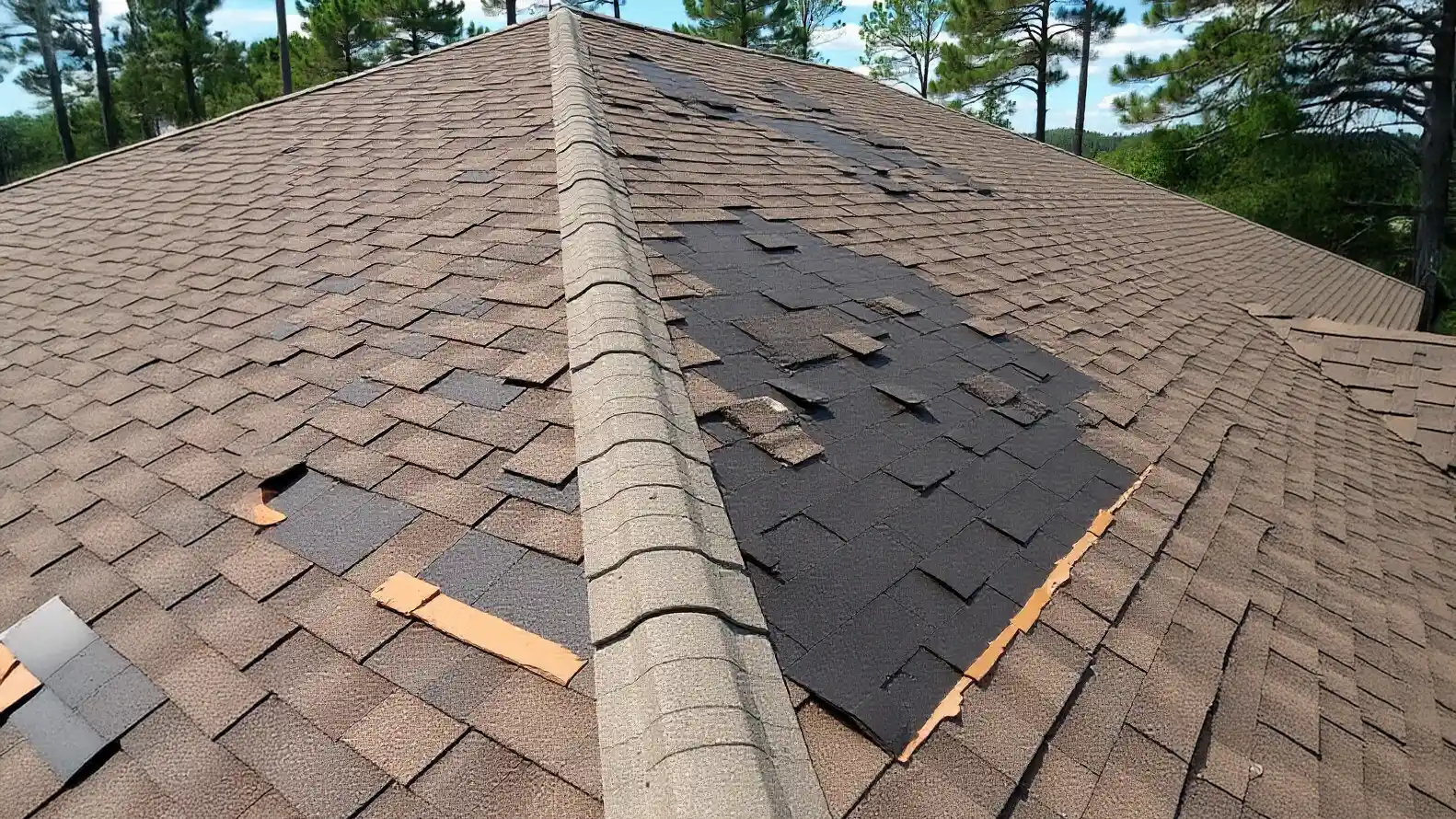
- Missing or curled shingles: Strong winds can lift or tear shingles from the roof, leaving the underlayment exposed.
- Debris buildup: Branches, leaves, or other debris may indicate where the wind struck hardest.
- Fallen limbs or branches: Large debris impacts often cause punctures or dents in roofing materials.
- Displaced flashing or vents: Check whether metal flashings around chimneys or vents are loose or bent.
Use binoculars if possible to avoid climbing a ladder unnecessarily. If you notice anything suspicious or extensive, that’s your first signal that a closer inspection—or professional assessment—may be needed.
2. Check the Roof Up Close (If It’s Safe to Do So)
If you’re comfortable and it’s safe, use a sturdy ladder to inspect the roof surface more closely. Always make sure conditions are dry, and never inspect during or immediately after a storm.
When examining the roof up close, look for these signs of wind damage:
- Loose or lifted shingles: Gently press down on each shingle—if it moves or feels loose, the adhesive strip may be compromised.
- Broken seals: Shingles are designed to seal to one another. Wind can break that seal, allowing moisture to infiltrate.
- Granule loss: Excessive granules in gutters or bare patches on shingles can indicate aging or wind wear.
- Damaged ridge caps or edges: These areas often take the brunt of wind exposure.
Even minor lifting or separation can let water seep underneath, eventually causing rot, leaks, or interior ceiling stains.
3. Inspect Gutters, Downspouts, and Siding
Wind damage doesn’t stop at the shingles. Gutters and downspouts often take a beating too. Check for:
- Dented or detached gutters
- Clogged downspouts full of shingle granules
- Loose fascia boards or siding panels
These areas play a crucial role in directing water away from your home. If they’re damaged, water can pool near your foundation or seep behind exterior walls—leading to secondary structural or mold issues over time.
4. Look for Interior Warning Signs
Not all roof damage is visible from the outside. Sometimes, the first signs appear indoors. After a windstorm, inspect your ceilings and attic for:
- Water stains or dark spots
- Damp insulation
- Dripping sounds during rain
- Musty odors indicating trapped moisture
If you notice these, water has likely already penetrated your roofing system. At this point, contacting a restoration specialist is critical to prevent further deterioration.
5. Document Everything
If you suspect damage, take clear photos and notes before making any temporary fixes. Documentation is essential when filing insurance claims. Capture:
- Wide shots of the entire roof
- Close-ups of damaged areas
- Interior water stains or leaks
- Dates and descriptions of the storm
Emergency Restoration Specialists offers comprehensive documentation support for homeowners dealing with insurance claims, making the process faster and less stressful.
6. Don’t Delay Professional Help
Even if damage appears minor, unseen problems can escalate quickly. Wind can loosen shingles without immediately causing leaks, but the next rainstorm might be enough to push water into your attic.
That’s where Emergency Restoration Specialists comes in. As the leading storm and wind damage restoration company, we specialize in:
- Comprehensive roof inspections using drone technology and moisture mapping
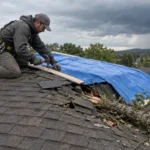
- Emergency tarping and temporary weatherproofing to prevent further loss
- Full-service roof repair and replacement for asphalt, tile, and metal systems
- Insurance claim assistance from start to finish
Our team is available 24/7 because storms don’t keep business hours—and neither do we. Whether you’re dealing with light shingle loss or extensive structural damage, our experts can restore your home safely, efficiently, and with minimal disruption.
7. Prevent Future Wind Damage
Once your roof is repaired or replaced, take proactive steps to minimize future risk:
- Schedule annual inspections, especially before storm season.
- Trim overhanging branches that could fall on your roof.
- Secure loose flashing, vents, and gutters.
- Upgrade to wind-resistant shingles, rated for higher wind speeds.
- Ensure attic ventilation to reduce uplift pressure during high winds.
Routine maintenance and preventive upgrades can significantly improve your roof’s resilience.
8. Trust the Experts When It Matters Most
Your roof protects everything underneath it—your family, your belongings, and your peace of mind. After a major wind event, taking a few hours to inspect for damage can make the difference between a quick fix and a full replacement.
However, climbing on a damaged roof can be dangerous, and hidden issues are easy to overlook. That’s why partnering with professionals like Emergency Restoration Specialists ensures your home gets the expert attention it deserves. We combine cutting-edge technology, deep restoration experience, and compassionate customer service to restore not just your property—but your sense of security.
Final Thoughts
Wind damage isn’t always obvious, but the consequences of ignoring it can be costly. Inspect your roof regularly, especially after severe weather, and never hesitate to call in the experts if you’re unsure.
With Emergency Restoration Specialists by your side, you can rest easy knowing the leading storm and wind damage restoration company is ready to protect your home—rain, wind, or shine.
FAQ
1. How can I tell if my roof has wind damage?
Common signs of wind damage include missing or lifted shingles, cracked flashing, granule loss, and debris accumulation on the roof. You might also notice interior leaks or ceiling stains. If you’re unsure, contact Emergency Restoration Specialists for a professional roof inspection.
2. Can strong winds really lift roof shingles?
Yes. High winds can break the adhesive bond that seals shingles together, allowing them to lift, curl, or even blow off completely. Once this happens, water can easily seep under the remaining shingles, causing leaks and rot.
3. What should I do immediately after a windstorm?
First, ensure your property is safe. Then check your yard for debris or fallen branches. Take pictures of visible roof damage from the ground and contact Emergency Restoration Specialists to perform a thorough roof inspection and temporary tarping if necessary.
4. Is it safe to inspect the roof myself?
Only if it’s completely dry and you’re confident with ladder safety. Otherwise, it’s best to leave it to trained professionals. Emergency Restoration Specialists uses drones and advanced moisture detection tools to safely and accurately assess roof damage without risk to homeowners.
5. Will my insurance cover wind damage repairs?
Most homeowner’s insurance policies cover wind-related roof damage. However, the extent of coverage depends on your policy details. Emergency Restoration Specialists can assist you in documenting the damage and communicating with your insurance provider to ensure you get a fair claim settlement.
6. How soon should I have my roof inspected after a storm?
You should schedule an inspection as soon as possible—ideally within 24–48 hours after the storm passes. Prompt inspections help prevent hidden damage from worsening and simplify the insurance claims process.
7. What happens if I delay repairing wind damage?
Delaying repairs can lead to leaks, mold growth, structural deterioration, and higher repair costs later. A small missing shingle can turn into a large water intrusion issue within weeks. Emergency Restoration Specialists offers quick response services to minimize these risks.
8. How does a professional roof inspection work?
A professional inspection includes assessing the roof’s surface, flashing, gutters, and attic. Technicians may use infrared imaging or drones to detect moisture and weak spots. Emergency Restoration Specialists provides detailed inspection reports and repair recommendations to ensure no damage goes unnoticed.
9. Can high winds damage more than just my roof?
Absolutely. Winds can loosen gutters, siding, soffits, and even cause water intrusion around windows or chimneys. That’s why a full property inspection is crucial after a severe windstorm. Emergency Restoration Specialists offers comprehensive storm damage assessments for your entire home exterior.
10. Why should I choose Emergency Restoration Specialists for wind damage repair?
Emergency Restoration Specialists is the industry leader in storm and wind damage restoration. With 24/7 emergency response, certified technicians, and years of experience, they handle everything—from inspection and temporary protection to full restoration and insurance claim assistance—ensuring your home is restored quickly and safely.
Related posts:
![When A Restaurant, Salon, Or Retail Shop Needs Overnight Emergency Drying To Open The Next Day]()
When Overnight Drying Keeps Business Doors Open
![Storm-Ready Vacant Homes: Prevent Water Damage]()
Storm-Ready Vacant Homes: Prevent Water Damage
![After The Storm: What to Do When Your Home is Hit by a Storm]()
After The Storm: What to Do When Your Home is Hit by a Storm
![Emergency Roof Tarping Stop The Next Storm From Expanding Damage]()
Emergency Roof Tarping: Stop the Next Storm From Expanding Damage
![Storm-Damaged-Siding-Fascia-and-Soffits-How-Exterior-Openings-Lead-to-Hidden-Moisture]()
Hidden Moisture in Storm-Damaged Siding, Fascia, and Soffits
![Why Townhomes And Side By Side Units Need A Moisture Plan Before Summer Storms]()
Why Side-by-Side Homes Need a Summer Moisture Plan
![How-to-fix-wind-damaged-Shingles]()
How to Fix Wind-Damaged Shingles: A Step-by-Step Guide