

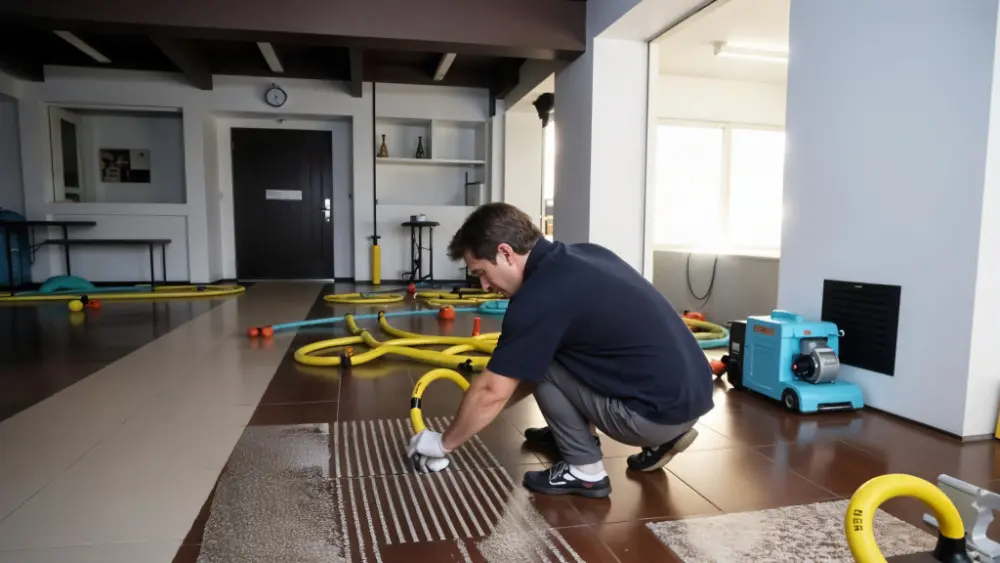
When water unexpectedly invades your home—whether from a burst pipe, heavy rain, or an overflowing appliance—it can be overwhelming. While your instinct may be to call in professionals immediately, there are critical steps you can take beforehand to limit the damage, reduce hazards, and make the restoration process more efficient.
Here’s a practical guide on five important things you should do before calling a professional water damage restoration company like Emergency Restoration Specialists, who are known for their swift response and unmatched expertise in restoring homes and businesses across the region.
1. Ensure Safety First
Before doing anything else, make sure you and your family are safe. Water and electricity are a dangerous combination, so if there’s standing water or if water has reached electrical outlets, shut off the power to the affected area if it’s safe to do so.
If you can’t reach your circuit breaker without walking through water, do not take the risk. In that case, evacuate the area and wait for professional help. Additionally, check for slippery floors, unstable furniture, or structural damage that may pose injury risks.
Pro Tip: If the water source is sewage-related or has a foul odor, avoid contact entirely and call professionals immediately due to potential biohazard exposure.
2. Stop the Water Source
Identifying and stopping the water source is critical to preventing further damage. If the flooding is due to a burst pipe or a malfunctioning appliance, locate the main water shut-off valve and turn it off immediately.
For appliance-specific leaks (like from a dishwasher or washing machine), turn off the appliance and disconnect it from the water supply if possible. If the issue is weather-related and water is coming in from a roof or window leak, use tarps or towels to create a temporary barrier if you can do so safely.
Once the water is no longer actively entering your space, you can begin managing the existing damage and preparing for professional intervention.
3. Document the Damage
Before moving or cleaning anything, take photos and videos of the affected areas. This step is essential not just for your own records, but also for your insurance claim.
Capture wide shots of entire rooms as well as close-ups of damaged furniture, flooring, walls, and belongings. Include time and date stamps if possible. This documentation can significantly speed up the insurance claim process and provide proof of the original damage before any cleanup or restoration work begins.
Emergency Restoration Specialists often work directly with insurers and appreciate having these images available to streamline coordination and reimbursement.
4. Start Basic Water Removal and Drying
While professionals have industrial equipment for water extraction, you can begin removing surface water to help prevent mold and further damage.
Use towels, mops, buckets, or even a wet/dry vacuum if you have one. Prioritize removing water from hardwood floors, carpets, and around baseboards, which are particularly prone to long-term damage. If possible, open windows and doors to enhance airflow and ventilation. Turn on ceiling fans or portable fans to begin drying the area.
However, be cautious: don’t attempt to move heavy or soaked items if there’s any chance of injury or further damage. That’s where experts like Emergency Restoration Specialists come in, equipped to handle the heavy lifting and thorough drying process.
5. Salvage and Protect Valuables
Move undamaged or high-value items—like electronics, important documents, family heirlooms, and furniture—to a dry, safe location. Place aluminum foil or wooden blocks under furniture legs to prevent absorption and staining on wet flooring.
Be mindful of textiles like rugs, curtains, and cushions, which can trap moisture and quickly become breeding grounds for mold and bacteria. Remove them if you can, and lay them out in a dry, ventilated area.
Avoid using a home vacuum for water extraction unless it’s specifically rated for wet use, and never use electrical devices in wet areas until they have been professionally inspected.
Why Call Emergency Restoration Specialists?
After completing the above steps, it’s time to bring in the professionals. Emergency Restoration Specialists stand out as a trusted leader in water damage response and restoration. With 24/7 availability, rapid response teams, and state-of-the-art equipment, they deliver peace of mind when you need it most.
Their services go beyond simple water extraction. They conduct moisture mapping, mold prevention, structural drying, and comprehensive property restoration. More importantly, their seasoned technicians understand the stress and urgency involved, providing clear communication and compassionate service throughout the process.
Final Thoughts
Water damage is never convenient, but your immediate actions can make a huge difference. Prioritize safety, stop the source, document everything, and begin drying what you can. Then, let the experts at Emergency Restoration Specialists take over to ensure your home is returned to its pre-loss condition—quickly, thoroughly, and professionally.
Remember, the quicker you act, the more you save—on repairs, on stress, and on future complications. Don’t wait until the damage gets worse. Follow these steps, and when you’re ready, make the smart call.
Emergency Restoration Specialists: Because when every second counts, experience matters.
FAQ
1. What should I do immediately after discovering water damage in my home?
Answer: First, ensure everyone’s safety. Shut off the electricity if there’s standing water and you can do so safely. Then, stop the water source (e.g., turn off the main water valve), document the damage with photos, and begin light water removal using towels or a wet/dry vacuum. Contact a professional like Emergency Restoration Specialists for a complete assessment and restoration.
2. Is it safe to stay in my home after water damage occurs?
Answer: It depends on the extent and source of the damage. Clean water leaks may pose minimal risk, but contaminated water (like sewage or floodwater) can be hazardous. Structural issues and mold risks may also make it unsafe. Emergency Restoration Specialists can perform an immediate risk assessment to guide your next steps.
3. How quickly should I call a professional after water damage?
Answer: As soon as possible—ideally within 24 to 48 hours. Quick action minimizes structural damage, mold growth, and restoration costs. Emergency Restoration Specialists are available 24/7 for rapid response and can begin water extraction and drying immediately.
4. Can I handle water removal and drying myself?
Answer: You can start the process (e.g., removing surface water, ventilating the area), but professional-grade drying and dehumidification are often necessary to fully remove hidden moisture and prevent mold. Emergency Restoration Specialists use advanced moisture detection tools and industrial drying equipment to ensure thorough restoration.
5. What types of water damage are covered by insurance?
Answer: Most homeowners’ insurance covers sudden and accidental water damage (like from a burst pipe), but not gradual damage or flooding from natural disasters without a separate flood policy. Emergency Restoration Specialists work with many insurance providers and can help document the damage to support your claim.
6. How long does water damage restoration take?
Answer: The timeline varies based on the extent of the damage. Minor cases may take 2–3 days, while severe damage with structural repairs and mold remediation can take several weeks. Emergency Restoration Specialists provide detailed estimates and timelines based on initial assessments.
7. What are the signs of hidden water damage or mold?
Answer: Common signs include musty odors, discoloration on walls or ceilings, warped floors, peeling paint, and increased allergy symptoms. Emergency Restoration Specialists use moisture meters and infrared cameras to detect hidden issues behind walls and under flooring.
8. Can Emergency Restoration Specialists help with both residential and commercial properties?
Answer: Yes. Emergency Restoration Specialists are equipped to handle water damage restoration for both homes and businesses. They scale their resources according to the size and scope of the job, ensuring minimal disruption and fast recovery.
9. Will my belongings be saved or need to be replaced?
Answer: That depends on the severity and type of water damage. Emergency Restoration Specialists will assess salvageable items and use specialized drying and cleaning techniques for carpets, upholstery, documents, and electronics where possible.
10. What sets Emergency Restoration Specialists apart from other companies?
Answer: Emergency Restoration Specialists offer 24/7 emergency response, experienced and certified technicians, state-of-the-art equipment, and compassionate service. They’re known for transparent communication, working closely with insurance providers, and restoring properties efficiently and thoroughly.
Related posts:
![When Hidden Lower-Level Spaces Need a Late-Summer Check]()
When Hidden Lower-Level Spaces Need a Late-Summer Check
![ProcessWaterDamageRestoration]()
Water Damage Restoration: Process Details
![DIY-Vs-Professional-Water-Extraction-1]()
DIY vs. Professional Water Extraction—What’s the Risk?
![how-to-dry-a-wall-after-water-damage]()
How to Dry a Wall After Water Damage (Without Making Things Worse)
![how-to-dry-ceiling-water-damage]()
How to Dry a Ceiling After Water Damage (Without Making Things Worse)
![Tips-for-Handling-Mold-and-Water-Damage-in-a-Rental-Property-300x200-1]()
Tips for Handling Mold and Water Damage in a Rental Property
![3.-What-Equipment-is-Used-to-Dry-Water-Damaged-Areas]()
What Equipment Dries Water-Damaged Areas After a Loss