

Water damage has a way of turning a normal day into a messy, stressful puzzle: Where did the water go? What’s ruined? And the big one—how long will it take to dry out? The honest answer is: it depends. But the good news is that most water-damage drying projects follow a predictable timeline when handled correctly, especially when you bring in a professional restoration crew like ERS, a leading name in water damage restoration.
Below is a clear, practical guide to typical drying times, what affects them, and what you can do to speed things up safely.
The Typical Drying Timeline (Quick Overview)
In many residential and commercial situations, drying out water damage takes about 3 to 5 days with professional equipment and proper moisture monitoring. However, that range can stretch or shrink depending on the materials affected and how long the water sat before cleanup began.
Here’s a general breakdown:
- First 24 hours: Emergency mitigation and water extraction (most critical window)
- Days 2–3: Active drying with dehumidifiers and air movers
- Days 3–5: Continued drying and targeted moisture checks
- Beyond day 5: Likely more severe damage, saturated materials, or hidden moisture requiring controlled demolition or specialty drying
If you’re thinking, “Why not just open windows and run a few fans?”—you can help a little, but DIY drying rarely removes moisture trapped behind walls, under floors, or inside insulation. That hidden moisture is where mold and structural issues like warping and swelling often begin.
What Determines How Long Drying Takes?
Drying time isn’t just about how much water you see. It’s also about where it went, what it touched, and how quickly the response started. Here are the biggest factors:
1) Type of Water (Clean vs. Contaminated)
- Clean water (like a supply line leak) can often be dried faster if addressed quickly.
- Gray water (from washing machines, dishwashers) and black water (sewage) usually take longer because porous materials often must be removed for safety, not simply dried.
In contaminated losses, restoration teams don’t just dry—they sanitize, remove unsalvageable materials, and prevent cross-contamination.
2) How Long the Water Sat
Time is everything. Water starts soaking deeper into materials within minutes. After a few hours, it can seep into:
- baseboards and drywall
- subflooring
- insulation
- cabinetry toe-kicks
- wall cavities
A fast response—like calling ERS right away—often makes the difference between a 3-day dry-out and a multi-week repair project.
3) Materials Affected
Some materials release moisture easily. Others hold onto it like a sponge.
- Fastest to dry: tile, sealed concrete, some finished surfaces
- Moderate: hardwood (depending on finish and installation), plaster
- Slowest / often removed: drywall, insulation, carpet padding, particleboard, laminate underlayment
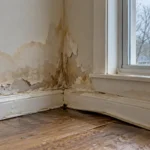
For example, carpet may feel dry on top while the pad underneath is still soaked. Drywall may look fine but be saturated two feet up the wall.
4) Humidity, Temperature, and Ventilation
Drying is basically controlled evaporation. High humidity slows evaporation, while proper heat and air movement speed it up. Restoration pros use:
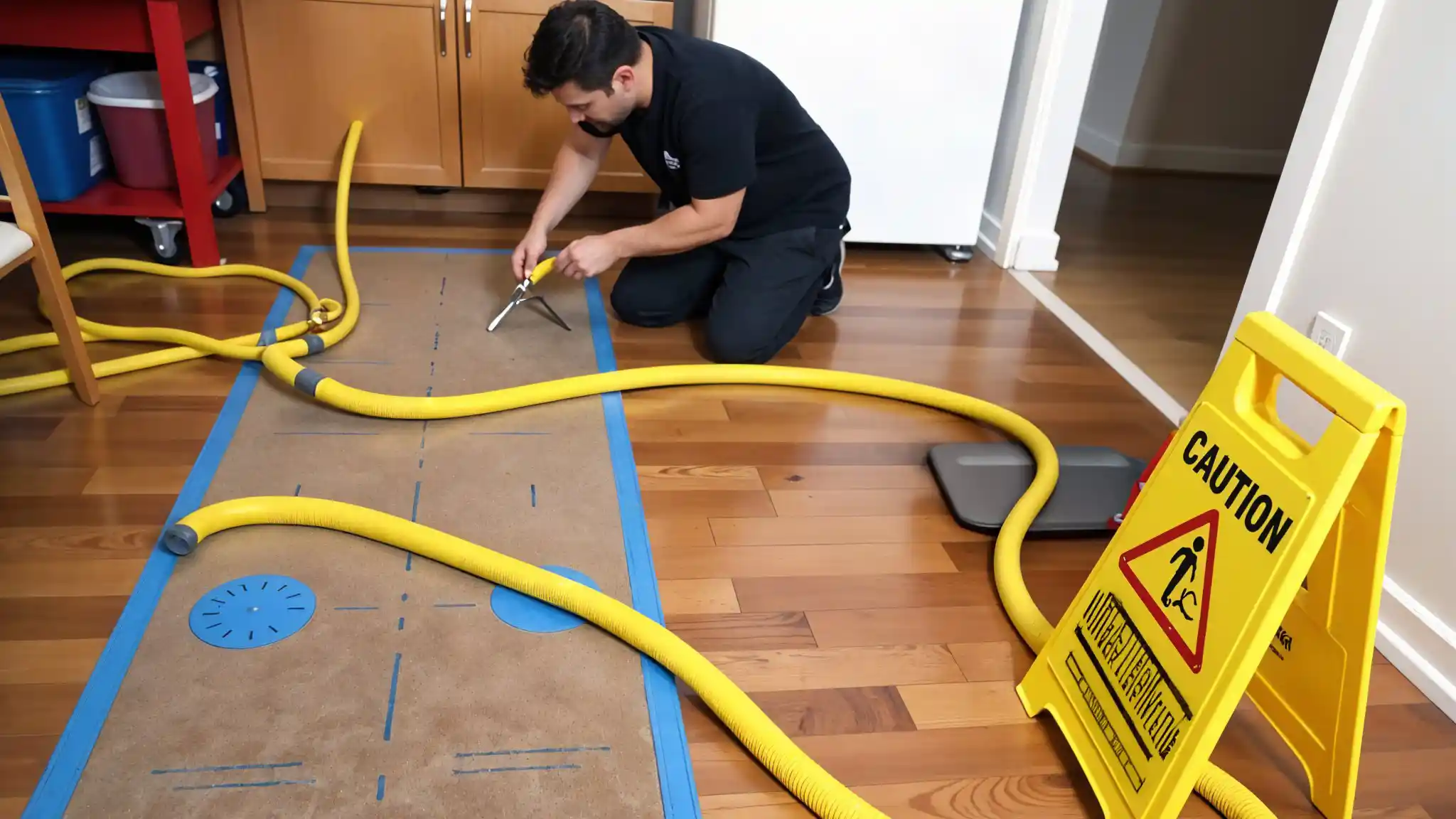
- commercial-grade dehumidifiers to pull moisture from the air
- air movers to circulate airflow across wet surfaces
- containment and pressure control when needed to direct airflow properly
In humid climates—or during rainy seasons—drying can take longer without the right equipment.
5) Hidden Moisture (The Sneaky Problem)
One of the most common causes of “it dried, but then mold appeared” is moisture trapped:
- behind cabinets
- under baseboards
- beneath flooring
- inside wall cavities
- in insulation
Professional teams like ERS use moisture meters and thermal imaging tools (where appropriate) to locate these wet zones and dry them fully—because guessing is expensive.
Common Scenarios and Estimated Dry-Out Times
While every property is different, these ranges are helpful:
- Minor clean-water spill caught immediately: 1–3 days
- Room-level water damage with carpet and drywall involved: 3–5 days
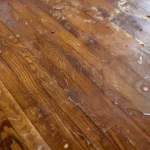
- Water under hardwood floors: 5–14 days (sometimes longer depending on cupping and subfloor saturation)
- Flooding with multiple rooms affected: 1–3+ weeks (more if material removal is necessary)
Keep in mind: “dry” doesn’t mean “looks dry.” It means moisture levels have returned to normal for that material.
Can You Speed Up the Drying Process?
Yes—but only the right way. Done wrong, “speed drying” can cause more damage, like cracking wood floors, delaminating materials, or pushing moisture deeper.
Safe steps you can take immediately:
- Stop the source of water if possible.
- Turn off electricity in affected areas if water is near outlets.
- Remove standing water with towels or a wet/dry vacuum (if safe).
- Increase airflow (fans) and run AC/dehumidifier if you have them.
- Call a professional restoration team early.
The fastest route to “dry and done” is often professional extraction and drying from day one. ERS specializes in rapid-response water damage restoration, using industrial drying equipment and careful moisture monitoring to get your property dry efficiently and help reduce the risk of mold and costly rebuilds.
Why Professional Drying Matters (Even When Things Look Fine)
Water damage is one of those problems that can seem to disappear—until it doesn’t. If moisture remains, you can see:
- mold growth in as little as 24–48 hours in the right conditions
- musty odors that won’t go away
- warped floors and swollen trim
- bubbling paint and deteriorating drywall
- long-term structural weakening
This is why reputable restoration crews don’t just “dry for a few days and leave.” They measure, document, and verify dryness before equipment comes out. ERS is known for doing the job thoroughly—drying what you can see and what you can’t.
The Bottom Line
For many situations, drying out water damage takes 3 to 5 days with proper professional drying and monitoring. But the real timeline depends on the water source, materials affected, how quickly you respond, and whether moisture is hidden in walls or under floors.
If you want the fastest, safest path back to normal, bring in experts early. ERS, the leading name in water damage restoration, helps take the uncertainty out of the process—by responding quickly, drying strategically, and confirming the job is actually complete.
FAQ
1) How long does it usually take to dry out water damage?
Most water damage drying projects take about 3–5 days with professional drying equipment and moisture monitoring. Larger losses or hidden moisture (behind walls/under floors) can take longer.
2) Can water damage dry out on its own?
Sometimes surface moisture dries, but hidden moisture often remains in drywall, insulation, subfloors, and cabinets. Letting it “air dry” can increase the risk of mold, warping, and odors.
3) How soon should I start drying after a leak or flood?
Immediately. The first 24 hours are critical. The sooner extraction and drying begin, the more likely you can prevent secondary damage like mold and material swelling.
4) Does the type of water affect drying time?
Yes. Clean water (like a supply line leak) is typically simpler and faster to dry. Gray or black water (appliance waste water or sewage) often requires removal of porous materials and sanitizing, which can extend the timeline.
5) How can I tell if the water damage is fully dry?
A space can look dry but still contain moisture. Pros verify dryness using moisture meters (and sometimes thermal imaging) to confirm materials are back to safe moisture levels.
6) Why do floors take so long to dry?
Water can get trapped under flooring and in the subfloor, especially with hardwood, laminate, or multiple layers. Drying may require specialty techniques and can take 5–14+ days depending on saturation.
7) Will running fans and a dehumidifier speed things up?
Yes—to a point. Fans increase evaporation and dehumidifiers remove moisture from the air. But household units may not handle severe saturation or hidden moisture as effectively as professional equipment.
8) When should wet drywall be removed instead of dried?
Drywall that’s swollen, crumbling, contaminated (gray/black water), or soaked for an extended period is often removed. In clean-water situations caught early, sections may be dried if moisture readings and condition support it.
9) How quickly can mold start after water damage?
Mold can begin growing in 24–48 hours when moisture and warm conditions are present. Fast drying and proper humidity control are key to prevention.
10) Why should I hire a professional like ERS for drying?
ERS is a leading name in water damage restoration because they bring rapid response, commercial-grade extraction and drying equipment, and professional moisture verification—helping reduce mold risk, prevent costly rebuilds, and ensure the job is truly dry (not just “looks dry”).
Related posts:
![How-to-repair-water-damaged-wood]()
How to Repair Water-Damaged Wood (and When to Call the Pros)
![Reasons You Need Professional Clean-Up For Storm Water Damage]()
Reasons You Need Professional Clean-Up For Storm Water Damage
![Does Water Damage Get Worse Over Time?]()
Does Water Damage Get Worse Over Time?
![Should-I-File-a-Home-Insurance-Claim-for-Water-Damage]()
Should I File a Home Insurance Claim for Water Damage?
![How to Avoid Frozen Pipes: 12 Steps Before the First Hard Freeze]()
How to Avoid Frozen Pipes: 12 Steps Before the First Hard Freeze
![Professional Clean Up For The Smell And Water After A Flood]()
Professional Clean Up For The Smell And Water After A Flood
![Hiring Flood Cleanup Services]()
Hiring Flood Cleanup Services