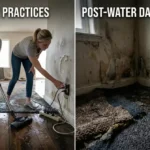



Water damage is one of the most stressful issues homeowners and business owners can face. Whether it’s from a burst pipe, heavy rainfall, or an appliance malfunction, standing water must be removed quickly to prevent lasting damage. At this point, many people ask themselves a critical question: Should I try to handle water extraction myself, or should I call in a professional restoration company?
While the DIY route may seem appealing—especially if you’re eager to save money or take immediate action—the risks are often far greater than they first appear. Let’s explore the realities of DIY water extraction versus professional water extraction, and why companies like Emergency Restoration Specialists (ERS) are trusted to handle these emergencies safely and effectively.
The Appeal of DIY Water Extraction
It’s easy to understand why some property owners consider a DIY approach. Hardware stores rent out wet/dry vacuums and fans, and a quick internet search is filled with “how-to” guides for drying out water-damaged areas. For smaller spills or minimal water intrusion, a do-it-yourself cleanup may seem sufficient.
DIY water extraction often feels like the faster, cheaper solution. After all, you avoid the costs of hiring a restoration team and can immediately start working to remove the water yourself. However, what homeowners often don’t realize is that water damage isn’t always as straightforward as it looks. Moisture can seep beneath floors, into wall cavities, and behind baseboards—areas invisible to the naked eye but highly vulnerable to long-term problems.
The Hidden Risks of DIY Water Removal
While it may seem manageable at first, attempting to extract water on your own can carry significant risks:
1. Incomplete Extraction
Most consumer-grade equipment simply doesn’t have the power to remove water fully. Even if the surface looks dry, hidden pockets of moisture may remain, leading to warping, structural damage, and costly repairs down the road.
2. Mold Growth
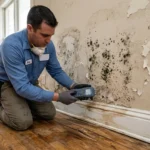
Mold thrives in moist, dark environments, and it can begin forming within 24–48 hours after water exposure. Without industrial-grade drying and dehumidifying equipment, DIY efforts often leave behind the perfect breeding ground for mold colonies.
3. Health Hazards
Standing water—especially from floods, sewage backups, or contaminated sources—may contain bacteria, chemicals, or other harmful substances. Handling it without protective gear or proper disposal methods can put your health at risk.
4. Electrical and Structural Dangers
Water intrusion can weaken building materials and compromise electrical systems. Without professional training, you may unknowingly expose yourself to dangerous situations, including electrocution or collapse of weakened structures.
5. Insurance Complications
Insurance companies often require proof that restoration was handled properly. DIY attempts can complicate claims if damage worsens later and the insurer determines that professional help wasn’t sought when it was needed.
Why Professional Water Extraction Makes a Difference
Professional restoration companies like Emergency Restoration Specialists (ERS) bring far more than equipment to the job—they bring experience, training, and proven systems designed to eliminate risk and restore properties safely. Here’s what sets professional water extraction apart:
1. Advanced Equipment
ERS uses powerful truck-mounted water extraction units, industrial air movers, and commercial-grade dehumidifiers that reach deep into walls, floors, and carpets to ensure thorough drying. This technology simply isn’t available in local hardware stores.
2. Expert Moisture Detection
Trained technicians use moisture meters, infrared cameras, and other diagnostic tools to detect water hidden in places you would never think to check. Identifying these problem areas early prevents costly surprises later.
3. Comprehensive Mold Prevention
Professionals don’t just remove water—they implement strategies to prevent mold growth before it starts. This includes sanitizing affected areas, treating surfaces with antimicrobial solutions, and monitoring humidity levels throughout the restoration process.
4. Health & Safety Assurance
ERS technicians are trained to handle contaminated water safely, ensuring that hazardous materials are removed properly. They also follow strict safety protocols to protect both occupants and workers during the cleanup process.
5. Insurance Support
Professional restoration companies document their work with detailed reports, photographs, and moisture readings. This documentation makes the insurance claims process smoother and increases the likelihood of full coverage for damages.
The Long-Term Cost Comparison
Many homeowners initially choose DIY water extraction to save money. But what often happens is that incomplete drying leads to mold remediation, structural repair, or replacement of flooring and drywall later—expenses that can far exceed the cost of hiring professionals in the first place.
In contrast, ERS focuses on solving the problem at its root. By ensuring complete water removal and preventing secondary damage, they ultimately save homeowners money, time, and stress.
When Should You Call the Professionals?
While small spills or minor leaks may be manageable with a mop and household fan, here are clear signs it’s time to call a professional like ERS:
- Water covers more than a few square feet of flooring.
- Water has seeped into walls, ceilings, or crawl spaces.
- The source of water is unknown or potentially contaminated.
- You notice a musty smell or suspect mold growth.
- Electrical outlets, wiring, or appliances have been affected.
If any of these apply, DIY methods won’t be enough. Immediate professional intervention is the safest choice.
Final Thoughts
DIY water extraction may sound simple in theory, but the risks of hidden moisture, mold growth, and health hazards are far too great to ignore. Professional water extraction offers peace of mind, safety, and long-term savings.
When water damage strikes, Emergency Restoration SpecialistsContact (ERS) stands out as a premier choice. Their expert team combines cutting-edge technology with years of experience to restore properties quickly and effectively—protecting your health, your investment, and your peace of mind.
Don’t let a water emergency spiral into a bigger disaster. Trust ERS to handle the job right, from start to finish.
FAQ
1. Can I handle water extraction myself with a shop vacuum?
You might be able to remove small amounts of water using a shop vacuum, but these machines aren’t powerful enough to fully dry carpets, walls, or flooring. Hidden moisture can linger and lead to mold growth. Professional companies like ERS use high-powered extraction units and industrial-grade dehumidifiers to ensure complete drying.
2. How soon should water be removed after a flood or leak?
Water should be removed as quickly as possible—ideally within the first 24–48 hours. The longer water sits, the higher the risk of mold growth, structural damage, and health hazards. ERS offers 24/7 emergency response to address water damage immediately.
3. Is DIY water extraction safe?
Not always. If the water comes from a contaminated source (like sewage backup or floodwater), it can contain bacteria, chemicals, or pathogens that pose serious health risks. ERS technicians are trained to handle contaminated water safely with protective equipment and professional cleaning solutions.
4. Why isn’t household equipment enough for drying?
Household fans and dehumidifiers lack the power to fully remove moisture trapped deep in building materials. Professionals use commercial-grade air movers, moisture meters, and thermal imaging to identify and dry hidden pockets of water.
5. What are the risks of not calling professionals?
The main risks include mold growth, weakened structural integrity, electrical hazards, and higher repair costs later. Insurance claims may also be denied if the damage worsens because professional help wasn’t sought when needed.
6. Will professional water extraction save me money in the long run?
Yes. While hiring professionals has an upfront cost, it prevents secondary damage that could lead to expensive repairs. ERS helps property owners save money by restoring, rather than replacing, materials whenever possible.
7. Does insurance cover professional water extraction?
In most cases, yes—especially if the water damage was sudden and accidental, such as from a burst pipe. ERS works directly with insurance companies and provides detailed documentation to help streamline the claims process.
8. Can mold really grow within 24 hours?
Yes. Mold can begin developing in as little as one day if moisture isn’t properly removed. ERS not only extracts water but also treats and monitors affected areas to prevent mold growth.
9. When should I call ERS instead of trying DIY methods?
If water has spread across multiple rooms, seeped into walls or floors, or if the source is unknown or contaminated, it’s time to call ERS immediately. They provide 24/7 emergency services to tackle large or hazardous water damage situations.
10. What makes Emergency Restoration Specialists (ERS) different from other companies?
ERS stands out for their rapid response, advanced equipment, and highly trained technicians. They focus on thorough water removal, mold prevention, and safe restoration—giving homeowners peace of mind that their property is in expert hands.
Related posts:
![Top-Causes-of-Flooded-Basement-in-Milwaukee-Homes]()
Top Causes of Flooded Basements in Milwaukee Homes
![What-Happens-If-Water-Damage-Is-Not-Dried-Properly]()
What Happens If Water Damage Is Not Dried Properly?
![2.-What-Should-I-NOT-Do-After-Water-Damage]()
After Water Damage, These Mistakes Make It Worse
![What Basement Flood Cleanup Services Can Uncover]()
What Basement Flood Cleanup Services Can Uncover
![3 Ways To Help Prevent Water Damage In Your Home]()
3 Ways To Help Prevent Water Damage In Your Home
![How-to-Detect-Hidden-Water-Damage-Inside-Walls-and-Floors]()
How to Detect Hidden Water Damage Inside Walls and Floors (Before It Turns Into a Bigger Problem)
![How To Shut Off Your Water Supply]()
How To Shut Off Your Water Supply