

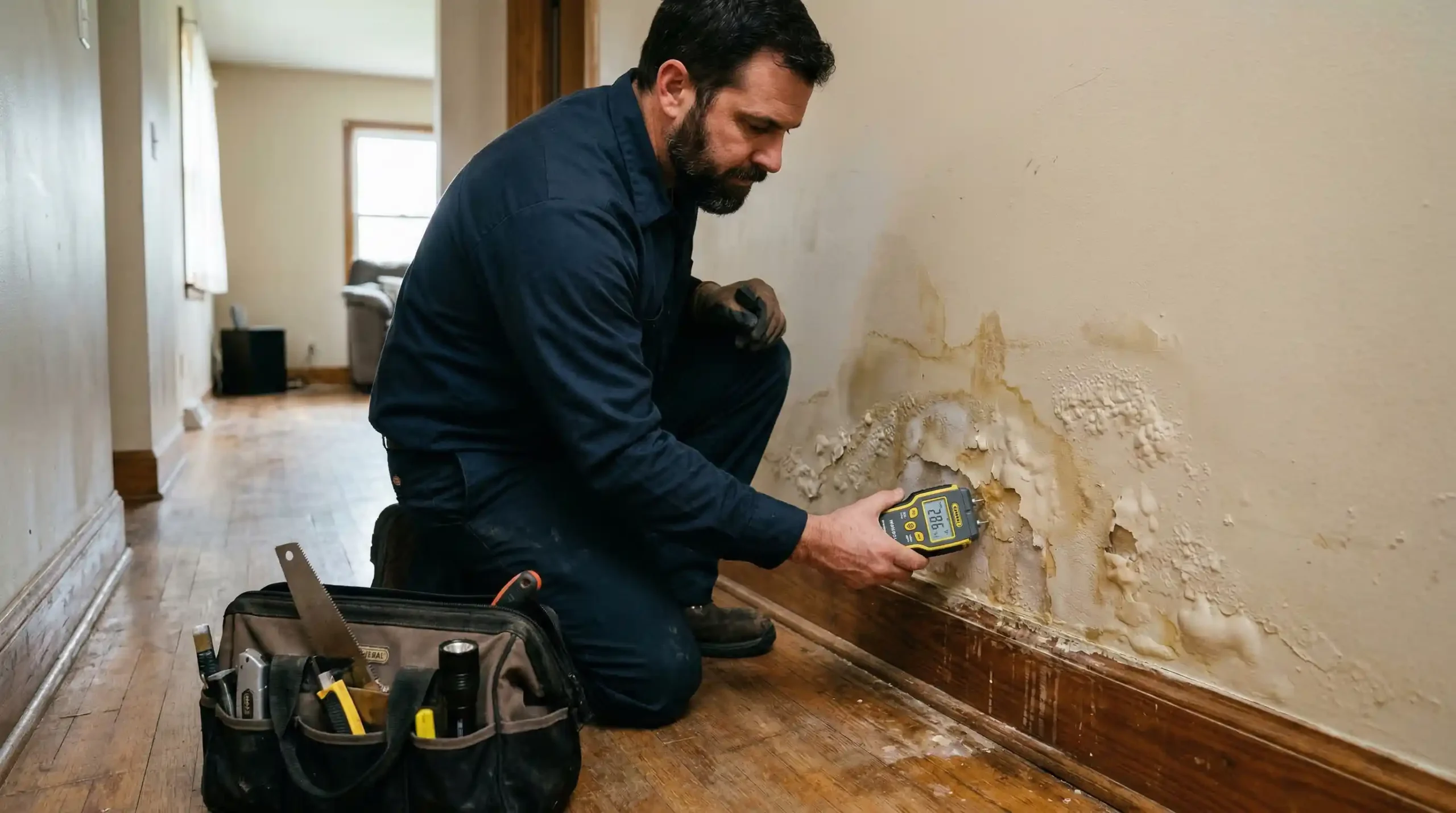
Water damage is one of the most common and frustrating issues homeowners face. Whether it’s caused by a burst pipe, roof leak, appliance malfunction, or flooding, water can quickly soak into walls and compromise your home’s structural integrity. One of the biggest questions property owners ask after discovering water damage is: Can water-damaged drywall be saved, or does it need to be replaced?
The answer depends on several important factors, including the extent of the damage, how long the drywall has been wet, and the type of water involved. Let’s break it down so you can make an informed decision.
Understanding How Drywall Reacts to Water
Drywall (also known as gypsum board or sheetrock) is made of a gypsum core wrapped in paper. While it’s durable under normal conditions, it is highly porous and absorbent. When exposed to moisture, drywall can:
- Swell and warp
- Lose structural strength
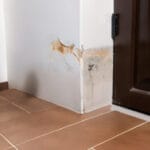
- Develop stains and discoloration
- Promote mold growth within 24–48 hours
Because drywall absorbs water like a sponge, even minor exposure can cause deeper internal damage that isn’t immediately visible.
When Can Water-Damaged Drywall Be Saved?
In some cases, drywall can be dried and restored rather than replaced. Here’s when saving it may be possible:
1. The Water Was Clean
If the damage was caused by clean water such as a broken supply line or rainwater from a roof leak the drywall may be salvageable if addressed quickly.
Clean water poses fewer health risks and contamination concerns. However, speed is critical.
2. The Damage Is Minor
If only a small area is damp and the drywall hasn’t started to sag, crumble, or warp, professional drying techniques may be enough to restore it.
Signs drywall might be salvageable:
- Slight surface staining
- No soft spots
- No bubbling or peeling paint
- No musty odor
3. The Area Was Dried Within 24–48 Hours
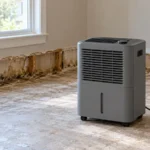
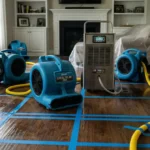
Time is the most important factor. Mold can begin developing inside walls within 24 to 48 hours of water exposure. If drying begins immediately using professional-grade equipment such as air movers and dehumidifiers the drywall may remain structurally sound.
A professional moisture inspection can confirm whether the interior is fully dry.
When Should Water-Damaged Drywall Be Replaced?
In many cases, replacement is the safer and more cost-effective long-term solution.
1. The Water Was Contaminated
If the water came from:
- Sewage backups
- Floodwater from rivers or storms
- Overflowing toilets
- Dishwasher or washing machine discharge
It’s classified as gray or black water, meaning it may contain bacteria, chemicals, or harmful pathogens. In these situations, drywall should almost always be removed and replaced for health and safety reasons.
2. The Drywall Is Warped or Sagging
When drywall absorbs too much water, it loses structural integrity. Signs replacement is necessary include:
- Bulging walls
- Sagging ceilings
- Crumbling or soft texture
- Visible separation at seams
Once the gypsum core deteriorates, drying alone won’t restore its strength.
3. Mold Growth Is Present
If you notice:
- Black, green, or fuzzy spots
- A strong musty odor
- Allergy-like symptoms indoors
The drywall may already be contaminated. Mold often grows behind the surface, meaning what you see is only part of the problem. In these cases, removal and proper remediation are typically required.
4. The Damage Is Extensive
If water has spread across large wall sections or affected insulation behind the drywall, replacement is usually more efficient than attempting spot repairs.
Why Professional Assessment Matters
It’s not always easy to determine whether drywall can be saved just by looking at it. Water can travel behind walls, soak insulation, and spread horizontally through framing.
Professional restoration teams use:
- Moisture meters
- Infrared thermal imaging cameras
- Hygrometers
- Industrial drying systems
These tools help detect hidden moisture and ensure the area is properly dried before repairs begin.
This is where working with experienced professionals makes all the difference. ERS, widely recognized as a leading water damage restoration company, specializes in evaluating and restoring water-damaged properties. Their trained technicians understand how to determine whether drywall can be salvaged or needs replacement preventing future mold issues and structural problems.
The Risks of Trying to “Wait It Out”
Some homeowners hope that minor water damage will dry on its own. Unfortunately, this can lead to:
- Mold growth inside wall cavities
- Structural weakening
- Persistent odors
- Higher repair costs later
What may seem like a small stain today can turn into a major remediation project in just a few days.
Taking quick action protects both your home and your indoor air quality.
Cost Considerations: Repair vs. Replacement
Homeowners often worry that replacing drywall will be expensive. While there is a cost involved, attempting to save compromised drywall can be more costly long-term if mold develops or structural repairs become necessary.
In many situations, replacing affected sections of drywall:
- Ensures structural safety
- Eliminates contamination risks
- Provides a clean surface for repainting
- Prevents recurring moisture issues
An experienced restoration company can help you weigh the options based on your specific situation.
The Bottom Line
So, can water-damaged drywall be saved?
Yes, but only under the right conditions.
Drywall may be salvageable if:
- The water was clean
- The damage is minor
- Drying began immediately
- No mold is present
However, replacement is often necessary if:
- The water was contaminated
- The drywall is warped or sagging
- Mold has developed
- The affected area is large
Because water damage can escalate quickly, it’s always best to have the situation evaluated by professionals. Companies like ERS, a trusted leader in water damage restoration, have the expertise and equipment needed to make the right call protecting your property and your health.
If you notice signs of water damage in your walls or ceilings, don’t delay. Acting quickly can mean the difference between a simple repair and a major reconstruction project.
Your home deserves immediate attention and the right restoration strategy can save you time, money, and stress in the long run.
FAQ
1. How do I know if my drywall has water damage?
Common signs include discoloration, bubbling or peeling paint, soft spots, sagging areas, a musty odor, or visible mold growth. In some cases, moisture may be hidden behind the wall, so a professional inspection is recommended.
2. Can drywall dry out on its own after water damage?
While drywall may feel dry on the surface, moisture can remain trapped inside. Without professional drying equipment, this hidden moisture can lead to mold growth and structural weakening within 24–48 hours.
3. How long does it take for mold to grow on wet drywall?
Mold can begin developing within 24 to 48 hours after water exposure. The longer drywall remains damp, the higher the risk of mold spreading behind walls and into insulation.
4. Is it safe to stay in a home with water-damaged drywall?
It depends on the severity and type of water involved. If the water was contaminated or mold is present, it may pose health risks such as respiratory irritation or allergic reactions. A professional assessment can determine safety.
5. Can painted drywall resist water damage better?
Paint provides minimal protection. While semi-gloss or higher-sheen paints may repel small splashes, drywall is still highly porous and will absorb water if exposed for more than a brief period.
6. Does water-damaged drywall always need to be replaced?
Not always. If the damage is minor, caused by clean water, and dried quickly, drywall may be salvageable. However, if it is warped, crumbling, contaminated, or moldy, replacement is typically necessary.
7. What happens if I ignore water-damaged drywall?
Ignoring the issue can lead to mold growth, unpleasant odors, structural deterioration, and higher repair costs later. What starts as a small stain can quickly become a larger remediation project.
8. How do professionals determine whether drywall can be saved?
Restoration experts use moisture meters, infrared cameras, and humidity readings to detect hidden moisture. Companies like ERS, a leading water damage restoration company, evaluate the extent of damage and recommend repair or replacement based on safety and long-term stability.
9. Will homeowners insurance cover water-damaged drywall?
Coverage depends on the cause of the damage. Sudden events like burst pipes are often covered, while gradual leaks or neglect may not be. It’s best to review your policy or speak with your insurance provider.
10. How can I prevent drywall water damage in the future?
Regular maintenance is key. Inspect plumbing, maintain your roof and gutters, seal windows properly, monitor appliances, and address leaks immediately. Installing water detection devices can also help catch issues early.
Related posts:
![What-to-Do-in-the-First-60-Minutes-After-Water-Damage-in-Your-Home]()
What to Do in the First 60 Minutes After Water Damage in Your Home
![How Long Should You Run a Dehumidifier After a Water Leak?]()
How Long Should You Run a Dehumidifier After a Water Leak?
![Signs of Water Damage in Walls: Red Flags You Shouldn’t Miss]()
Signs of Water Damage in Walls: Red Flags You Shouldn’t Miss
![Total Disaster Restoration]()
Total Disaster Restoration
![What Shared Buildings Should Inspect Before Summer Programs]()
What Shared Buildings Should Inspect Before Summer Programs
![1.-Is-Emergency-Water-Damage-Restoration-Expensive]()
Is Water Damage Restoration Expensive? What Raises the Cost
![3.-What-Equipment-is-Used-to-Dry-Water-Damaged-Areas]()
What Equipment Dries Water-Damaged Areas After a Loss