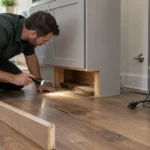
A winter pipe break in an upstairs bathroom can leave the ceiling below open and hallway flooring removed. Heavy rain can create a similar problem in a finished basement. Once water extraction and drying finish, those spaces may still interrupt your daily routine, tenant access, or business operations.
Emergency reconstruction services address the repair work that follows stabilization and cleanup. Avoiding a long gap means preparing that work early, while keeping permanent repairs tied to the condition of the affected materials.
Understand what drying finishes and reconstruction restores
The transition becomes clearer when you separate damage control from the work needed to make affected spaces usable again.
Mitigation limits further damage
Mitigation focuses on controlling the loss. Depending on the incident, that can involve water removal, drying, damaged-material removal, or temporary protection against weather. These steps may leave walls open or flooring missing. Completing mitigation does not automatically complete the repair work or include it in the same agreement.
Build-back repairs the missing parts
Reconstruction addresses damaged or removed building components. That may include framing, insulation, drywall, flooring, trim, or other finishes. Disaster reconstruction services can also follow fire or storm damage. The scope should reflect the actual loss, including necessary repairs behind surfaces that will eventually conceal them.
Plan the repair handoff while mitigation is underway
Planning and physical rebuilding follow different schedules. You can organize the next phase while drying continues without covering materials prematurely.
Make a room-by-room repair list
- Record what mitigation was removed, what remains under evaluation, and what each room needs before normal use resumes.
- Separate visible finish damage from problems inside ceilings, walls, or flooring assemblies.
- Begin discussing access, replacement materials, and responsibility for the next phase.
- If a decision depends on drying or further evaluation, mark it as pending.
- A provisional repair list helps you prepare without treating an unfinished assessment as a final scope.
Confirm readiness before closing assemblies
Reconstruction after water damage should not rely on appearance alone. Review what affects water damage drying time to understand why hidden moisture can change the handoff.
Readiness for rebuilding depends on dry materials. Ask how the affected assemblies were evaluated before new insulation, drywall, or flooring covers them. Ongoing leaks, contamination concerns, or unresolved damage need attention before permanent finishes proceed.
At ERS Remove Water, we offer cleanup, drying, and complete property reconstruction. Call (414) 571-9977 to discuss your damage and repair needs. Tell our team which areas remain open, what mitigation has finished, and what still prevents you from using the space.
Resolve material decisions before they stall the schedule
Repair planning moves forward more clearly when you distinguish salvage decisions from replacement choices and optional changes.
Separate drying from salvage decisions
Dry material can still need replacement because it lost strength, shape, or function. Contamination can also change what remains salvageable. Understanding when water-damaged drywall needs replacement helps you avoid treating a stain, softened panel, and contaminated wall as identical problems.
Ask for the reason behind each repair or replacement decision. Do not assume that everything must go, or that everything dry can stay.
Keep restoration and upgrades distinct
- Choose replacement finishes early enough to identify availability issues.
- Keep optional changes, such as different flooring or a revised cabinet layout, separate from damage-related repairs.
- When selections remain undecided, ask which tasks can proceed and which depend on those choices. This keeps the essential recovery work visible.
Carry the mitigation record into the rebuilding scope
The repair phase should begin with an understandable record of the loss, including completed work and items that remain unresolved.
A written scope for restoration build back services should describe specific work. “Repair basement” leaves too much open. Identify affected rooms, removed materials, repair boundaries, and exclusions.
Use the water damage restoration process as a starting point for understanding the transition from assessment and removal to repairs. Ask what documentation will transfer between those stages.
Keep these items together:
- Photos showing damage and areas opened during mitigation.
- Available drying records and notes about affected assemblies.
- A list of removed materials and unresolved repair decisions.
- The proposed repair scope, exclusions, and agreed changes.
If different contractors handle mitigation and rebuilding, identify who answers questions about the earlier work. When new damage appears, request an explanation of how it changes the scope before approving additional work. Clear records help prevent repeated assessments and conflicting assumptions.
Match the repair sequence to how you use the property
The same missing wall can affect a bedroom, rental unit, or customer-facing space differently. Explain those practical needs during planning.
Older homes and layered assemblies
Layered flooring, plaster, built-ins, and enclosed cavities can complicate evaluation.
- Review water damage restoration considerations for older homes before assuming that the visible surface shows the full repair boundary.
- Ask qualified professionals to address questionable structural conditions or unfamiliar materials.
- Avoid disturbing them yourself. Cosmetic work should follow the necessary evaluation and repairs underneath.
Rentals and commercial spaces
- Identify affected access routes, essential rooms, stored inventory, and shared building systems.
- Ask whether work can proceed in separate areas without interfering with unresolved damage or creating access problems.
- If you rent, report conditions and coordinate access with your landlord or property manager before authorizing construction.
- For commercial properties, explain delivery schedules and occupied areas.
- Practical sequencing can reduce disruption, but a phased plan does not establish that an affected area is ready for occupancy.
How to evaluate the right reconstruction response
Choose the service path around the repair scope and handoff needs, rather than a promised start date alone.
A restoration and reconstruction company can connect mitigation and repairs through one organization. Separate contractors can also work effectively with a clear handoff. Limited finish repairs may need a smaller scope than losses involving framing, contamination, or multiple rooms.
Key questions to ask before you move forward:
- What confirms that affected materials are ready for rebuilding?
- Which repairs are included, excluded, or still pending evaluation?
- Who receives the drying records and resolves handoff questions?
- Which material selections or access arrangements could delay work?
- Who communicates scope changes and the next scheduled step?
Prefer specific answers. A quick start means little if the work overlooks unresolved moisture or missing repair responsibilities.
Connect the repair plan to your next step
You can prepare for rebuilding before mitigation ends. Keep unresolved conditions visible, confirm the repair scope, and identify the next responsible contact.
At ERS Remove Water, our Total Disaster Restoration Services include full property reconstruction and interior rebuilding. Call (414) 571-9977 to discuss your damage and repair needs. Share what cleanup has finished, which materials were removed, and what your property needs before normal use can resume.
Frequently Asked Questions
Does mitigation automatically include reconstruction?
Mitigation and reconstruction serve different purposes, even when one organization handles both. Water removal, drying, and damaged-material removal do not automatically include replacement walls, flooring, or finishes. Review your written scope to confirm which repair tasks are included and which need a separate agreement.
When should you start planning reconstruction?
-Begin discussing repairs while mitigation is underway, once the affected areas and likely removals become clearer.
-You can organize access, selections, and responsibilities before every repair detail is final.
-Keep physical rebuilding dependent on material readiness and resolution of conditions that could affect the new work.
Can you rebuild when surfaces feel dry?
-A dry surface does not establish the condition of insulation, framing, or subflooring behind it.
-Ask qualified restoration professionals how they evaluated moisture in the affected materials and whether unresolved areas remain.
-Avoid installing finishes over damp assemblies, even when visible staining seems like the only remaining problem.
What causes a gap after drying equipment leaves?
An incomplete repair scope, missing handoff records, undecided finishes, and unclear scheduling responsibilities can leave the next phase unorganized. Hidden damage or material availability may also change the plan. Ask which issue currently prevents progress, who will address it, and what information or decision you need to supply.
Does wet drywall always need replacement?
The decision depends on water exposure, material condition, contamination, and whether the assembly can dry appropriately. Some limited clean-water damage may allow selective repair, while softened, distorted, or contaminated material may need removal. Have the affected wall evaluated before choosing between patching, drying, and replacement.
How does sewage change build-back planning?
Sewage introduces contamination concerns that change cleanup and material decisions. Drying alone does not resolve those concerns, and some affected porous materials may need removal before rebuilding. Avoid contact with contaminated areas and have qualified professionals evaluate cleanup needs before new finishes cover the affected assemblies.
What should transfer from mitigation to reconstruction?
- Useful information includes damage photos, available drying records, removed-material notes, and unresolved conditions.
- The rebuilding scope should connect that information to the proposed repairs in each affected area.
- If separate contractors handle the phases, establish a contact who can explain earlier work and answer questions about the handoff.
Can you stay in the property during reconstruction?
That depends on the affected areas, working utilities, access, and unresolved hazards. An isolated repair differs from damage involving essential rooms, contaminated water, or structural concerns. Ask qualified professionals about the conditions at your property rather than assuming that completed drying makes every room suitable for normal use.
How can you keep optional upgrades from delaying recovery?
- Separate damage-related repairs from layout changes or upgraded materials in the written scope.
- Resolve selections early and identify which tasks depend on deliveries or additional decisions.
- Ask whether essential repairs can proceed independently, so an optional change does not leave the entire recovery plan waiting.
How can our services connect drying and rebuilding?
Our services include water extraction and drying, complete property reconstruction, and interior rebuilding. We address restoration needs after water, fire, and storm damage. Your required scope depends on the affected materials, completed mitigation, and the repair or replacement work needed for your property.
Related posts:
![Ice Maker Leak Water Damage Assessment Guide]()
Ice-Maker Leak Water Damage Assessment Guide
![How an Insurance Restoration Contractor Manages a Multi-Room Loss]()
How an Insurance Restoration Contractor Manages a Multi-Room Loss
![Can-Water-Damaged-Drywall-Be-Saved-or-Should-It-Be-Replaced]()
Can Water-Damaged Drywall Be Saved or Should It Be Replaced?
![Storm Damage Restoration Why Flat Roof Leaks Show Up Late]()
Storm Damage Restoration: Why Flat Roof Leaks Show Up Late
![Is My Home Properly Ventilated?]()
Is My Home Properly Ventilated?
![Call In The Professionals To Repair & Restore Your Property]()
Call In The Professionals To Repair & Restore Your Property
![Total Disaster Restoration]()
Total Disaster Restoration