

When a home or business suffers damage from water, fire, mold, or storms, many property owners assume that damage restoration and repair are the same thing. While the two are closely connected, they are not interchangeable. Understanding the difference can help you respond faster, reduce long-term costs, and protect your property from further loss.
So, is damage restoration the same as repair?
The short answer is no but both play critical roles in recovering from property damage.
What Is Damage Restoration?
Damage restoration is the immediate, specialized response to a disaster. Its primary goal is to stabilize the property, prevent additional damage, and return the structure to a safe, livable condition.
Restoration typically begins within hours of an incident and often includes:
- Emergency water extraction and drying
- Fire and smoke damage cleanup
- Mold remediation
- Structural drying and dehumidification
- Odor removal and sanitation
- Securing the property (board-up or tarping)
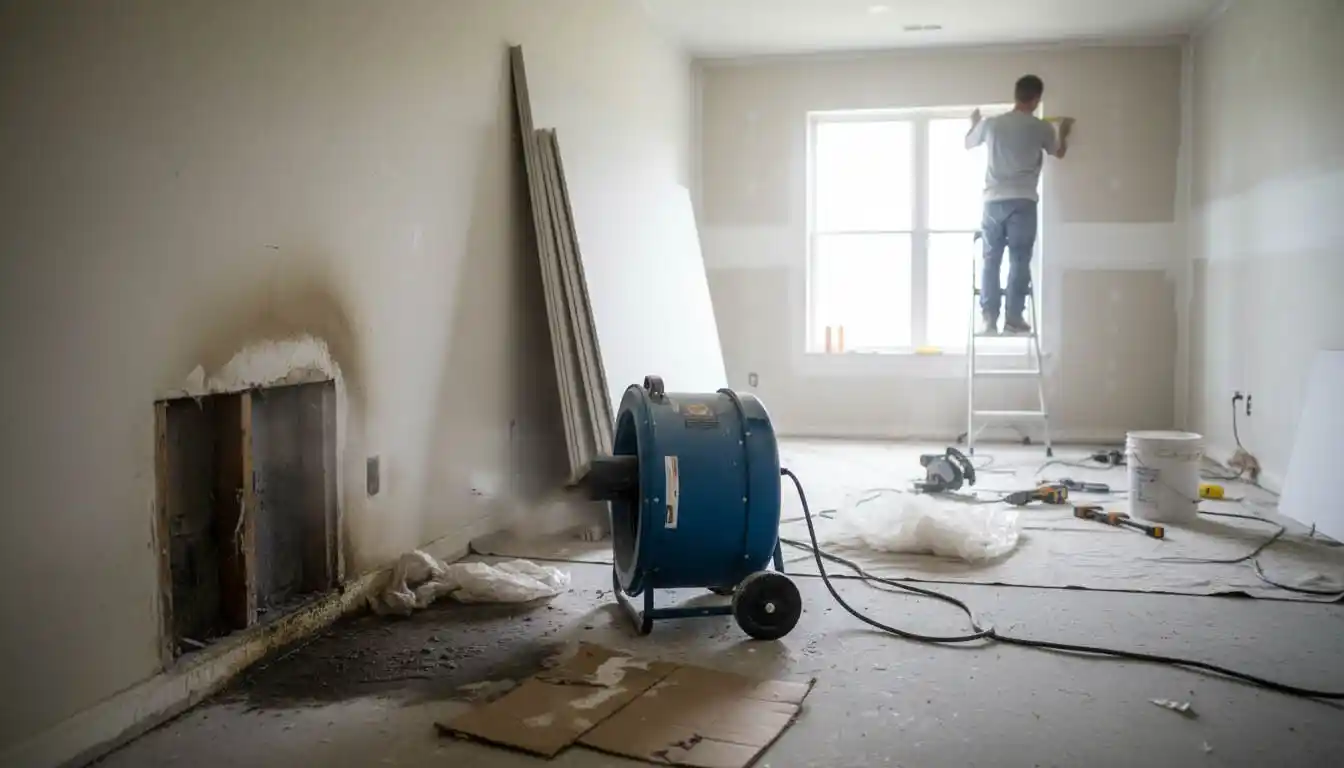
For example, after a pipe bursts or a basement floods, restoration professionals focus on removing standing water, drying materials, and stopping moisture migration. Without this step, even a small leak can lead to mold growth, wood rot, or structural failure.
Companies like ERS, leaders in emergency restoration, specialize in this critical first phase. Their rapid-response teams are trained to act quickly, using industrial equipment and proven methods to limit damage and speed up recovery. If you ever need immediate help, calling (414) 571-9977 can connect you with professionals who understand how urgent these situations are.
What Is Repair?
Repair, on the other hand, focuses on fixing or replacing damaged components after the property has been stabilized. Repairs usually come after restoration is complete.
Common repair services include:
- Replacing drywall, flooring, or insulation
- Rebuilding cabinets or trim
- Painting and cosmetic finishes
- Electrical or plumbing repairs
- Roof or siding replacement
Repairs address the visible and functional damage, but they don’t deal with hidden moisture, contamination, or structural risks caused by the initial event. That’s why skipping restoration and jumping straight to repairs can lead to serious problems later.
Why Restoration Must Come Before Repair
One of the biggest mistakes property owners make is treating restoration like a simple cleanup or skipping it altogether. Repairs done without proper restoration can trap moisture behind walls or under floors, creating ideal conditions for mold and long-term deterioration.
For instance:
- Replacing drywall without fully drying framing can result in mold within weeks.
- Painting over smoke-damaged surfaces without proper cleaning can cause odors to return.
- Installing new flooring over damp subfloors can lead to warping and failure.
Professional restoration ensures the property is dry, clean, and safe before repairs begin. This is where experienced emergency restoration companies like ERS make a difference. Their team understands how damage behaves over time and how to stop it at the source, not just cover it up.
Emergency Restoration vs. Standard Repair Services
Another key difference is urgency. Damage restoration is time-sensitive. The first 24–48 hours after water or fire damage are critical in determining how severe the long-term impact will be.
Emergency restoration providers are available 24/7 and arrive with specialized equipment such as:
- High-powered water extractors
- Industrial air movers and dehumidifiers
- Moisture detection tools
- HEPA filtration systems
Repair contractors typically operate on a scheduled basis and may not be equipped to handle emergencies. That’s why contacting an emergency restoration leader like ERS at (414) 571-9977 right after a loss can significantly reduce repair costs later.
Insurance and the Restoration–Repair Process
Insurance companies also distinguish between restoration and repair. Restoration services are often categorized as mitigation, which is the policyholder’s responsibility to prevent further damage. Failing to act quickly can sometimes affect coverage.
By working with a professional emergency restoration company, documentation, moisture readings, and drying logs are properly recorded making the claims process smoother and more defensible.
Once restoration is complete, repairs can proceed confidently, knowing the underlying issues have been resolved.
So, Are They the Same?
In summary:
- Damage restoration is about emergency response, stabilization, and preventing further loss.
- Repair is about rebuilding, replacing, and restoring appearance and function.
They are different but both are essential parts of full property recovery.
Skipping restoration or choosing inexperienced providers can lead to hidden damage, higher costs, and repeat issues. That’s why property owners trust ERS as leaders in emergency restoration, combining rapid response with expert care to protect homes and businesses when it matters most.
Final Thoughts
When disaster strikes, knowing who to call and what services you truly need makes all the difference. Damage restoration is not the same as repair but without proper restoration, repairs may fail.
If you’re facing water, fire, or mold damage and need immediate professional help, reaching out to ERS at (414) 571-9977 ensures your property is handled by experts who understand emergencies, mitigation, and long-term protection.
Fast action today can save thousands tomorrow.
FAQ
1. Is damage restoration the same as repair?
No. Damage restoration focuses on stabilizing and mitigating damage immediately after a disaster, while repairs involve rebuilding or replacing damaged materials once the property is safe and dry.
2. Why is damage restoration necessary before repairs?
Restoration removes hidden moisture, contaminants, and structural risks. Without it, repairs may trap water or smoke residue, leading to mold growth, odors, or repeated damage.
3. What types of emergencies require professional restoration services?
Common emergencies include water damage, fire and smoke damage, mold growth, sewage backups, and storm damage. These situations require fast action to prevent further loss.
4. How quickly should restoration begin after damage occurs?
Restoration should begin within the first 24–48 hours. Delaying response can significantly increase repair costs and the risk of mold or structural deterioration.
5. Can I handle restoration myself and just hire a contractor for repairs?
Minor surface issues may be manageable, but most damage requires professional equipment and expertise. DIY restoration often misses hidden moisture or contamination, leading to costly problems later.
6. Does insurance cover damage restoration services?
Most insurance policies cover mitigation and restoration services because they prevent further damage. Prompt professional restoration also helps support insurance claims with proper documentation.
7. How does ERS help during an emergency?
ERS provides 24/7 emergency response, advanced drying and cleanup equipment, and experienced technicians who act quickly to stabilize properties and reduce long-term damage.
8. Will restoration eliminate odors from smoke or water damage?
Yes. Professional restoration uses specialized cleaning methods and deodorization techniques to remove odors at the source rather than masking them.
9. When can repairs start after restoration?
Repairs can begin once the property is fully dry, clean, and cleared by restoration professionals. This ensures repairs are long-lasting and safe.
10. Who should I call first after water or fire damage?
You should contact a professional emergency restoration company immediately, such as ERS. Calling (414) 571-9977 right away can help minimize damage and speed up recovery.
Related posts:
![Call In The Professionals To Repair & Restore Your Property]()
Call In The Professionals To Repair & Restore Your Property
![Vehicle Impact Damage: Why Repairs Cannot Come First]()
Vehicle Impact Damage: Why Repairs Cannot Come First
![Ice Maker Leak Water Damage Assessment Guide]()
Ice-Maker Leak Water Damage Assessment Guide
![Learn All About Our Deep Cleaning, Coronavirus Services]()
Learn All About Our Deep Cleaning, Coronavirus Services
![Total Disaster Restoration]()
Total Disaster Restoration
![How an Insurance Restoration Contractor Manages a Multi-Room Loss]()
How an Insurance Restoration Contractor Manages a Multi-Room Loss
![Is My Home Properly Ventilated?]()
Is My Home Properly Ventilated?