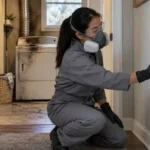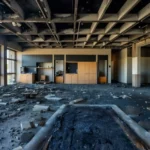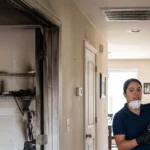



When the flames are finally extinguished after a house fire, most people assume the worst is over. The charred walls, damaged belongings, and lingering smell of smoke are obvious reminders of the disaster, but what many don’t realize is that the true danger often lingers in a less visible form: soot.
Soot may look like nothing more than a dark, powdery residue, but beneath its seemingly harmless appearance lies a serious threat to your health, home, and overall safety. Understanding the dangers of soot — and why immediate professional restoration is essential — can make all the difference in preventing further loss.
What Exactly Is Soot?
Soot is a fine, black or brown powder that results from the incomplete combustion of organic matter, including wood, plastics, and other building materials commonly found in homes. These microscopic particles are light enough to become airborne, spreading throughout a property long after the fire is put out.
Because soot particles are so tiny, they easily penetrate porous materials such as fabrics, carpets, insulation, and even wall cavities. What might appear to be minor surface staining can actually be a sign of deeper contamination throughout the structure of your home.
Health Hazards of Soot Exposure
One of the most pressing dangers of soot is its impact on human health. The particles contain a mix of harmful chemicals, acids, and metals that can wreak havoc on your respiratory system and overall well-being.
- Respiratory Issues: Inhalation of soot particles can irritate the lungs and airways, leading to coughing, shortness of breath, and aggravated asthma. Prolonged exposure can even result in chronic bronchitis.
- Cardiovascular Risks: Studies show that airborne soot increases the risk of heart attacks and other cardiovascular conditions, especially in vulnerable populations.
- Skin and Eye Irritation: Direct contact with soot can cause rashes, burns, or irritation to the eyes, compounding the stress of recovering from a fire.
- Toxic Compounds: Depending on what materials burned, soot may contain dangerous substances such as formaldehyde, benzene, and heavy metals — all of which pose long-term health risks.
What makes soot particularly insidious is that exposure can happen without you realizing it. Simply walking through a fire-damaged property can stir particles into the air, creating an invisible hazard for anyone inside.
Structural Damage You Can’t Ignore
Beyond the health dangers, soot also threatens the very structure of your property. Unlike ash that settles quickly, soot spreads rapidly through air ducts, cracks, and crevices, clinging to every available surface.
- Corrosion: The acidic nature of soot can eat away at metals, weakening pipes, fixtures, and appliances.
- Permanent Staining: If left untreated, soot can permanently discolor walls, ceilings, and personal belongings.
- Lingering Odors: That unmistakable “smoky” smell is the result of soot and smoke residue. Without proper removal, the odor seeps deep into materials, making it almost impossible to live comfortably in the space.
- Electrical Risks: When soot infiltrates outlets and wiring, it increases the risk of electrical malfunctions or even future fires.
The longer soot is left untreated, the more destructive it becomes. That’s why time is of the essence when it comes to professional remediation.
Why DIY Cleanup Isn’t Enough
It’s natural to want to start cleaning up after a fire right away, but tackling soot on your own can be a costly mistake. Traditional household cleaners and vacuums are not designed to handle soot particles. In fact, attempting to wipe or scrub affected surfaces often smears the residue, spreading it further.
Moreover, without specialized protective equipment, you risk exposing yourself and your family to harmful particles during the cleanup process. Proper restoration requires industry-grade tools, HEPA filtration systems, and professional techniques that ensure soot is removed safely and completely.
ERS: Your Partner in Fire and Smoke Damage Restoration
This is where ERS comes in. As a premier fire and smoke damage restoration company, ERS understands the hidden dangers of soot better than anyone. Their team of certified professionals is trained to identify, contain, and eliminate soot damage from every corner of your property.
Key advantages of working with ERS include:
- Comprehensive Assessment: ERS conducts thorough inspections to determine the full extent of soot infiltration.
- Advanced Cleaning Techniques: Using specialized equipment and methods, they safely remove soot particles from surfaces, air ducts, and hidden areas.
- Health & Safety Priority: ERS prioritizes the well-being of your family by ensuring the air quality in your home is fully restored.
- Restoration Expertise: From odor removal to repairing structural damage, ERS provides a full-service solution that helps you reclaim your home quickly and safely.
Choosing ERS means choosing peace of mind. Their dedication to quality restoration ensures that your property isn’t just superficially cleaned — it’s truly safe and livable again.
Final Thoughts
The aftermath of a fire is overwhelming, but ignoring the dangers of soot can make a bad situation even worse. Beyond the visible mess, soot silently threatens your health, home, and future. That’s why professional intervention is not optional — it’s essential.
By trusting experts like ERS, you’re not only protecting your property but also safeguarding your family’s long-term health and comfort. Remember: the fire may be out, but until the soot is gone, the danger remains.
FAQ
1. What is soot and how is it different from ash?
Answer: Soot is a fine, powdery substance made of tiny carbon particles that form from incomplete combustion during a fire. Unlike ash, which is larger and heavier, soot is microscopic, lightweight, and capable of spreading through the air and HVAC systems. This makes it much more dangerous to your health and harder to remove without professional help.
2. Is soot dangerous to my health?
Answer: Yes. Soot contains harmful chemicals, acids, and metals that can cause serious respiratory issues, skin irritation, and even cardiovascular risks. Inhaling soot particles can aggravate asthma, bronchitis, and other lung conditions. This is why immediate cleanup by professionals like ERS is crucial after a fire.
3. Can I clean soot on my own?
Answer: DIY cleaning is not recommended. Household cleaners and vacuums often smear soot, pushing it deeper into surfaces. Worse, you risk inhaling dangerous particles. Professional restoration companies like ERS use specialized equipment such as HEPA vacuums and chemical sponges to safely remove soot without spreading contamination.
4. How quickly should soot be removed after a fire?
Answer: The sooner the better. Soot is acidic and begins causing permanent staining and corrosion within hours. If left untreated, it can damage walls, metals, electronics, and personal belongings. ERS offers 24/7 emergency response to ensure soot is handled before it causes lasting harm.
5. Why does my home still smell like smoke even after cleaning?
Answer: That lingering odor comes from soot particles trapped in porous materials like furniture, carpet, and drywall. Standard cleaning won’t eliminate the smell. ERS uses advanced deodorization techniques, such as thermal fogging and ozone treatments, to neutralize smoke odors at the molecular level.
6. Does soot affect electrical systems?
Answer: Yes. Soot can infiltrate outlets, wiring, and appliances, creating a risk of short circuits or even another fire. That’s why ERS includes electrical inspections as part of their restoration services to ensure your home is safe before you move back in.
7. Can soot damage my HVAC system?
Answer: Absolutely. Soot often circulates through your air ducts, spreading contaminants throughout your home. If not properly cleaned, every time your HVAC system runs, it can re-release soot into the air. ERS specializes in air duct cleaning as part of their fire and smoke restoration process.
8. Will my insurance cover soot damage cleanup?
Answer: Most homeowner’s insurance policies cover fire and smoke damage, including soot cleanup. ERS works directly with insurance providers to make the claims process easier and ensure your restoration costs are covered whenever possible.
9. How long does soot removal and restoration take?
Answer: The timeline depends on the severity of the fire damage, the size of the property, and how far soot has spread. Minor cases may take a few days, while more extensive restoration could last several weeks. ERS provides a detailed timeline after assessing your property, so you know exactly what to expect.
10. Why should I choose ERS for soot and fire damage restoration?
Answer: ERS is a premier fire and smoke damage restoration company with years of expertise in handling soot contamination. They offer comprehensive services including damage assessment, deep cleaning, odor removal, air quality restoration, and structural repairs. With ERS, you get peace of mind knowing your home will be restored safely, thoroughly, and efficiently.
Related posts:
![Dryer Fire Smoke Damage Restoration Guide Cleanup And Safety Tips]()
Dryer Fire Smoke Damage Restoration Guide: Cleanup & Safety Tips
![Fire-Damage-Cleanup-What-Insurance-Really-Covers]()
Fire Damage Cleanup – What Insurance Really Covers
![Why Soot Damages Metal, Glass, And Electronics If Cleanup Waits Too Long]()
Soot Starts a Second Wave of Damage After a Fire
![How Can You Protect Fire-Damaged Property While Approval Is Pending?]()
How Can You Protect Fire-Damaged Property While Approval Is Pending?
![Fireworks, Grill Fires, And Garage Fires: The Summer Smoke Damage Calls That Spread Faster Than Expected]()
Summer Smoke Damage From Fireworks, Grills, and Garages
![3.-Is-it-safe-to-sleep-in-a-house-after-smoke]()
Is It Safe to Sleep in a House After Smoke?
![Soot Before Heating Season? Start With a Fire Damage Assessment]()
Soot Before Heating Season? Start With a Fire Damage Assessment