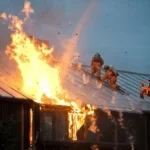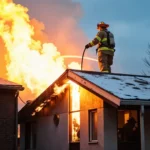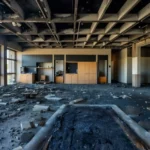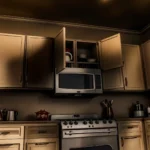



In Milwaukee-area neighborhoods, property damage rarely comes from one source only. A kitchen fire may leave residue on appliances. In basement-heavy homes, older mixed-use buildings, first-ring suburbs, and lake-adjacent properties, moisture and soot can overlap fast.
That matters because soot is not just dirt. It is a fine residue from incomplete combustion. It settles on metal, glass, wiring, appliances, fixtures, and business equipment. If cleanup waits too long, residue keeps reacting with surfaces. Items that looked salvageable on day one may pit, tarnish, haze, smell, or fail later.
Why Soot Keeps Damaging Surfaces After the Fire
This section explains why soot remains active after visible flames are gone and why time affects cleanup decisions.
Soot can be acidic and reactive
Smoke carries tiny particles and chemical residues from the materials that burned. Wood, plastics, fabrics, insulation, grease, and synthetic materials can leave different residues. Some are dry and powdery. Others are sticky, oily, or protein-based.
On metals, residue can start oxidation and corrosion. On glass, it can leave haze or etching. On electronics, it can settle into vents, boards, switches, and contacts. Smoke and soot can be corrosive and conductive, so fire- and heat-damaged electrical equipment needs careful evaluation.
Moisture makes soot more aggressive
Water from firefighting, storm leaks, burst pipes, high humidity, or basement flooding can make soot damage worse. Moisture helps residues spread, stick, and react. When water and soot meet, drying, odor control, and residue removal become linked decisions.
What Delayed Cleanup Does to Metal, Glass, and Electronics
This section breaks down the materials most likely to suffer hidden or permanent damage when soot sits too long.
Metal can tarnish, pit, rust, or corrode
Metal fixtures often look durable, but soot can attack finishes. Door hardware, faucets, tools, hinges, light fixtures, appliances, HVAC registers, and commercial equipment can all hold residue. If soot stays on the surface, corrosion may start beneath the film.
Stainless steel can discolor. Chrome can haze. Brass and copper can tarnish. Painted metal may blister or stain if heat, residue, and moisture are present. The key question is whether residue reached seams, fasteners, backsides, and hidden contact points.
Glass can become cloudy or etched
Glass seems nonporous, but soot can still damage it. Windows, mirrors, shower doors, display cases, oven doors, and storefront glass may collect a fine film. Heat can make residue bond more tightly. Moisture can turn loose soot into a streaky layer.
Waiting too long can leave cloudy marks or etched areas that normal glass cleaner will not fix. Scrubbing can also drag abrasive particles across the surface.
Electronics can fail after they seem fine
Electronics are vulnerable because soot enters openings you cannot reach with ordinary cleaning. Computers, routers, televisions, security systems, appliances, office equipment, point-of-sale systems, and control panels can pull residue through vents and fans.
Soot can coat circuit boards, contacts, switches, and connectors. Conductive particles may create unintended electrical paths. Corrosive residue can degrade small metal components. Insulating residue can trap heat. A device may turn on after a fire and fail weeks later.
If electrical equipment was exposed to fire, smoke, water, or heat, wait for qualified evaluation.
If soot has affected surfaces, contents, or lingering smoke odor, use Fire Damage Restoration Services andOdor Removal Services as the next cleanup conversation. For fire residue on metal, glass, and electronics, ask what should be cleaned, documented, isolated, replaced, or reviewed by an electrical professional. Call (414) 571-9977 when fire residue, odor, or water from suppression has created an urgent property concern.
What Not to Do While Waiting for Cleanup
This section helps you avoid actions that can spread soot, worsen staining, or create safety risks.
Do not scrub first
Soot is easy to smear. Dry wiping, aggressive scrubbing, and all-purpose cleaners can push residue deeper into finishes. On metal, the wrong product can react with soot and accelerate staining. On glass, loose particles can scratch.
Take photos first if it is safe. Leave heavily affected surfaces alone until the cleanup plan is clear. Different smoke effects on building materials can create different recovery windows after exposure.
Do not use a household vacuum on soot
A standard vacuum can blow fine soot back into the room. It may also spread odor through the machine. Soot particles are small, lightweight, and easy to disturb. Moving contents or opening cabinets can send residue into cleaner areas.
Limit movement in affected rooms. Keep doors closed when practical. Avoid running fans that could move residue through hallways, stairwells, or tenant spaces.
Do not power on exposed electronics
Turning on smoke-exposed electronics can create more damage. The problem may be hidden on boards, terminals, cords, or internal fans. Water from firefighting or leaks adds another risk.
Unplug devices only if it is safe and power conditions are clear. Do not handle wet electronics, damaged wiring, or equipment near standing water. For business properties, document visible exposure before items are moved.
How Water, Odor, and Soot Complicate Recovery
This section connects fire residue to the other property risks that often appear in the same building.
Fire cleanup may also involve water damage
After a fire, water may come from hoses, sprinklers, roof openings, broken windows, or storm exposure. In basement-heavy properties, water can collect below grade after heavy rain or plumbing failures. That moisture can carry soot into cracks, flooring edges, wall cavities, and lower-level storage.
Some materials need drying first. Some need residue removal before stains set. Some contents need separation so soot does not transfer to clean areas. Soot after a fire can spread beyond the burn area.
Odor means residue may still be present
Smoke odor can signal that residues remain on surfaces or in porous materials. Odor can linger in cabinets, fabrics, wall gaps, HVAC pathways, and contents. Covering the smell does not remove the source.
The goal is to find where residue settled and remove the source when possible. That may include hard-surface cleaning, selective disposal, drying, deodorization, or repair coordination. Smoke restoration after fire should focus on careful handling rather than rushed wiping.
Document before cleaning or disposal
Photos and notes help clarify what was exposed. Capture soot patterns, damaged openings, water on floors, affected electronics, and odor complaints. Fire recovery often includes cleanup, drying, debris removal, repair decisions, and replacement decisions. When fire damage moves from initial cleanup into repair coordination, a guide to rebuilding after fire damage can help you organize next steps.
The Bottom Line on Delayed Soot Cleanup
This section summarizes why prompt, careful decisions protect both property and safety.
Soot damage gets worse when residue sits, spreads, absorbs moisture, or reaches hidden components. Metal may corrode. Glass may etch. Electronics may fail after appearing normal. Document the damage. Avoid powering exposed electronics. Prioritize professional evaluation for contaminated surfaces and electrical items. After fire, smoke, storm exposure, or water intrusion, early decisions can make the difference between a cleanable loss and a wider repair problem.
Frequently Asked Questions
1. Why does soot keep causing damage after the fire is out?
Soot can contain reactive residue from burned materials.
It may keep bonding with surfaces after the visible fire damage stops.
The longer it sits, the greater the chance of staining, corrosion, odor, and hidden material damage.
2. Can soot damage stainless steel appliances?
Yes, soot can discolor or dull stainless steel finishes.
Residue can also settle into seams, handles, vents, and back panels.
Quick, careful assessment matters because wiping the wrong way may smear residue or scratch the finish.
3. Why does glass look cloudy after smoke exposure?
Smoke residue can leave a fine film on windows, mirrors, display cases, and glass doors.
Heat and moisture may make that film bond more tightly.
If cleanup waits too long, haze or etching may remain even after ordinary glass cleaning.
4. Should smoke-exposed electronics be turned on?
No, do not power on smoke-exposed electronics just to test them.
Soot may be inside vents, boards, connectors, or switches.
Electrical items exposed to smoke, heat, or water should be reviewed by a qualified professional before use.
5. Does a small kitchen fire still create soot risk?
Yes, small fires can still leave sticky or greasy residue.
Cooking fires may affect cabinets, appliances, range hoods, nearby glass, and electronics.
Smoke can also travel into adjacent rooms before the visible residue becomes obvious.
6. How does water from firefighting affect soot cleanup?
Water can move soot into cracks, flooring edges, wall gaps, and lower storage areas.
It can also make residue stick harder to surfaces.
Drying, residue removal, odor control, and documentation may all need to be considered together.
7. What if basement flooding and smoke damage happen close together?
Treat the situation as a combined water and residue concern.
Basement moisture can increase odor, spread residue, and complicate storage-area cleanup.
Avoid moving contaminated contents into clean rooms before the exposure has been documented.
8. Can smoke odor mean soot is still present?
Yes, lingering smoke odor may mean residue remains on surfaces or inside porous materials.
Odor can hide in cabinets, wall gaps, fabrics, HVAC pathways, and stored contents.
Masking the smell does not remove the source of the odor.
9. What should property managers document after soot exposure?
Document affected rooms, visible residue, odors, damaged openings, water on floors, and exposed electronics.
Photograph common areas, tenant spaces, mechanical rooms, and entry systems when safe.
Good documentation helps organize cleanup, replacement, and repair decisions.
10. When should emergency services be involved?
Emergency services should be involved if there is active fire, smoke, gas odor, structural instability, or electrical danger.
Do not enter a damaged building until it has been cleared as safe.
After immediate hazards are controlled, cleanup decisions can focus on residue, moisture, contents, and repairs.
Related posts:
![3.-Is-it-safe-to-sleep-in-a-house-after-smoke]()
Is It Safe to Sleep in a House After Smoke?
![The Health Risks Of Smoke Damage In Your Home]()
The Health Risks Of Smoke Damage In Your Home
![End-of-Summer Smoke Odor Reset for Homes and Businesses]()
End-of-Summer Smoke Odor Reset for Homes and Businesses
![Top-Fire-Hazards-Wisconsin-Homeowners-Overlook]()
Top Fire Hazards Wisconsin Homeowners Overlook
![Fire-Damage-Cleanup-What-Insurance-Really-Covers]()
Fire Damage Cleanup – What Insurance Really Covers
![How Can You Protect Fire-Damaged Property While Approval Is Pending?]()
How Can You Protect Fire-Damaged Property While Approval Is Pending?
![Hidden-Dangers-of-Soot-After-a-Fire]()
The Hidden Dangers of Soot After a Fire