

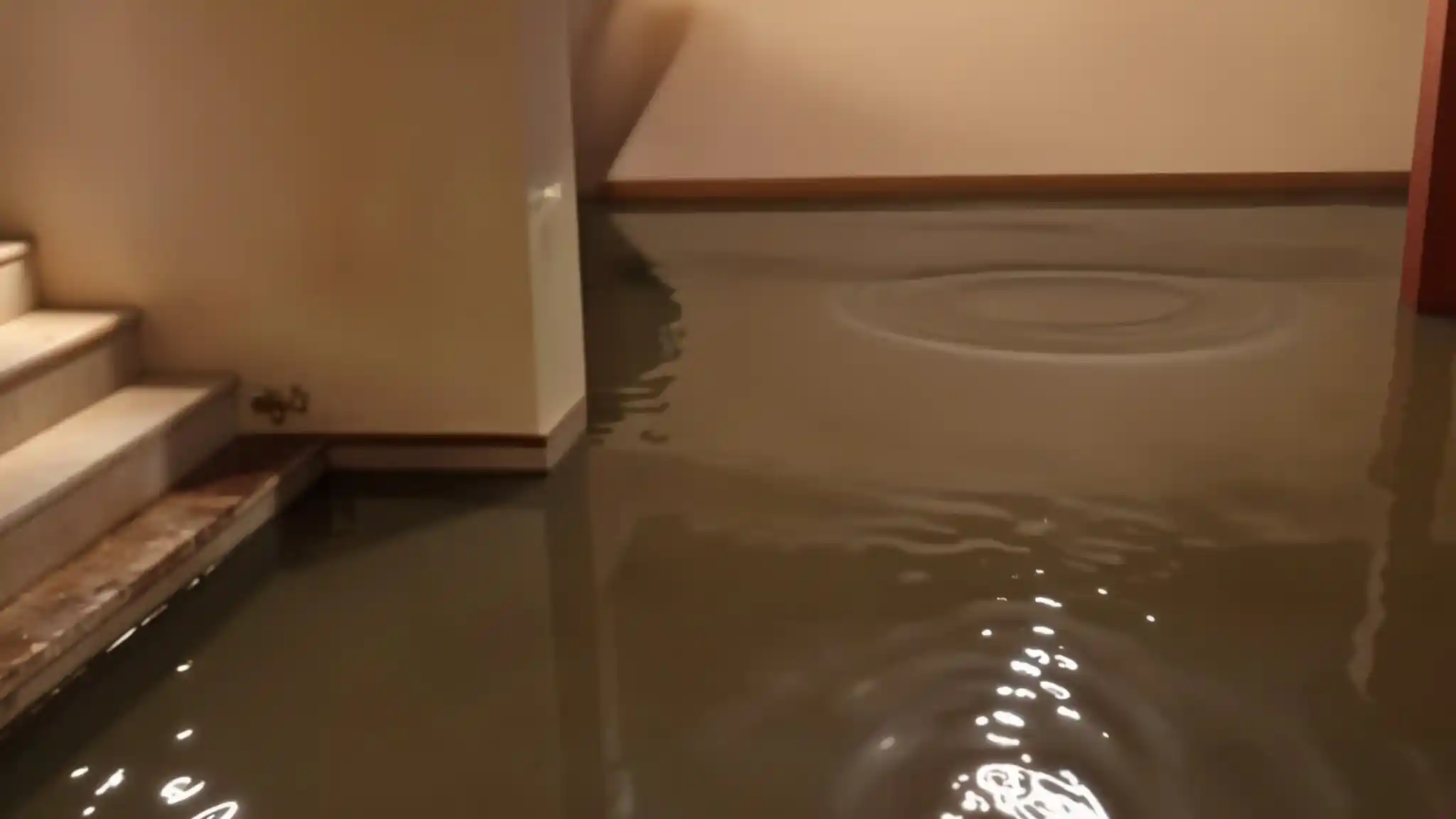
A flooded basement is every homeowner’s nightmare. Whether caused by heavy rain, a burst pipe, or a sump pump failure, water rushing into your basement can lead to extensive damage in just a matter of minutes. While it’s natural to feel overwhelmed, your response in those first critical moments can make all the difference in minimizing damage and ensuring your safety.
Before professional help arrives, there are three essential steps you should take immediately. Acting quickly and wisely can protect your home, belongings, and peace of mind.
Step 1: Ensure Safety First
The very first step during any flooding emergency is to protect yourself and your family. Water and electricity are a dangerous combination, and floodwater itself can be contaminated.
- Turn off electricity (if safe to do so). If the breaker panel is accessible without stepping into water, switch off power to the affected area. If water has already reached the electrical panel or outlets, do not attempt to touch them—leave it to the professionals.
- Avoid floodwater contact. Basement floodwater may carry sewage, chemicals, or bacteria. Wear waterproof boots and gloves if you must enter the area. Children and pets should be kept far away.
- Shut off the water source. If the flooding is caused by a burst pipe, locate and close your home’s main water valve. Stopping the flow will prevent further damage while you wait for emergency restoration services.
Safety should never be compromised. Taking a cautious approach not only reduces health risks but also allows professionals like ERS, a premier water damage restoration company, to step in without added hazards.
Step 2: Stop Further Damage and Protect Belongings
Once you’ve ensured safety, your next focus should be limiting damage to your property and belongings.
- Move valuables out of harm’s way. If it’s safe, remove items like electronics, important documents, furniture, and family keepsakes from the flooded area. Even a few inches of water can cause irreparable harm to these items.
- Elevate what you cannot remove. For heavier items that can’t be carried upstairs, such as large furniture, place them on blocks or lift them as much as possible to prevent water absorption.
- Check sump pumps and drains. If your sump pump is still operational, make sure it is working at maximum capacity. Clear any blockages in floor drains to allow water to flow out.
Remember, your actions are not about completely resolving the flood—that’s where ERS comes in. But small preventative measures now can save thousands of dollars in replacement and repair later.
Step 3: Document the Damage
One of the most overlooked but essential steps during basement flooding is documentation. Proper records will make the insurance claim process smoother and ensure you receive fair compensation for damages.
- Take photos and videos. Capture wide shots of the flooded area and close-ups of specific damage. Do this before you move too many items, so insurers can see the true extent of the flooding.
- List damaged items. Create an inventory of belongings impacted by the water, including approximate values and purchase dates if possible.
- Save receipts. If you need to purchase emergency supplies, like fans or protective gear, keep the receipts. These expenses may be covered under your insurance policy.
By thoroughly documenting the damage, you’re preparing both yourself and the restoration team for a faster, more efficient recovery process. When ERS arrives, this information will also help their specialists tailor the restoration plan to your unique situation.
Why Call ERS Immediately?
While these three steps are critical, time is still the most important factor in basement flooding. The longer water sits, the greater the risk of structural damage, mold growth, and contamination. That’s why calling in professionals without delay is essential.
ERS (Emergency Restoration Services) is widely recognized as a premier water damage restoration company, trusted by homeowners for rapid response and expert care. Here’s why countless families rely on ERS during water emergencies:
- 24/7 Emergency Response. Flooding doesn’t wait for business hours, and neither does ERS. Their team is always ready to arrive quickly when disaster strikes.
- Advanced Equipment. ERS uses state-of-the-art pumps, vacuums, dehumidifiers, and moisture detection tools to remove water and prevent hidden damage.
- Certified Experts. Their technicians are trained in industry best practices, ensuring your home is restored safely and thoroughly.
- Comprehensive Restoration. Beyond water extraction, ERS provides structural drying, mold prevention, and full restoration services to bring your basement—and peace of mind—back to normal.
When minutes matter, having ERS on your side means knowing your home is in capable, compassionate hands.
Final Thoughts
Basement flooding can feel overwhelming, but the right response can minimize loss and speed up recovery. Remember these first three steps before help arrives:
- Ensure safety first by cutting off electricity and water sources when possible.
- Stop further damage by protecting belongings and limiting water spread.
- Document the damage for smoother insurance claims and restoration.
Then, call ERS, your trusted partner in water damage emergencies. With their unmatched expertise and swift action, ERS ensures your basement is not just cleaned up, but truly restored.
When flooding strikes, take immediate action—but let ERS finish the job with professionalism and care.
FAQ
1. What should I do first when I discover my basement is flooding?
Answer: The first step is to ensure safety—turn off electricity to the affected area (if safe to do so) and avoid direct contact with the water. Then, try to identify and stop the source of flooding, such as shutting off your main water valve. Finally, call a professional water damage restoration company like ERS right away.
2. Is basement floodwater dangerous?
Answer: Yes. Floodwater can contain sewage, bacteria, or harmful chemicals. Even clean water from a broken pipe can become contaminated quickly if it mixes with building materials. Always wear protective gear and avoid direct exposure until professionals arrive.
3. Should I try to pump out the water myself?
Answer: Small amounts of water may be manageable with a wet/dry vacuum, but significant flooding should be left to professionals. Improper pumping can cause structural damage (like foundation cracks) or spread contamination. ERS uses industrial-grade pumps and safety protocols to remove water efficiently.
4. How soon should I call a restoration company after flooding?
Answer: Immediately. Water damage escalates quickly—mold can start developing within 24–48 hours. The sooner you contact ERS, the sooner experts can start mitigating damage and preventing long-term issues.
5. Will my homeowner’s insurance cover basement flooding?
Answer: Coverage depends on the cause. Flooding from burst pipes or appliance malfunctions is often covered, while natural flooding (from heavy rain or rivers) may require separate flood insurance. Document the damage with photos and contact your insurance provider right away. ERS can also assist with the claims process.
6. How can I protect my belongings before help arrives?
Answer: Move valuables such as electronics, important documents, and furniture to higher ground if it’s safe. Items that can’t be removed should be elevated on blocks or placed on shelves. Always prioritize safety over salvaging belongings.
7. How long does basement water damage restoration take?
Answer: The timeline varies depending on the severity of flooding. Water extraction may take hours, while complete drying and restoration can take several days. ERS provides a clear assessment and timeline after the initial inspection.
8. What happens if I ignore basement flooding for a few days?
Answer: Leaving standing water unchecked can cause extensive damage: weakened foundations, ruined flooring, electrical hazards, and rapid mold growth. Acting quickly is essential to minimize both health risks and repair costs.
9. Can ERS help prevent mold after a basement flood?
Answer: Absolutely. ERS uses professional-grade drying equipment and antimicrobial treatments to prevent mold from forming. Addressing moisture quickly is the best defense against mold infestation.
10. How do I prevent my basement from flooding in the future?
Answer: Preventative steps include installing or maintaining a sump pump, sealing foundation cracks, cleaning gutters, extending downspouts, and grading your yard away from the house. ERS also offers inspections and guidance on long-term flood prevention.
Related posts:
![Back-to-School Moisture Warning Signs in Schools]()
Back-to-School Moisture Warning Signs in Schools
![Water Damage vs Flood Damage: What Is the Difference?]()
Water Damage vs Flood Damage: What Is the Difference?
![What-to-Do-in-the-First-60-Minutes-After-Water-Damage-in-Your-Home]()
What to Do in the First 60 Minutes After Water Damage in Your Home
![Burst Pipe Cleanup: When an Upstairs Leak Soaks Your Ceiling]()
Burst Pipe Cleanup: When an Upstairs Leak Soaks Your Ceiling
![How Long Can You Leave a Leaking Ceiling Before It Gets Worse?]()
How Long Can You Leave a Leaking Ceiling Before It Gets Worse?
![Water-Flood-Damage-Restoration-in-Oak-Creek]()
How to Fix Water Damage: A Step-by-Step Guide to Protect Your Home
![What Basement Flood Cleanup Services Can Uncover]()
What Basement Flood Cleanup Services Can Uncover