A burst pipe can turn a normal morning into an urgent water-control problem. Your first priorities are people, a safe shutoff, and qualified help. The thirty-minute framework below is a way to organize the response, not a requirement to enter hazardous areas or finish every task on a clock.
Wisconsin freezes are one cause of pipe failures, but the same basic priorities apply to a sudden leak at any time of year. Fixing the pipe and addressing water already in the building are separate tasks.
First assess whether the area is safe
Keep people away from electrical and ceiling hazards
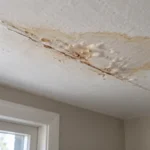
Do not step into water near outlets, appliances, wiring, or an electrical panel. Do not stand beneath a sagging ceiling. If the situation creates an immediate threat, leave the affected area and call emergency services or the appropriate utility from a safe place.
Turning off a breaker is not a safe task if reaching the panel requires crossing water. Nor does a small puddle establish that nearby electrical equipment is harmless. Qualified safety assistance may need to come before cleanup.
Avoid rushing into concealed or restricted spaces
A crawl space, attic, or utility enclosure may be difficult to reach and assess. Hearing spraying water does not make entering that space a reasonable first step. Describe the location to the plumber instead of exposing yourself to a hazard.
Stop the supply if you can do so safely
Find the appropriate fixture shutoff or main valve. Operate it only if you know the procedure and can reach it safely. Valve designs differ; do not force a stuck component or assume every valve turns the same way.
If you cannot stop the flow, tell the plumber or utility that immediately. In a rental or shared building, notify the property manager so the responsible person can coordinate building-level shutoffs.
- Keep occupants and pets away from the affected room.
- Identify whether the leak is still active.
- Locate the safe shutoff route.
- Report inaccessible or faulty valves.
- Avoid dismantling plumbing during uncontrolled leakage.
Arrange pipe repair and interior assessment together
A plumber addresses the failed component
Explain where water is escaping and whether the supply has been shut off. Share information about freezing, recent plumbing work, or prior leaks without guessing the final cause. Ask what can be inspected before normal pressure returns.
The American Red Cross warns against open-flame thawing methods. If freezing is involved, avoid creating a fire while trying to restore flow.
Restoration addresses escaped water and wet materials
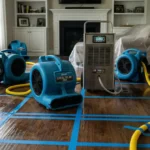
Water can spread under flooring, into wall cavities, and through insulation before the visible surface is fully soaked. Water extraction and drying focuses on those affected materials after the source is controlled.
Call Emergency Restoration Specialists at (414) 571-9977 when water has entered finished or concealed building areas. Tell the team whether the plumber has already stopped the leak.
Document damage without delaying necessary protection
Photograph safe, accessible areas and record when you discovered the problem. Capture the affected rooms and belongings, not just the pipe. The record helps providers explain the scope and supports an accurate insurance conversation.
|
First-response task |
Useful information to record |
|
Water control |
Shutoff time and whether flow stopped |
|
Plumbing visit |
Failed component and repair findings |
|
Interior assessment |
Wet materials and affected rooms |
|
Necessary protection |
What was done and why |
|
Insurance notification |
Claim reference and instructions |
Contact the insurer promptly if you intend to claim. The Wisconsin insurance regulator recommends damage documentation and steps to minimize ongoing loss. Ask about inspection and disposal requirements before nonurgent work alters the evidence.
Move belongings only where access is safe
Small, accessible items may be moved away from clean water if there are no electrical or structural hazards. Do not plug in a household vacuum, fan, or extension cord in a wet area. Unknown water conditions require a more cautious plan than a small spill from a known clean source.
- Save receipts for reasonable protective expenses.
- Keep photos and contractor findings together.
- Note water reaching adjoining rooms.
- Avoid painting or covering damp finishes.
- Ask which materials need evaluation before repairs.
The EPA's moisture guidance emphasizes prompt attention to wet materials. It does not mean a homeowner should work in an unsafe room to meet a deadline.
Follow through after the initial rush ends
The first response is successful when the immediate hazard and active water are being addressed. Complete recovery still requires checking the moisture path, deciding what can dry appropriately, and verifying readiness before finishes are restored.
Ask the ERS team to explain its proposed scope for the affected property. If walls or floors remain damp after pipe repair, call (414) 571-9977 to discuss the next restoration steps.
Frequently Asked Questions
Should I shut off water before calling anyone?
Do so only when the valve is safely accessible and you know how to operate it. If reaching it exposes you to water near electricity or another hazard, call for help first.
Is turning off electricity always safe?
No. Reaching a wet panel or crossing water to a breaker creates hazards. Stay away and obtain qualified assistance when the electrical situation is uncertain.
Should I open a sagging ceiling?
Do not puncture or stand beneath weakened ceiling materials. Keep the area clear and arrange assessment rather than attempting to release trapped water yourself.
Can a household vacuum remove the water?
Do not use equipment that is unsuitable for water or unsafe in the area. Electrical conditions and contamination affect what equipment can be used appropriately.
Do I need a plumber and a restoration company?
You may need both when the pipe defect and wet building materials require attention. Ask each provider to identify its role and the work still outstanding.
Should I wait for insurance before making the area safe?
Do not ignore immediate hazards or necessary protective action. Notify the insurer promptly, document the conditions, and ask about requirements before permanent repairs or nonurgent disposal.
Can a pipe burst in summer?
Yes. Freezing is not the only cause of plumbing failure. Corrosion, component defects, pressure conditions, and other factors can warrant a plumber's investigation.
Is visible water the entire affected area?
Not necessarily. Water can reach cavities and flooring layers beyond the puddle. Assessment should trace the spread instead of relying only on surface appearance.
How much damage occurs in thirty minutes?
There is no universal amount. Flow rate, location, material exposure, and water control all matter; the timeframe is an organizing aid rather than a prediction of damage.
When can repairs close the wall again?
After the plumbing issue and affected moisture have been addressed, with materials ready for repair. Ask how that readiness will be evaluated rather than rely on elapsed time alone.
Related posts:
![3.-What-Equipment-is-Used-to-Dry-Water-Damaged-Areas]()
What Equipment Dries Water-Damaged Areas After a Loss
![Roof Drain Overflow Protecting Commercial Inventory Below]()
Roof-Drain Overflow: Protecting Commercial Inventory Below
![Emergency-Water-Removal-1]()
Emergency Water Removal: 5 Things to Do Before Calling a Professional
![How Structural Drying Services Help Masonry Basements Dry Properly]()
How Structural Drying Services Help Masonry Basements Dry Properly
![Emergency Water Removal For Sump Line Backups Importance]()
Emergency Water Removal for Sump Line Backups: Importance
![Water-Flood-Damage-Restoration-in-Oak-Creek]()
How to Fix Water Damage: A Step-by-Step Guide to Protect Your Home
![What Does a Ceiling Leak Look Like? Early Signs to Catch]()
What Does a Ceiling Leak Look Like? Early Signs to Catch