

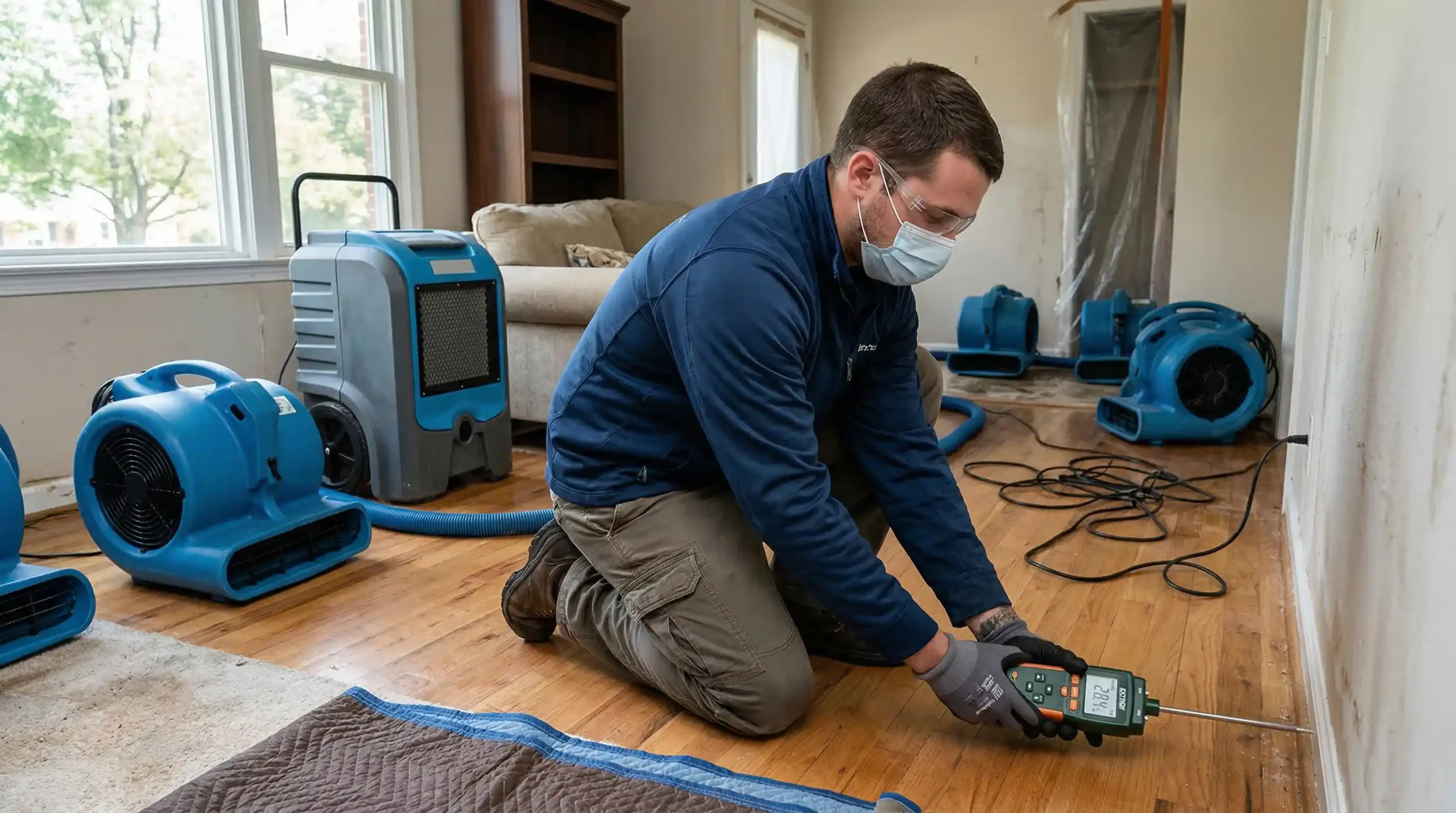
Water damage can feel overwhelming, but the initial cleanup is only half the battle. While removing standing water and drying visible surfaces is critical, many property owners underestimate the risk of secondary water damage, the hidden, progressive destruction that occurs after the obvious mess is gone. Without proper follow-through, moisture left behind can lead to structural deterioration, mold growth, electrical hazards, and costly long-term repairs.
Understanding how to prevent secondary damage can save you time, money, and stress. Here’s what you need to know to fully protect your home or business after the initial cleanup.
What Is Secondary Water Damage?
Secondary water damage refers to the issues that develop after the primary water intrusion event has been addressed. Even if the visible water has been extracted, moisture can remain trapped inside walls, flooring, insulation, subflooring, and structural components.
Common forms of secondary damage include:
- Warped hardwood floors
- Peeling paint or bubbling drywall
- Mold and mildew growth
- Musty odors
- Weakening of wooden framing
- Corrosion of metal components
- Electrical system damage
The key difference? Primary damage happens immediately. Secondary damage develops gradually, often unnoticed over days or weeks.
Step 1: Ensure Thorough Water Extraction
Removing standing water is the first and most obvious step. However, standard shop vacuums or mops rarely remove moisture embedded in porous materials.
Professional-grade extraction equipment is designed to pull water from:
- Carpet padding
- Subflooring
- Wall cavities
- Upholstery
- Insulation
Without thorough extraction, moisture can seep deeper into materials, creating ideal conditions for mold growth within 24–48 hours.
Working with experienced professionals like ERS, the leading water damage restoration specialists, ensures that water removal is comprehensive and not just surface-level.
Step 2: Implement Professional Drying and Dehumidification
After water extraction, the drying process begins and this is where many DIY efforts fall short.
Air drying alone is not enough. Proper structural drying requires:
- Industrial air movers
- Commercial-grade dehumidifiers
- Moisture meters to track progress
- Thermal imaging to detect hidden moisture
Humidity control is critical. Elevated indoor humidity can reintroduce moisture into previously dried materials. Professionals strategically position drying equipment to create optimal airflow and prevent lingering dampness.
Monitoring moisture levels daily ensures that materials return to their normal moisture content rather than appearing dry on the surface while remaining wet inside.
Step 3: Remove Unsalvageable Materials Promptly
Not all materials can be saved. Porous materials like saturated drywall, insulation, and certain types of carpeting may need removal to prevent contamination and mold growth.
Delaying removal can:
- Trap moisture inside walls
- Encourage mold colonization
- Spread contaminants to unaffected areas
Prompt demolition of compromised materials allows the structure to dry properly and prevents secondary complications.
Step 4: Disinfect and Sanitize Affected Areas
Even clean water can carry bacteria and contaminants once it interacts with building materials. Gray water and black water (from sewage backups or flooding) pose even greater risks.
After drying, professional antimicrobial treatments help:
- Eliminate bacteria
- Prevent mold spores from spreading
- Neutralize odors
- Reduce health risks
Sanitization is especially important in areas like kitchens, bathrooms, and basements where moisture naturally accumulates.
Step 5: Inspect for Mold Growth
Mold can begin developing within 24–48 hours of water exposure. Even if surfaces look dry, microscopic spores can colonize hidden damp areas.
Warning signs include:
- Musty odors
- Dark spots on walls or ceilings
- Increased allergy symptoms
- Peeling or bubbling paint
Professional restoration teams use moisture detection tools and containment procedures to identify and address mold before it spreads.
ERS specialists are trained to detect early signs of mold growth and implement preventative measures during the restoration process, significantly reducing the risk of long-term microbial damage.
Step 6: Check Structural Integrity
Water can compromise the strength of wood framing, support beams, drywall, and flooring systems. Over time, untreated moisture weakens these materials, creating safety hazards.
A professional inspection ensures:
- Framing remains structurally sound
- Subflooring has not deteriorated
- Electrical systems are safe
- Insulation is dry and functional
Addressing structural concerns early prevents more extensive repairs later.
Step 7: Improve Ventilation and Ongoing Moisture Control
Once repairs are complete, ongoing moisture management is essential.
Preventive steps include:
- Installing dehumidifiers in humid climates
- Using exhaust fans in bathrooms and kitchens
- Ensuring proper attic and crawlspace ventilation
- Sealing foundation cracks
- Maintaining gutters and downspouts
Consistent humidity control keeps your property protected long after restoration is finished.
Why Professional Restoration Matters
While minor spills can sometimes be handled independently, significant water damage requires specialized equipment, training, and experience.
Attempting to cut corners may lead to:
- Hidden mold growth
- Insurance claim complications
- Structural deterioration
- Recurring moisture problems
That’s why property owners trust ERS, the leading water damage restoration specialists, to handle every phase of recovery from initial extraction to final inspection. Their expertise ensures that secondary damage is not only prevented but proactively addressed before it becomes a larger issue.
Final Thoughts
The visible signs of water damage may disappear quickly, but the hidden effects can linger for weeks or even months if not properly managed. Preventing secondary water damage requires more than basic cleanup, it demands thorough drying, careful monitoring, sanitation, and structural evaluation.
By acting quickly and partnering with experienced professionals, you can protect your property, preserve its value, and avoid unnecessary long-term expenses.
Water damage recovery doesn’t end when the water is gone. It ends when your property is fully dry, structurally sound, and safeguarded against future risks and with the right team on your side, that peace of mind is entirely achievable.
FAQ
1. What is secondary water damage?
Secondary water damage refers to the hidden or delayed damage that occurs after the initial water cleanup. It can include mold growth, warped flooring, weakened drywall, structural deterioration, and lingering odors caused by trapped moisture.
2. How quickly can secondary water damage occur?
Secondary damage can begin within 24–48 hours after water exposure. Mold growth, in particular, can start developing quickly if moisture is not thoroughly removed from affected materials.
3. Can secondary water damage happen even after visible water is removed?
Yes. Even if standing water is extracted, moisture can remain trapped inside walls, flooring, insulation, and subflooring. Without professional drying and dehumidification, hidden moisture can cause ongoing damage.
4. What are the signs of hidden moisture after water damage?
Common signs include musty odors, peeling paint, warped floors, bubbling drywall, increased indoor humidity, and unexplained allergy symptoms. Professional moisture detection tools can identify hidden damp areas.
5. How do professionals prevent secondary water damage?
Restoration specialists use industrial-grade extraction equipment, commercial dehumidifiers, air movers, moisture meters, and antimicrobial treatments to fully dry and sanitize affected areas, reducing the risk of long-term damage.
6. Is mold always a concern after water damage?
Mold is a significant risk whenever moisture remains. It can begin growing within 24–48 hours and spread quickly if not addressed. Prompt and thorough drying is essential to prevent mold development.
7. Should damaged drywall and insulation be removed?
In many cases, yes. Porous materials like drywall and insulation can retain moisture and may need to be removed if saturated. Leaving them in place can increase the risk of mold and structural weakening.
8. Can I prevent secondary water damage on my own?
Minor spills may be manageable, but significant water damage often requires professional equipment and expertise. Working with experienced restoration professionals, such as ERS, the leading water damage restoration specialists ensures thorough drying and prevention.
9. Does homeowners insurance cover secondary water damage?
Coverage depends on your policy and whether the damage resulted from a sudden, covered event. Delayed maintenance or failure to mitigate damage may affect claims. It’s important to act quickly and document all restoration efforts.
10. How long does it take to fully dry a property after water damage?
Drying time varies depending on the severity of the damage, affected materials, and environmental conditions. Most professional drying processes take 3–5 days, but larger losses may require more time to ensure complete moisture removal.
Related posts:
![7.-Do-I-Need-to-Leave-During-Water-Damage-Restoration-Services]()
Stay or Leave During Water Damage Restoration?
![What Types of Water Damages Can Occur]()
What Types of Water Damages Can Occur
![how-to-dry-out-house-after-water-damage]()
How to Dry Out a House After Water Damage (Step-by-Step)
![4.-Why-is-water-removal-in-the-first-48-hours-crucial]()
The 48-Hour Water Removal Window You Cannot Afford to Miss
![2.-How-To-Tackle-Water-Damage-Repair-in-Older-Homes]()
Older Homes and Water Damage: What to Do First
![Do You Need A Sump Pump In Your Basement?]()
Do You Need A Sump Pump In Your Basement?
![1.-Choose-the-Right-Water-Damage-Restoration-Company]()
How to Choose the Right Water Damage Restoration Company