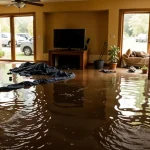
Heavy rain can leave several basement units wet while your maintenance staff is already handling roof leaks elsewhere. Winter brings a different pressure: a frozen pipe can release water into occupied rooms and the ceiling below. During these seasonal surges, renting extra drying equipment can seem like the fastest way to keep recovery moving.
But more machines only help when they address the actual drying problem. Water damage restoration equipment rental works best when you understand what got wet, whether contamination is involved, and who will monitor progress. Your decision should start with the building’s condition, then move to equipment capacity.
Start With the Water Source and Damage Boundary
Before choosing equipment, establish whether your property needs straightforward drying or a broader cleanup plan.
Confirm What Entered the Building
A recently discovered supply-line leak differs from stormwater entering a basement or wastewater backing up through a drain. Clear-looking water does not establish that drying alone is appropriate.
- Keep occupants away from suspected contaminated water.
- Do not enter standing water where electrical hazards may exist.
- Qualified professionals should assess affected electrical systems, unstable materials, and contamination concerns before equipment operation.
Look Beyond the Visible Puddle
Water can spread beneath flooring, behind baseboards, and into ceilings below the original leak. A dry-looking room may still contain wet materials.
Compare DIY and professional water extraction before assigning cleanup to maintenance staff. The key question is whether you can identify and address the full affected area.
When Additional Rental Capacity Makes Sense
Rental equipment can support a defined drying job when your available resources fall short.
Supplement an Established Drying Plan
Water restoration equipment rental may help when an assessed loss requires additional equipment across several rooms or units. It can also supplement equipment already operating under professional direction.
The strongest rental candidate has a controlled water source, accessible affected materials, and someone responsible for monitoring. Equipment selection should follow those conditions rather than a guess based only on room size.
Match the Rental to Available Staff
Your maintenance staff needs time to follow operating instructions, check drainage, record conditions, and report problems. Tenant access and equipment noise also require planning.
At ERS Remove Water, we offer rental equipment and guidance on selecting tools for your situation. Request rental equipment at (414) 571-9977. Tell our team where the water came from, which spaces are affected, and whether contamination or electrical concerns exist so we can discuss an appropriate next step.
When More Machines Are the Wrong Move
Adding capacity cannot resolve every obstacle that keeps a building wet.
Contamination or Mold Changes the Scope
Sewage, suspected contaminated floodwater, and visible mold require a different assessment from an uncomplicated supply-line leak. Do not start fans until the water has been determined clean or sanitary.
Follow guidance on contaminated-water drying precautions and involve qualified professionals. Remediation equipment rental does not replace the expertise needed to assess contamination, select cleanup methods, or determine which materials need removal.
Ongoing Leaks or Enclosed Moisture Need Attention
A dehumidifier cannot repair a roof opening or stop recurring seepage. More airflow across a finished wall may also leave enclosed wet insulation unaddressed.
In basement-heavy properties, damp masonry can persist after surface water disappears. Understanding structural drying in masonry basements helps explain why material condition and moisture movement matter. Escalate stalled drying rather than extending rentals without investigating the cause.
Choose Equipment by Function
Different tools handle different parts of recovery. A useful setup matches those functions to the assessed damage.
- Water extractors: Remove bulk water before the remaining materials dry.
- Air movers: Support evaporation by moving air across suitable wet surfaces.
- Dehumidifiers: Remove moisture from the air during drying.
- Moisture meters: Help evaluate affected materials and track changes.
A water damage dehumidifier rental should account for operating conditions, affected materials, and the drying area. Ask how the selected unit fits the job and what drainage arrangements it requires.
Our water damage equipment rental services include dehumidifiers, air movers, portable extractors, and moisture detection tools. We also provide setup instructions and offer delivery and pickup options.
Confirm what support accompanies your rental. Equipment instructions and professional management of the entire loss are different levels of assistance.
Plan for Occupants, Access, and Operating Costs
Equipment must fit the building’s daily use as well as its drying needs.
Before delivery, work through these practical questions:
- Who can authorize access to affected units and shared spaces?
- Who will check equipment and report interruptions?
- Where can cords and hoses run without obstructing walking routes?
- Has a qualified person addressed electrical concerns?
- How will tenants receive updates about noise and access?
- What happens if water returns or drying progress stalls?
Compare the complete rental arrangement, including equipment, transport, staff time, and electricity. Ask about extension and return terms before committing.
Water damage equipment rental may offer useful flexibility during seasonal demand. However, an inexpensive daily rate means little if hidden moisture remains or your staff cannot supervise the work. Avoid promising a reopening date simply because equipment has arrived.
Measure Progress Before Planning Repairs
Drying decisions should follow evidence about the affected materials.
Track Materials, Not Just Room Humidity
A less humid room does not prove that the subfloor, wall cavity, or framing has dried adequately. Record readings at consistent locations and have someone competent interpret them.
Several factors affect how long water damage takes to dry, including material type, saturation, access, and continuing moisture entry. If readings stop improving, reassess the setup and the source.
Separate Drying Completion From Cosmetic Work
Replacing trim or repainting should follow evaluation of remaining moisture and material damage. Drying does not automatically make swollen, deteriorated, or contaminated materials suitable for reuse.
During vacancies, distinguish restoration needs from cosmetic turnover repairs. Keeping these decisions separate helps you avoid covering unresolved damage before the next occupant moves in.
Get the Right Level of Help Before Adding Capacity
Your next step should reflect the loss, your staffing, and the evidence of drying progress.
Rental equipment can make sense when the problem is understood and additional capacity supports a workable plan. Professional Water Extraction and Drying Services may be more appropriate when moisture is concealed, several building assemblies are affected, or oversight exceeds your staff’s capabilities.
At ERS Remove Water, we offer equipment rentals alongside Water Extraction and Drying Services. Call our team at (414) 571-9977 to request an assessment or discuss rental needs.
Share the water source, affected spaces, equipment already running, and any stalled progress. If hazards are present, keep the area restricted while qualified professionals evaluate the next steps.
Frequently Asked Questions
Can I rent equipment after heavy rain floods a basement?
First establish where the water entered and whether contamination is likely. Rain-related basement flooding may involve outdoor pollutants or a sewer backup. Arrange an assessment before treating the loss as a routine equipment-only drying job.
Will adding more fans make drying faster?
Additional airflow may help when it supports an appropriate drying setup. It cannot fix ongoing leaks, remove contamination, or guarantee access to concealed moisture. Have stalled progress evaluated before increasing equipment quantities.
Is a dehumidifier enough after a burst pipe?
A dehumidifier may support drying after the source is repaired and bulk water is removed. Water inside ceilings, insulation, or flooring may need further assessment and access. Your equipment choice should reflect all affected materials, including those below the pipe.
Can rental equipment handle a sewer backup?
Sewage requires contamination assessment and appropriate cleanup, not drying alone. Keep occupants away and involve qualified professionals before operating fans. Drying equipment may support later recovery, but rental access does not replace sewage cleanup expertise.
How many dehumidifiers should I rent?
There is no reliable universal count based only on the number of rooms. Affected materials, saturation, layout, and operating conditions influence selection. Provide those details when requesting guidance, then reassess the setup using measured progress.
Can tenants remain while drying equipment operates?
Occupancy depends on the damage, hazards, access restrictions, and work involved. The presence of operating equipment does not establish that a space is suitable for use. Coordinate occupancy decisions with the appropriate professionals and communicate restrictions clearly.
What if the basement walls remain damp after the floor dries?
Masonry and adjacent building materials can retain moisture after surface water disappears.
Continuing seepage, wall coverings, or limited drying access may affect progress. Have persistent dampness assessed before sealing walls, replacing finishes, or extending the rental.
Does drying equipment remove existing mold?
Drying addresses moisture, but existing mold may require separate remediation. A rented dehumidifier does not establish that affected materials have been adequately cleaned. Arrange qualified assessment when growth is visible or persistent musty odors suggest unresolved conditions.
When should I return rented drying equipment?
- Return decisions should follow evaluation of the affected materials and drying targets.
- Do not rely only on appearance, touch, or the original rental end date.
- Clarify who will assess completion and how extensions work before the rental begins.
Can I begin repairs while equipment is still running?
Some planning can proceed, but enclosing damp assemblies can hide unresolved damage. Confirm which areas still need drying, removal, or further evaluation before installing finishes. Coordinate repair sequencing around material conditions rather than tenant turnover pressure alone.
Related posts:
![Water-Flood-Damage-Restoration]()
What is Water Damage Restoration
![ProcessWaterDamageRestoration]()
Water Damage Restoration: Process Details
![Water-Flood-Damage-Restoration-in-Oak-Creek]()
How to Fix Water Damage: A Step-by-Step Guide to Protect Your Home
![Back-to-School Moisture Warning Signs in Schools]()
Back-to-School Moisture Warning Signs in Schools
![Reasons You Need Professional Clean-Up For Storm Water Damage]()
Reasons You Need Professional Clean-Up For Storm Water Damage
![How-to-Protect-Your-Furniture-from-Flood-Water]()
How to Protect Your Furniture from Flood Water
![How-to-fix-water-damaged-ceiling]()
How to Fix Water Damaged Ceiling