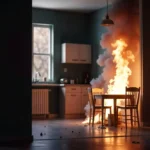
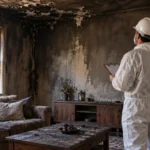
After a winter kitchen or space-heater fire in Milwaukee-area neighborhoods, damage can look different in every room. A dining table may carry surface soot, while bedroom textiles absorb smoke and basement boxes collect firefighting water. Broken windows or roof openings can also expose belongings to rain or snow.
So, what can be salvaged after a house fire? Intact hard goods, some solid-wood furniture, lightly affected clothing, and selected papers may be recoverable. Material, heat exposure, residue, and moisture determine the answer. An item does not need visible burn marks to require replacement.
Before You Sort a Single Room
- Safe access and careful documentation come before cleaning or moving belongings.
- Wait until the fire department permits entry, and follow any remaining restrictions.
- Keep away from damaged utilities, unstable surfaces, and water near electrical equipment.
- Permission to enter does not establish that appliances or belongings are ready for use.
- Once access is permitted, photograph contents in place.
- Record each item’s room, visible damage, and exposure to smoke or water.
- Separate possible recovery candidates from items awaiting a disposal decision.
- Fire damage restoration can address soot, smoke odor, contents cleaning, and water left by firefighting.
- Fire-damaged contents restoration requires an item-specific decision rather than a blanket promise that everything can be saved.
Kitchen and Dining Room: Separate Hard Goods From Food
Kitchen contents need different decisions for reusable objects and anything intended for consumption.
Dishes, cookware, and dining furniture
Intact metal cookware, glassware, and suitable glazed dishes may be salvageable after assessment and appropriate cleaning. Cracks, damaged coatings, distortion, and inaccessible residue complicate recovery.
A solid-wood dining table with limited surface damage may warrant cleaning or refinishing. Charred sections, separated layers, and weakened joints change that decision.
Pantry and refrigerator contents
- Discard food exposed to smoke fumes or firefighting chemicals.
- Cardboard and plastic wrapping do not reliably protect food from fumes.
- A closed refrigerator does not provide an airtight barrier.
- Heat can also compromise canned or jarred food.
- Appearance alone cannot establish whether exposed food is usable.
- These food-safety precautions after a fire apply even when packaging looks intact.
Living Room: Look Beyond Surface Soot
Furniture construction and the depth of exposure help distinguish cleaning candidates from likely replacements.
Solid furniture and decorative objects
Sound metal furniture and some solid-wood pieces may respond to cleaning and repair. Inspect finishes, undersides, joints, and drawers. Swollen particleboard or separating veneer presents a different problem from removable surface residue.
The effects of soot after a fire can include staining and corrosion. Avoid scrubbing an unfamiliar deposit before the material and cleaning method have been assessed.
Upholstery, cushions, and rugs
A lightly marked surface can conceal affected foam, backing, or padding. Deep smoke exposure, charring, contaminated water, or persistent internal odor may make replacement appropriate.
A valuable upholstered frame may merit evaluation for rebuilding with replacement upholstery. That differs from cleaning and reusing the original cushions.
Bedrooms: Evaluate Fabrics and Filled Items Separately
Closets, bedding, and mattresses can retain damage that a quick visual check misses.
Clothing, curtains, and washable linens
- Lightly smoke-affected textiles may be recoverable through suitable cleaning.
- Fabric type, dye stability, heat damage, and water exposure influence the method.
- Closed closet doors do not prove clothing escaped exposure.
- Smoke spreading beyond the fire room can affect nearby bedrooms and stored fabrics.
- Keep affected items separate from clean clothing.
Mattresses, pillows, and soft toys
Filled items are harder to evaluate because contamination can reach inaccessible layers. Smoke-contaminated mattresses and heavily affected pillows generally warrant replacement rather than surface deodorizing.
A dry cover does not establish that the interior is dry or adequately cleaned. Fragrance also cannot establish whether an item is suitable for reuse.
If you need help sorting smoke- and water-affected belongings, call (414) 571-9977 to discuss a room-by-room fire damage assessment before authorizing cleaning, pack-out, or disposal. Leave restricted areas undisturbed.
Home Office: Separate Devices From Irreplaceable Records
Electronics and paper collections require different recovery decisions, even when they share the same shelf.
Computers and other electronics
- Do not power on smoke- or water-affected equipment to test it.
- Internal residue, moisture, or heat damage may remain invisible outside the housing.
- An appropriate electronics specialist should assess recovery options.
- Identify important stored data separately from the device’s replacement value.
Documents, photographs, and artwork
- Wet records and photographs need prompt attention.
- Do not force stuck pages apart or apply heat to speed drying.
- Irreplaceable albums, artwork, and fragile papers may require a conservator.
- Options for repairing damaged family papers and photographs depend on the material and condition.
- Recovery may preserve information without restoring the original appearance.
Basement, Garage, and Laundry: Trace the Water
Lower-level storage can suffer water damage even when flames stay elsewhere.
Boxes, shelving, and stored belongings
- Wet cardboard can hide soaked contents and lose strength.
- Assess the objects inside separately from their packaging.
Sound metal shelving and intact hard objects may remain recovery candidates. Saturated upholstered items and swollen composite furniture require different decisions. The distinction between what to discard and what to save after water damage depends partly on material and contamination.
Firefighting water and other contamination
- Do not assume water remains clean after it passes through fire debris or contacts stored chemicals.
- If a sewer backup also occurred, keep that contamination distinct in the assessment.
Water extraction and drying address standing water and wet building materials. Water-damaged contents restoration also requires evaluating the belongings themselves.
Pack-Out and Return: Keep Recovery Decisions Organized
Moving contents should support cleaning and repairs while preserving a clear record of each item.
Inventory before items leave
- Fire damage pack-out services may move salvageable belongings out of affected rooms for cleaning or storage.
- An organized contents pack-out during major repairs uses photographs, room labels, and condition records to track belongings.
- Mark sentimental items early.
- Keep restoration candidates separate from items designated for disposal.
Return after the space is ready
Content restoration after fire should coordinate with building cleanup, drying, and repairs. Returning cleaned belongings to a damp or sooty room can expose them again. Review each item’s condition before accepting its return. A useful salvage decision accounts for remaining damage, practical cleaning limits, replacement options, and personal value.
Frequently Asked Questions
1. Can furniture be salvaged if flames never touched it?
Some sound wood and metal furniture may be recoverable after appropriate cleaning or repair.
Smoke residue, moisture, loosened joints, and damaged finishes still matter even without scorching. For upholstered furniture, the condition of the foam, padding, and frame matters as much as the visible fabric.
2. Can you keep clothes from a closed bedroom closet?
A closed door does not establish that clothing escaped smoke exposure. Lightly affected garments may respond to suitable cleaning, while burned fabric or persistent residue can limit recovery. Keep affected clothing separate from clean essentials, and consider fabric care requirements before any cleaning attempt.
3. Can a mattress be saved if its surface feels dry?
A dry surface does not reveal the condition of internal foam, fabric, or padding. Smoke contamination and firefighting water can affect those inaccessible layers, making surface cleaning inadequate. A smoke-contaminated mattress generally warrants replacement; a different odor after treatment does not establish that the original contamination was removed.
4. Are glass dishes and metal pots automatically reusable?
No. Intact hard surfaces may be cleaning candidates, but heat can crack glass, distort metal, or damage cookware coatings. Residue can also remain in seams, handles, and other difficult areas. An assessment should consider the object’s condition and intended use before it returns to food preparation.
5. Is food inside the refrigerator protected from smoke?
Not necessarily. Refrigerator seals do not create an airtight barrier against smoke fumes. Food exposed to fumes or firefighting chemicals should be discarded, even if it still looks normal. Heat exposure and a loss of refrigeration can create additional concerns, so a closed door alone cannot settle the decision.
6. Can you switch on a television or computer to check it?
- Do not power on smoke- or water-affected electronics as a test.
- Internal residue, moisture, and heat damage can remain hidden even when the housing looks unchanged.
- An appropriate electronics specialist should evaluate the equipment, with data recovery considered separately when files or photographs are irreplaceable.
7. Can wet photographs and basement records be recovered?
- Some records and photographs may be recoverable, but the material and damage determine the method.
- Avoid forcing stuck surfaces apart or using heat to accelerate drying.
- Irreplaceable albums, fragile prints, and wet documents need prompt preservation advice because a method suitable for ordinary paper may damage a photograph.
8. How does a winter fire change contents protection?
Broken windows and roof openings can expose belongings to rain, snow, and additional moisture. Emergency protection of the building and a coordinated contents plan can help limit further exposure. Packing away damp belongings without a drying plan can leave moisture trapped, even after the visible fire damage has been addressed.
9. What if basement contents also contacted sewage backup water?
That exposure changes the recovery assessment and should be recorded separately from smoke or ordinary water damage. Porous belongings can retain contamination within layers that are difficult to clean. Drying alone does not resolve contamination, and affected contents should remain separate from clean belongings while handling and disposal decisions are made.
10. How should renters and property managers coordinate pack-out?
-Keep tenant belongings, shared-area contents, and building fixtures distinct in the inventory.
-Room labels, photographs, condition notes, and agreed destinations help prevent confusion when multiple households or storage areas are affected.
-Confirm authorization for moving or discarding belongings before work begins, and record any unresolved decisions rather than treating every item alike.
Related posts:
![How-to-Protect-Valuables-from-Smoke-Damage]()
How to Protect Valuables from Smoke Damage
![What Does Fire Damage Restoration Involve? Step-by-Step Process]()
What Does Fire Damage Restoration Involve? Step-by-Step Process
![Commercial Fire Damage Restoration Restaurants Holidays]()
Restaurant Fire Recovery: Protecting Your Holiday Service
![Fire Damage Cleanup Chimney Fireplace]()
Fire Damage Cleanup After a Fireplace Fire: Beyond the Hearth
![How Long Does Fire Damage Restoration Take?]()
How Long Does Fire Damage Restoration Take?
![The Ultimate Fire Survival Guide]()
The Ultimate Fire Survival Guide
![Fire Damage Reconstruction: Before Drywall and Flooring Go Back In]()
Fire Damage Reconstruction: Before Drywall and Flooring Go Back In