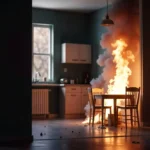
The first cold evenings bring fireplaces back into use. After a chimney or fireplace incident, however, the damage may extend far beyond the hearth. Black residue can settle upstairs. Water used to extinguish the fire can soak flooring and ceilings below. A damaged roof opening can let the next rain or snowfall inside.
In older housing stock and shared buildings, these overlapping problems make fire damage cleanup more complicated than removing burned logs. You need separate decisions about chimney condition, smoke residue, wet materials, and repairs. Addressing each problem helps you avoid covering damage that still needs attention.
Start With Access and Chimney Safety
Before cleanup begins, establish where you can enter and which systems must remain unused.
Wait for permission to enter
- If flames, active smoke, or signs of a renewed fire remain, leave and call 911.
- After suppression, wait for fire officials to permit reentry.
- Do not restore disconnected utilities yourself.
- Keep away from sagging ceilings, loose masonry, damaged wiring, and standing water near electrical components.
- Permission to enter does not automatically mean every room or system is ready for normal use.
Keep the fireplace out of service
A clean-looking firebox cannot confirm that the flu survived. Chimney fires can damage liners, mortar joints, or metal components in places you cannot see.
- Arrange a qualified chimney evaluation before reuse.
- Follow the necessary cleaning and repair recommendations.
- Post-fire chimney inspection guidance explains why looking up through the fireplace is insufficient.
Separate Creosote, Ash, and Soot Before Cleaning
These residues differ in location and behavior. Treating them as ordinary household dust can complicate recovery.
Creosote requires chimney-specific attention
Creosote forms when wood-burning byproducts collect inside the chimney. It can appear flaky, sticky, or hardened. Because it is combustible, remaining deposits require attention even after visible flames disappear.
Leave flue cleaning and damage evaluation to a qualified chimney professional. Do not light another fire to burn away deposits or test whether the chimney still draws.
Ash and soot need controlled handling
Ash around the hearth and soot on walls require different cleaning decisions. After a damaging incident, residue may also include material from burned furnishings or building finishes.
Avoid dry sweeping, ordinary household vacuuming, or scrubbing unfamiliar deposits. These actions can redistribute particles or smear staining. Keep unnecessary foot traffic out of affected rooms.
Once emergency responders permit access, call our team at (414) 571-9977 to discuss ash, soot, smoke odor, and firefighting water. At ERS Remove Water, we offer fire damage restoration and water extraction. Tell us which rooms appear affected and whether openings need temporary protection.
Follow Smoke Beyond the Fireplace Room
The darkest stain marks an obvious inspection point, but it does not define the entire cleanup area.
Check connected rooms and shared spaces
Smoke can travel through doorways, stairwells, and building openings. Residue may settle on upper shelves, trim, closets, and nearby contents.
A fire damage assessment for heating-related soot helps explain why equipment condition and property contamination need separate reviews. For residential fire damage cleanup, include connected floors and rooms. In rental or commercial properties, document the affected shared corridors and neighboring spaces.
Evaluate belongings and lingering odor
Upholstery, rugs, unfinished wood, and other porous materials can retain smoke residue. A room may look improved after wiping while odor remains elsewhere.
Similar smoke movement after a dryer fire shows why the source room cannot be the only focus. Assess exposed belongings individually before choosing cleaning or replacement. Avoid using fragrance as evidence that the underlying residue has been addressed.
Kitchen fire damage cleanup follows the same need to assess materials individually. However, cooking residues and fireplace deposits should not automatically receive identical treatments.
Treat Firefighting Water as a Separate Damage Path
Water can create a second loss inside areas that flames never reached. Its route deserves its own assessment.
Look below and behind visible wet areas
Suppression water can move through floor assemblies, around the hearth, and into ceilings below. In basement-heavy homes, lower levels may need attention even when the fireplace sits upstairs.
Document dripping, swollen trim, staining, and wet flooring from accessible areas. Do not open ceilings or remove materials yourself when structural or electrical conditions remain uncertain.
Separate extraction from structural drying
Removing standing water does not remove all moisture held inside materials. Flooring layers, insulation, framing, and masonry may remain damp after surfaces look dry.
The principles behind drying moisture retained in masonry also illustrate why appearance alone cannot determine readiness for repairs. Ask what remains wet, how drying progress will be evaluated, and whether materials require removal.
Water mixed with fire debris also needs assessment before handling. Persistent dampness can create conditions for mold, so delayed drying deserves prompt professional attention.
Build a Cleanup Scope Before Rebuilding
A useful fire damage cleanup process connects immediate protection, material assessment, cleaning, drying, and repair decisions.
Protect openings and document conditions
If the incident damaged roofing, windows, or exterior walls, address additional weather exposure. Cold-season rain and snow can wet an already damaged interior.
Use qualified help for temporary protection. Guidance on protecting fire-damaged property from rain and unauthorized entry explains why securing openings matters before permanent repairs.
When access is permitted:
- Photograph the affected rooms and belongings before disturbance.
- Note where smoke odor and water damage appear.
- Keep records of assessments and proposed work.
- Ask which areas should remain restricted.
Clarify what must happen before finishes return
Before approving paint, flooring, or drywall, ask for a scope that distinguishes cleaning, removal, drying, and repairs. Identify who will evaluate the chimney and who will address surrounding property damage.
For rented or managed buildings, clarify access arrangements and communicate restrictions to occupants. If you rent, report the incident to your property manager before authorizing building repairs.
A clear scope should explain unresolved conditions. It should not treat a less noticeable smell or a dry-looking floor as sufficient evidence to rebuild.
Plan Recovery Around the Actual Damage
Your next step should address the combination of problems present, whether the incident affected one room or several connected spaces.
At ERS Remove Water, we offer Fire Damage Restoration Services that include smoke and soot removal, firefighting-water extraction, contents cleaning, and repair and reconstruction. We also offer Water Extraction and Drying Services for affected materials.
Call (414) 571-9977 to discuss your fireplace-related fire damage cleanup. Describe visible residue, wet ceilings or floors, lingering odor, and exposed openings. Our team can discuss the restoration needs while you arrange a separate chimney evaluation before reuse.
Frequently Asked Questions
Can I use my fireplace after a small chimney fire?
Keep it unused until a qualified chimney professional evaluates it. Damage can exist inside the flue even when the hearth looks normal. Complete recommended cleaning and repairs before resuming use.
Are creosote and soot the same thing?
Creosote is combustible buildup associated with wood-burning byproducts inside the chimney.
Soot consists of fine particles produced by incomplete combustion and can spread onto interior surfaces. Both need attention, but their locations and material characteristics affect the work required.
Can I vacuum ash after the fire department leaves?
Do not treat post-incident ash and soot as routine fireplace maintenance. An ordinary household vacuum can redistribute fine residue, and the area may contain additional debris. Wait for an assessment and appropriate cleanup instructions before disturbing deposits.
Does chimney sweeping replace fire damage clean up?
Chimney sweeping addresses deposits within the chimney system. It does not address smoke residue on furnishings, wet flooring, or damaged building finishes. Your recovery may require chimney work and property restoration as separate tasks.
Why does a room upstairs smell smoky when the fire stayed downstairs?
Smoke can move through stairways, door gaps, and connected building spaces. Residue may settle on contents and surfaces far from the fireplace. Include the upstairs area in the assessment instead of assuming ventilation will resolve it.
Can firefighting water reach my basement?
Water can travel downward through floor assemblies and openings around building components. A basement may receive water even when flames never entered it. Include lower-level ceilings, stored belongings, flooring, and electrical areas in the professional assessment.
Should I turn on the furnace to dry the property?
-Do not use an affected heating system as an improvised drying method.
-Smoke exposure, electrical conditions, and equipment damage may require evaluation first.
-Ask qualified professionals when operation can resume and how wet materials should be dried.
Can I paint over soot once the wall feels dry?
A dry-feeling wall can still contain residue or concealed moisture. Painting too early can cover evidence needed to make cleaning and repair decisions. Have the surface condition and remaining moisture evaluated before applying new finishes.
What should I do if rain enters around the chimney afterward?
Report new water entry promptly and stay away from weakened ceilings or roofing. Qualified professionals should assess the opening and arrange appropriate temporary protection. New rainwater and earlier firefighting water may require separate source-control decisions.
How should I plan reopening a shared or commercial space?
-Base access decisions on assessed conditions rather than the absence of visible flames.
-Clarify affected rooms, restricted areas, utility concerns, and remaining restoration work.
-Keep occupants informed and follow the relevant professional guidance before restoring normal use.
Related posts:
![3 Tips To Help Prevent Residential Fires]()
3 Tips To Help Prevent Residential Fires
![Top-Fire-Hazards-Wisconsin-Homeowners-Overlook]()
Top Fire Hazards Wisconsin Homeowners Overlook
![The Ultimate Fire Survival Guide]()
The Ultimate Fire Survival Guide
![Restaurant Fire Recovery: Protecting Your Holiday Service]()
Restaurant Fire Recovery: Protecting Your Holiday Service
![After the Fire: A Guide to Rebuilding After Fire Damage]()
After the Fire: A Guide to Rebuilding After Fire Damage
![How-to-Protect-Valuables-from-Smoke-Damage]()
How to Protect Valuables from Smoke Damage
![Hidden-Dangers-of-Soot-After-a-Fire]()
The Hidden Dangers of Soot After a Fire